Serving Brooklyn, Queens and Long Island(929) 429-2429Open six days a weekFree estimateGuaranteed work
On Point Garage Doors
Open 24 hours Sun-Thu, Fri until 5 pm Free estimate Springs, openers, cables We come to you
Emergency?Call nowBook free estimate
New York, NY - open six days a week

Garage door slams shut or comes down too fast

Free estimateSame-day serviceCommon parts on board
  • Free estimate
  • Same-day service
  • Common parts on board
Emergency garage door repair★★★★★ 5.0 on Google · 42 reviews

Book your free estimate

Takes 30 seconds. We call you back to set a time.

Or just call (929) 429-2429 and talk it through.

Home › Garage Door Slams Shut

A garage door should come down at a steady, controlled pace and settle gently on the floor. When it slams, drops the last stretch, or comes down noticeably faster than it used to, the parts that control its weight are failing. A door that falls hard can injure someone, crush whatever is under it and damage itself, so this is a problem worth fixing quickly. Free estimate at (929) 429-2429.

By Sean Cohen, owner, On Point Garage Doors · Updated

Real jobs. Real photos.

These photos are from our own jobs, with our logo on them.

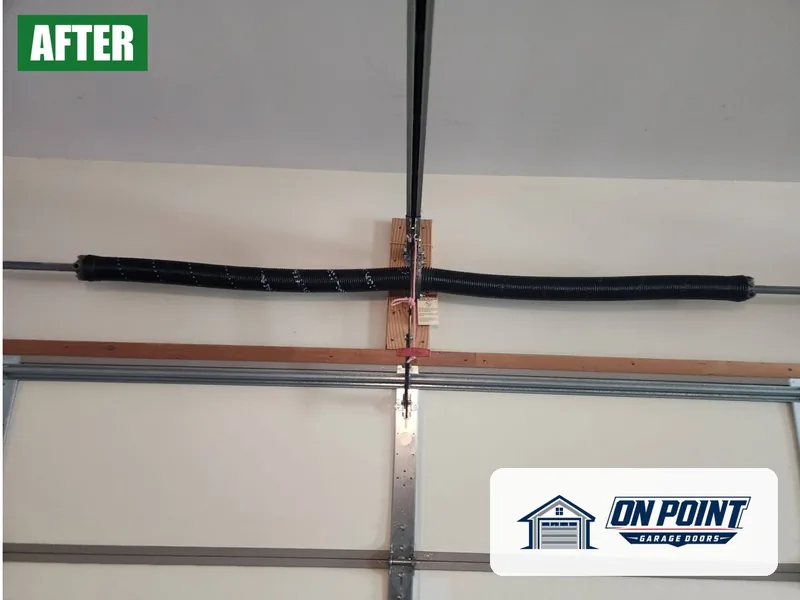
New garage door spring installed by On Point Garage Doors
Springs and cables
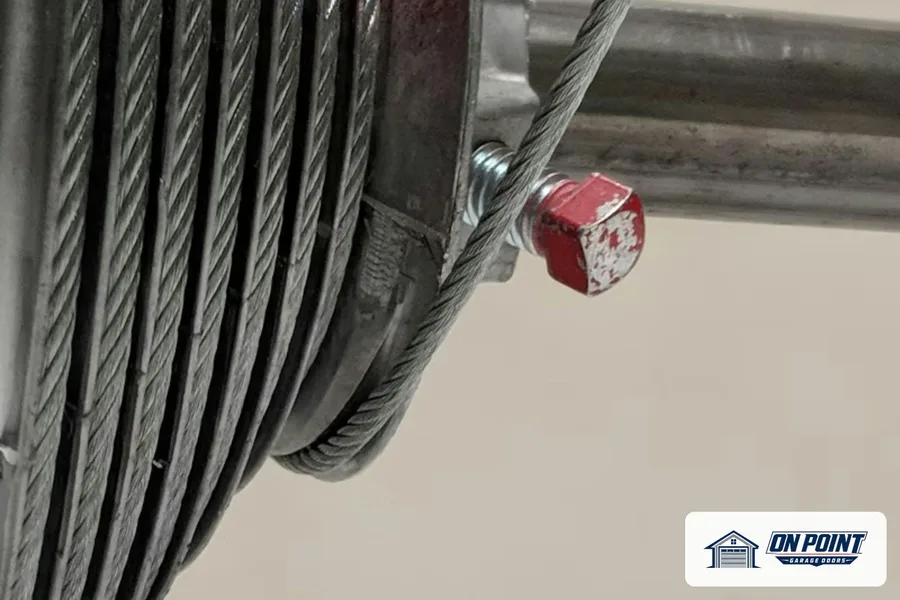
Cable drum on the spring bar, from one of our jobs
Cable drum on the spring bar
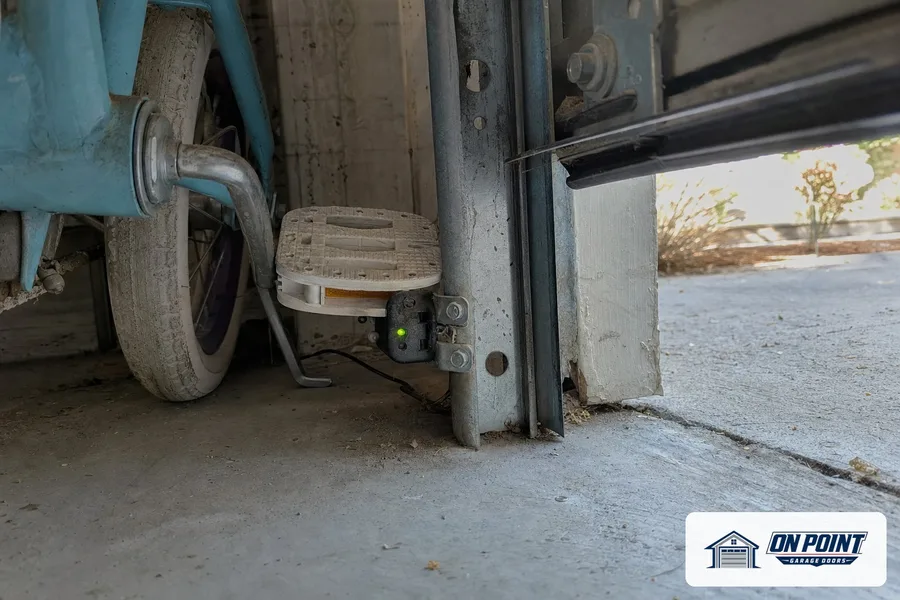
Safety sensor near the floor, from one of our jobs
Safety sensor near the floor

Why a door slams

  1. Weak springsSprings that have lost force no longer hold the door back, so it falls faster near the bottom.
  2. A broken springWith one spring gone, the door is suddenly much heavier and drops hard.
  3. Cable or drum problemsA frayed or slipping cable lets one side drop, and the door crashes unevenly.
  4. Opener settingsClose force and speed set too high, or a worn opener, can drive the door down hard.
  5. Door disconnected from the openerOn the emergency handle, a door with weak springs can fall on its own.

Why it is dangerous

A garage door can weigh as much as a small motorcycle. When the springs are healthy, that weight is balanced. When they weaken, the weight is not held back, and a falling door can seriously injure a person or a pet and crush a bike, a bin or the hood of a car.

Keep everyone clear of a door that has started slamming, and do not let children play near it until it is fixed.

Test the safety reverse

Every opener should reverse when the door touches something on the way down, and stop or reverse when the sensors see something in the opening. A door that slams is often a door whose safety settings are off or whose sensors are not working. The technician tests both on every visit, with an object in the opening.

Springs are the usual cause

Springs wear out with use. As they lose force, the door gets heavier, and it falls faster as it approaches the floor. Many owners notice the door getting louder at the bottom before a spring finally breaks. Replacing both springs, sized to the door, restores a controlled close.

Extension spring doors

Older doors with extension springs along the tracks can lose a spring or a pulley and drop hard on one side. These doors must have safety cables through the springs, so a broken spring cannot whip across the garage. We add them if they are missing.

What not to do

Do not try to adjust springs or opener force to stop the slamming, do not disconnect the opener to let the door down by hand, and do not stand under the door. If the door looks crooked or a cable looks loose, keep clear and call.

What a visit includes

The technician tests the door's balance with the opener disconnected, checks the springs, cables, drums and bearings, then checks the opener's force, speed, travel and safety sensors. Worn springs and cables are replaced, the door is balanced, the opener is set for the door's real weight, and the safety reverse is tested.

You get a clear explanation and a free estimate before any work starts.

Damage a slamming door causes

Every hard landing shocks the bottom section, the bottom seal and the hinges. Doors that slam for months often end up with a cracked bottom section, a torn seal and loose track brackets. Those are checked and fixed so the door seals and runs properly again.

Quiet, soft closing

Many newer openers start and stop softly, slowing the door before it reaches the floor. Combined with balanced springs and sealed rollers, that gives a smooth, quiet close that is easier on the door and the house.

Preventing it

A yearly tune-up checks the springs' force, the cables and the opener settings before anything fails. If your door starts to sound louder when it closes, or seems to speed up near the bottom, call before it turns into a slam.

Doors that slam only in the cold

Some doors close normally in summer and slam in winter. Cold makes tired springs weaker and stiffens the bottom seal, so the last stretch of travel feels different. That pattern is a warning that the springs are near the end, and it is the right time to replace them before one breaks.

Bottom seal and floor

A torn or flattened bottom seal no longer cushions the landing, so even a balanced door can sound like it slams. A new seal softens the close, keeps water and leaves out, and protects the bottom section. On uneven floors, a taller seal closes the gap at the low corner.

Children and garage doors

Children are often fascinated by the garage door and the button that moves it. Mount wall controls high enough that small children cannot reach them, keep remotes out of play, and teach kids never to run under a moving door. A door that slams is one more reason to fix the springs before someone gets hurt.

Questions we get asked

Why does my garage door slam shut?

Usually weak or broken springs, a cable problem, or opener force and speed set too high.

Is a slamming garage door dangerous?

Yes. A heavy door falling hard can injure people and pets and crush whatever is under it.

Can opener settings make the door close too fast?

Yes, but the springs are checked first, because adjusting the opener to hide weak springs is unsafe.

Should the door reverse if something is under it?

Yes. Every opener should reverse on contact and when the sensors are blocked. We test it on every visit.

Is the estimate free?

Yes. You see the cause and the fix before any work starts.

Booking takes a minute

Across Brooklyn, Queens and Long Island, tell us what the door is doing and we set a visit that fits your day.

Free estimate, call (929) 429-2429.

Door coming down too hard? Keep clear and call

Tell us what the door is doing and we will give you an honest arrival time. The estimate is free.

Easier to explain by phone? Call (929) 429-2429.

Two minutes to a free estimate

Tell us what the door is doing. The estimate is free either way.

Or just call (929) 429-2429 and talk it through.

The other six things that go wrong