Serving Brooklyn, Queens and Long Island(929) 429-2429Open six days a weekFree estimateGuaranteed work
On Point Garage Doors
Open 24 hours Sun-Thu, Fri until 5 pm Free estimate Springs, openers, cables We come to you
Emergency?Call nowBook free estimate
New York, NY - open six days a week

Garage door opens slowly: what is slowing it down

Free estimateSame-day serviceCommon parts on board
  • Free estimate
  • Same-day service
  • Common parts on board
Emergency garage door repair★★★★★ 5.0 on Google · 42 reviews

Book your free estimate

Takes 30 seconds. We call you back to set a time.

Or just call (929) 429-2429 and talk it through.

Home › Garage Door Opens Slowly

A garage door that takes longer to open than it used to is easy to ignore. It still works, after all. But a door that slows down is almost always working harder than it should, and that extra strain lands on the opener, the springs or both. Sometimes the cause is harmless, like a soft-start feature on a newer opener. More often it is a part wearing out. This page explains what slows a door down, which causes need attention soon, and what we look at on a visit. Free estimate at (929) 429-2429.

By Sean Cohen, owner, On Point Garage Doors · Updated

Real jobs. Real photos.

These photos are from our own jobs, with our logo on them.

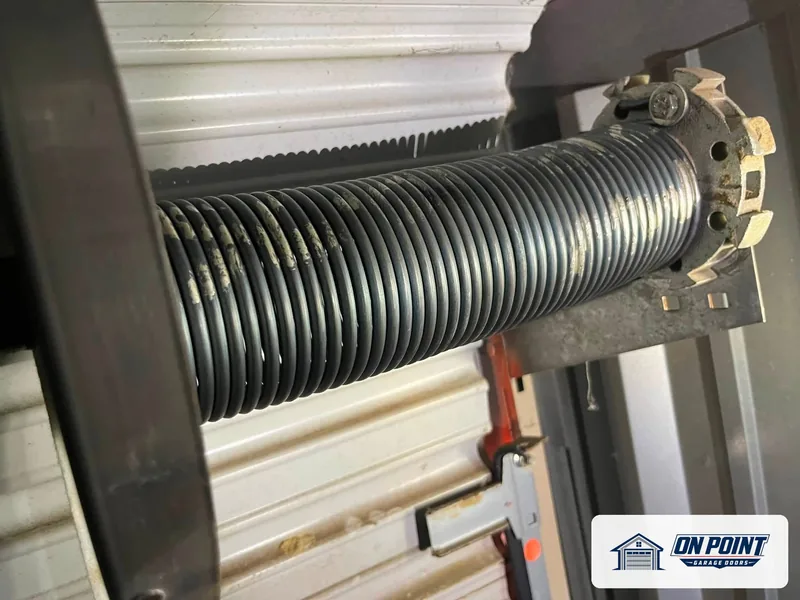
Close-up of a door spring and its end bracket, an On Point Garage Doors job
Torsion spring and cable drum
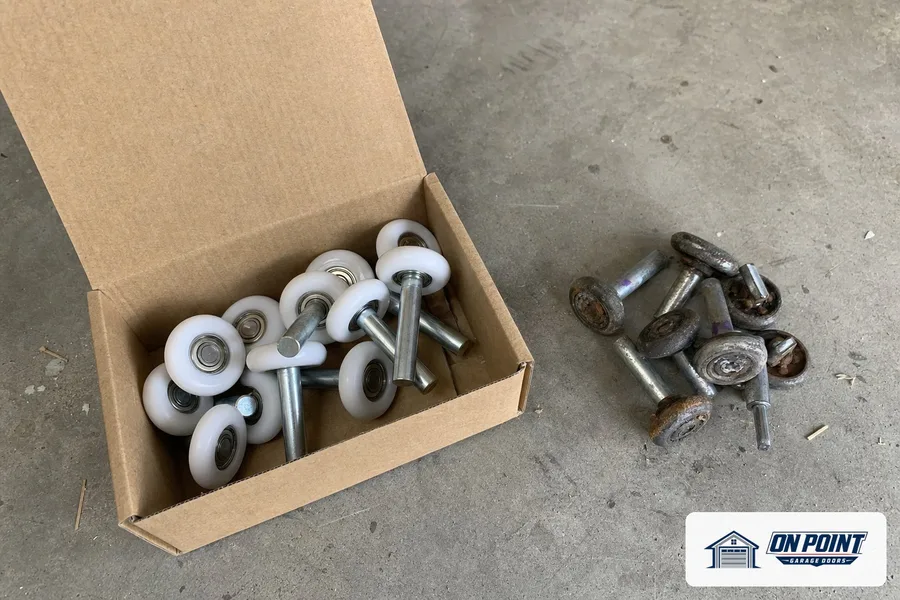
New and worn rollers, from one of our jobs
New and worn rollers
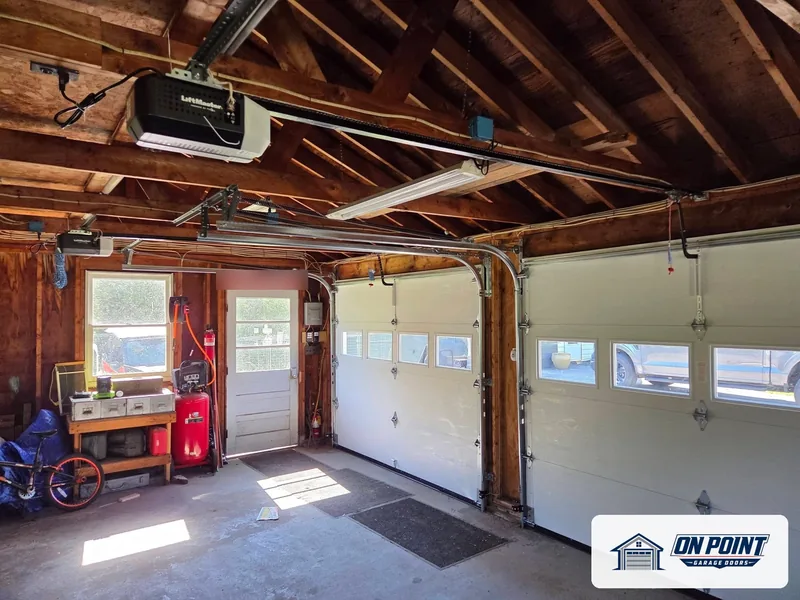
Garage door opener on the ceiling above two new doors, an On Point Garage Doors job
Opener motor and rail

First, is it normal?

Many newer openers start and stop gently on purpose. They ease the door off the floor, run at full speed in the middle and slow down near the top and the bottom. Some also run slower when closing than opening, for safety. If the door has always moved this way, nothing is wrong. If it has changed, read on.

Springs losing their strength

Springs do the real lifting. As they age, they lose tension, and the door feels heavier. The opener then has to pull more of the weight itself and slows down doing it. A door that slows over months, with no other change, often has tired springs. Our page on how long springs last explains what to expect.

Worn rollers and dry bearings

Rollers with worn or seized bearings drag in the tracks instead of rolling. You may hear a grinding or squealing noise along with the slower movement. Basic nylon or steel rollers wear faster than sealed ones. New rollers often make a door noticeably quicker and quieter.

Tracks that pinch the door

If a track has been bumped, has shifted on its brackets or was never set quite right, the rollers bind as they pass through the tight spot. The door may slow down at one point in its travel, every time. That pattern is a strong clue that the track needs attention.

Cold weather

Grease thickens in the cold, rubber seals stiffen and can stick to the floor, and some openers run slower at low temperatures. A door that only slows down on cold mornings is often fine in other seasons, but the cold also shows up which parts are already worn. Our page on winter garage door problems covers cold-weather trouble.

A tired opener

Openers wear too. A drive gear starting to strip, a chain or belt that has stretched, or a motor near the end of its life can all slow the door. If the door is balanced and moves freely when disconnected, but the opener still struggles, the problem is in the opener.

Speed settings and force settings

Some openers have speed or force settings. After a power outage or a reset, these may go back to slow defaults. Force settings set too low can also make an opener give up and reverse partway. These are adjustments for a technician, because setting the force too high can make the door dangerous.

Why slow is worth checking

How we find the cause

The technician watches the door run with the opener, then disconnects the opener and checks the balance. A door that drifts down or feels heavy points to the springs. A door that is balanced but moves roughly points to the rollers and tracks. A door that is fine on its own points to the opener. That simple test usually shows where the problem is.

Seals and stops that drag

A bottom seal that has frozen to the floor, or side and top stops nailed too tight against the door, can hold it back at the start of every trip. The opener strains to break the door free, then runs normally once it is moving. A door that hesitates at the floor and then speeds up often has a seal or a stop that needs attention, not a failing motor.

Older doors and heavier doors

A door that has been painted many times, had insulation added, or had glass put in may weigh more than the springs were set for. Each change adds a little weight, and together they can slow a door that was once fast. Matching new springs to the real weight of the door usually brings the speed back.

A slow door with a new noise

When slowness comes with a new sound, the sound often tells us where to look. Grinding points to rollers or bearings, a loud click or slap points to the chain or belt, and a hum points to the opener's gear or motor. Our page on garage door noises goes through the common sounds.

What a visit includes

The technician checks the springs, cables, rollers, tracks and opener, explains what is slowing the door, and shows you the worn parts. You get a free estimate before any work starts.

Questions we get asked

Why is my garage door opening slower than usual?

Usually weak springs, worn rollers, a binding track or a tired opener. Cold weather can also slow it.

Is it normal for a new opener to start slowly?

Yes. Many newer openers ease the door into motion and slow it near the top and bottom on purpose.

Can I keep using a slow garage door?

Usually, but have it checked soon. A slow door often means a part is close to failing.

Will new rollers make my door faster?

If worn rollers are dragging, yes. New sealed rollers often make the door quicker and quieter.

Is the estimate free?

Yes. We find the cause before any work starts.

Booking takes a minute

Across Brooklyn, Queens and Long Island, tell us what the door is doing and we set a visit that fits your day.

Free estimate, call (929) 429-2429.

Door crawling up? We will find out why

Tell us what the door is doing and we will give you an honest arrival time. The estimate is free.

Easier to explain by phone? Call (929) 429-2429.

Two minutes to a free estimate

Tell us what the door is doing. The estimate is free either way.

Or just call (929) 429-2429 and talk it through.

The other six things that go wrong