Serving Brooklyn, Queens and Long Island(929) 429-2429Open six days a weekFree estimateGuaranteed work
On Point Garage Doors
Open 24 hours Sun-Thu, Fri until 5 pm Free estimate Springs, openers, cables We come to you
Emergency?Call nowBook free estimate
New York, NY - open six days a week

Light coming in around your garage door

Free estimateSame-day serviceCommon parts on board
  • Free estimate
  • Same-day service
  • Common parts on board
Emergency garage door repair★★★★★ 5.0 on Google · 42 reviews

Book your free estimate

Takes 30 seconds. We call you back to set a time.

Or just call (929) 429-2429 and talk it through.

Home › Light Coming In Around the Garage Door

Stand in a dark garage on a sunny afternoon and the door will show you its weak spots. A thin line of light along the bottom, a bright strip down one side, or a glow along the top all mean the door is not sealing where it should. Light that gets in means cold air, rain, dust and insects can get in too. The pattern of the light is a useful clue to what has gone wrong. Free estimate at (929) 429-2429.

By Sean Cohen, owner, On Point Garage Doors · Updated

Real jobs. Real photos.

These photos are from our own jobs, with our logo on them.

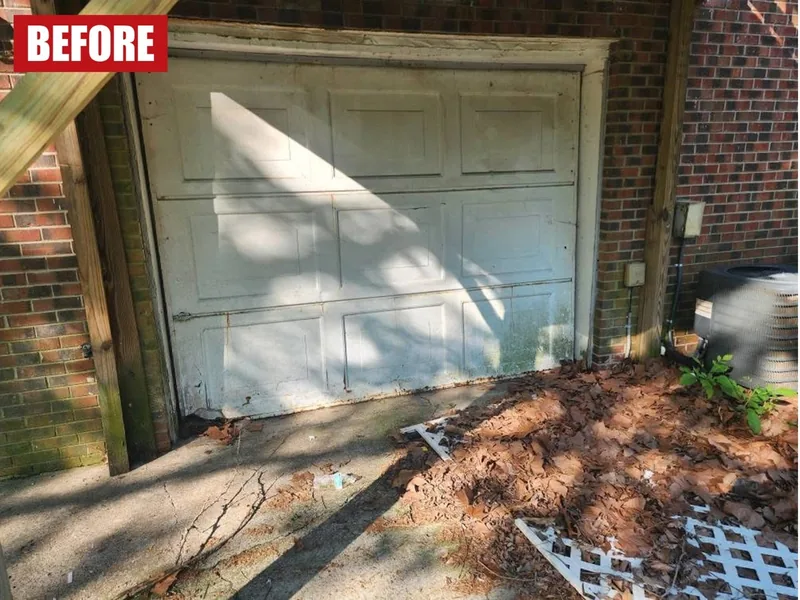
Old worn garage door before On Point Garage Doors replaced it
Bottom of a worn door
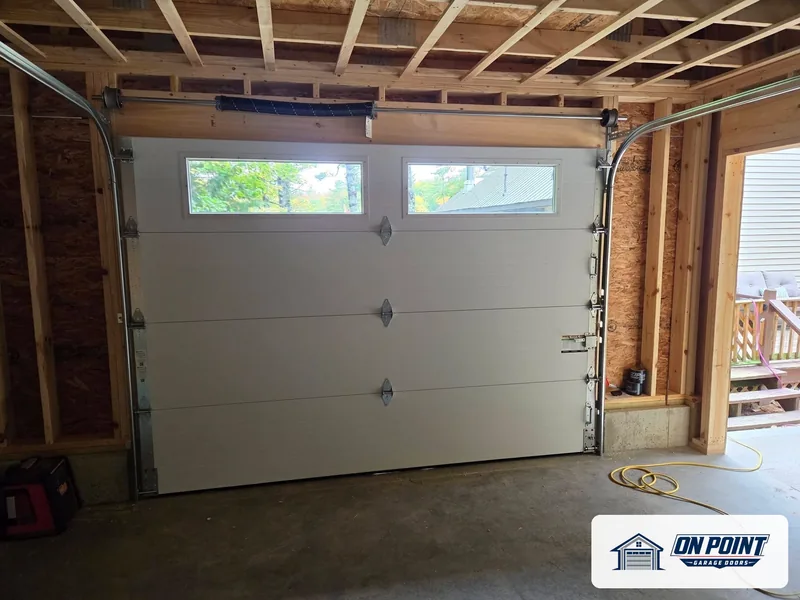
Garage door tracks and rollers seen from inside the garage, an On Point Garage Doors job
Roller in the track
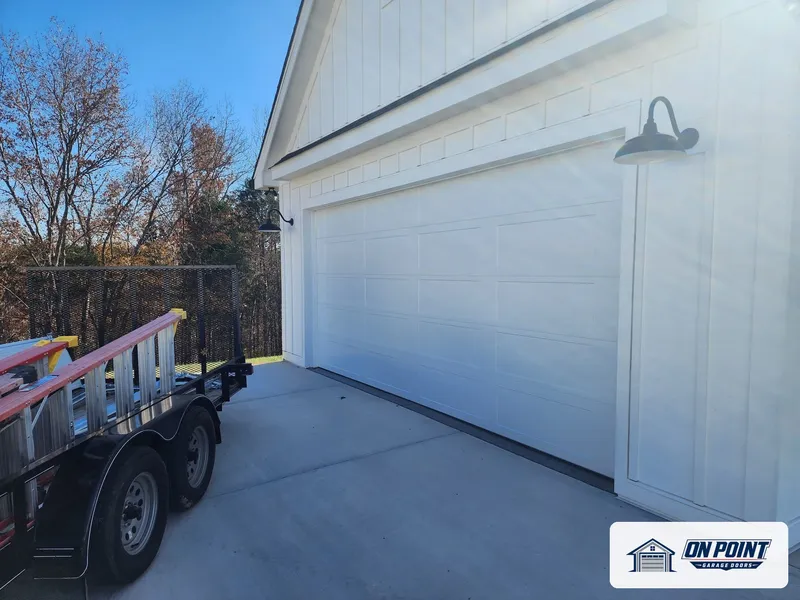
Door closed and sealed, from one of our jobs
Door closed and sealed

Reading the light

  1. Even line along the bottomThe bottom rubber has worn, flattened or torn.
  2. Triangle at one bottom cornerThe door is sitting crooked, or the floor dips on that side.
  3. Strip down one sideThe side seal has pulled away, or the track has shifted outward.
  4. Glow along the topThe top seal is missing or the door is not closing up against the header.
  5. Light between sectionsA section is warped or a hinge has worn so the joints no longer close.

Worn bottom rubber

The bottom seal does the hardest job on the door. It gets crushed every time the door closes, freezes to the slab in winter, bakes in summer and gets chewed by salt and grit. Over the years it hardens, cracks and stops filling the gap. An even line of light all the way across is the classic sign.

A new bottom seal in the right shape for your door's retainer usually closes that gap. If the aluminum retainer itself is bent or rusted, it is replaced along with the rubber.

A door that sits crooked

If light shows as a wedge at one corner, the door may not be level. A cable that has stretched or slipped, a spring that is weaker on one side, or a track that has moved can leave one side of the door higher than the other. Sometimes the door is fine and the floor has settled or cracked at one side.

We check the cables, springs and tracks first. If the slab is the cause, a thicker seal on that side or a threshold at the floor can close the gap.

Side and top gaps

The stop molding around the opening holds a soft seal that presses against the face of the door. When that molding warps, splits or pulls away from the jamb, light shows down the side. Along the top, a header seal stops drafts where the door meets the frame.

Replacing the stop molding with a weather-resistant vinyl type, set to the right distance from the door, seals the sides and top and holds up much longer than bare wood.

Light between the sections

When daylight shows through the joints between sections, the door itself is the problem. Worn hinges let the sections sag apart, and a section hit by a car or bowed by the wind may no longer meet its neighbor. Older doors without weather strips between sections can leak light even when everything is in good shape.

Bent sections can often be replaced one at a time. On an old, uninsulated door, a new insulated door with sealed joints is often the better long-term answer.

A frame that has shifted

In older garages, the wooden jambs and header around the opening can rot at the bottom, bow or lean over time. When the frame moves, no seal can keep up. That is common on detached garages behind older houses and on garages where water sits against the jambs.

We rebuild soft jambs, or swap them for new ones, and set the opening square again before new seals go on.

Why it matters beyond the light

When light shows after a repair or a new opener

If light appeared right after other work on the door, the opener's travel setting may stop the door just short of the floor, or the door may have been adjusted without the seals being set. A properly set opener closes the door firmly onto the bottom seal without forcing it. We check the travel and force settings along with the seals.

Seals near the water

Homes near the bay, the beaches and the canals see faster wear on seals and retainers. Salt makes rubber brittle and eats the aluminum that holds it. Heavier seals and corrosion-resistant retainers last longer in those spots, and a yearly look at them prevents water damage at the bottom of the door.

What a visit includes

The technician closes the door, looks for light and drafts from the inside, checks the bottom seal, retainer, side and top seals and stop molding, then checks the door's level, cables, springs and track alignment. You get a clear explanation of what is causing the leak and a free estimate before any work starts.

Questions we get asked

Why can I see light under my closed garage door?

Usually the bottom seal has worn, cracked or flattened. A crooked door or an uneven floor can also leave a gap.

Is light around the sides of the door a problem?

It means the side seals or stop molding are worn or pulled away, so drafts, water and pests can get in.

Why is there light at only one corner?

The door may be sitting crooked from a cable or spring issue, or the floor may have settled on that side.

Can a new opener cause a gap under the door?

Yes, if the travel setting stops the door short of the floor. The setting can be adjusted so the door seals.

Is the estimate free?

Yes. You see what is causing the gap and the options before any work starts.

Booking takes a minute

Across Brooklyn, Queens and Long Island, tell us what the door is doing and we set a visit that fits your day.

Free estimate, call (929) 429-2429.

Not sure what is wrong? We will come and look

Tell us what the door is doing and we will give you an honest arrival time. The estimate is free.

Easier to explain by phone? Call (929) 429-2429.

Two minutes to a free estimate

Tell us what the door is doing. The estimate is free either way.

Or just call (929) 429-2429 and talk it through.

The other six things that go wrong