Serving Brooklyn, Queens and Long Island(929) 429-2429Open six days a weekFree estimateGuaranteed work
On Point Garage Doors
Open 24 hours Sun-Thu, Fri until 5 pm Free estimate Springs, openers, cables We come to you
Emergency?Call nowBook free estimate
New York, NY - open six days a week

Garage door glass options

Free estimateSame-day serviceCommon parts on board
  • Free estimate
  • Same-day service
  • Common parts on board
Emergency garage door repair★★★★★ 5.0 on Google · 42 reviews

Book your free estimate

Takes 30 seconds. We call you back to set a time.

Or just call (929) 429-2429 and talk it through.

Home › Garage Door Glass Options

Once you decide a garage door should have windows, the next choice is what goes in them. The glass decides how much light comes in, how much of the garage people can see, how the door handles cold and sun, and what happens when a ball hits it. Several kinds are offered on most residential and commercial doors, and some can be changed later in a door that already has windows. This page goes through the options one by one and the tradeoffs behind each. Free estimate at (929) 429-2429.

By Sean Cohen, owner, On Point Garage Doors · Updated

Real jobs. Real photos.

These photos are from our own jobs, with our logo on them.

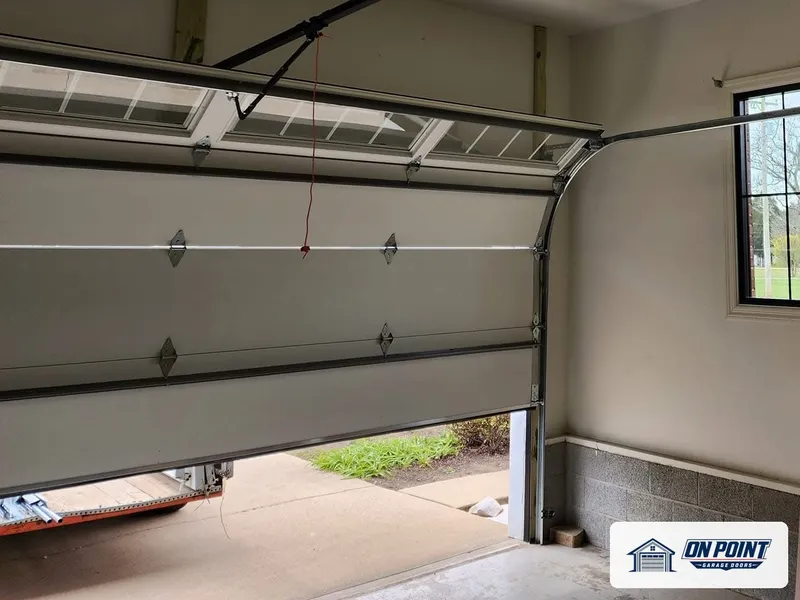
Window row on a door, seen from inside, from one of our jobs
Window row on a door, seen from inside
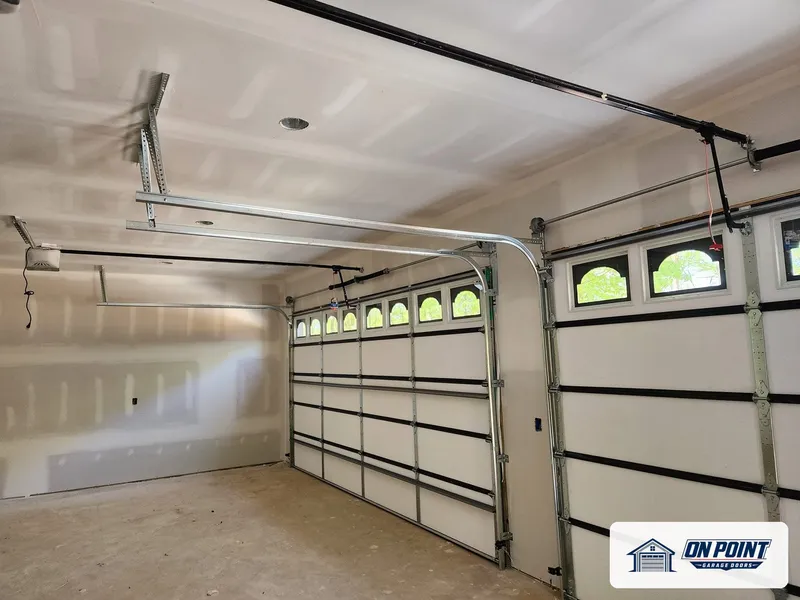
Daylight through a door with windows, from one of our jobs
Daylight through a door with windows
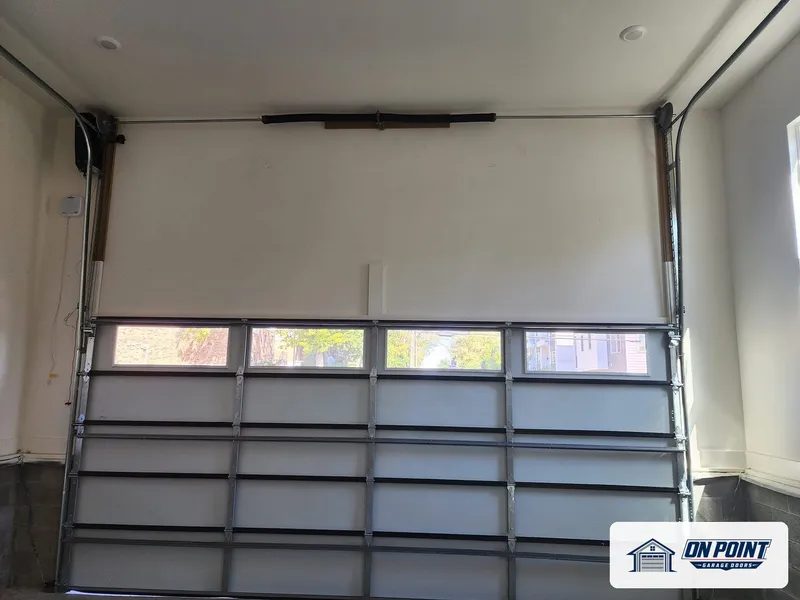
A row of glass from inside the garage, from one of our jobs
A row of glass from inside the garage

What the glass has to do

A garage door window is asked to do more than a house window. It moves every time the door moves, it hangs upside down over the garage when the door is open, it gets bumped by bikes and balls, and it may face a busy sidewalk. So the choice is a balance of light, privacy, safety, insulation and weight, and the right answer for a door facing a quiet backyard differs from one facing the street.

Clear glass

Clear glass gives the most light and an open view both ways. It suits doors that face a private yard, garages used as workshops, and houses where the garage door is a design feature. The downside is plain: people outside can see the car, tools and bikes, and at night a lit garage is on display. On a street-facing door, clear glass is usually kept in the top section, above eye level.

Frosted and satin glass

Frosted glass has a smooth milky surface that lets light through while blurring everything behind it. It is a popular choice for street-facing doors and for garages that double as a gym or workshop. One thing surprises people: at night, with the garage lights on and dark outside, shapes moving close to frosted glass can still show as shadows. Frosted glass gives privacy, not a solid wall.

Obscure and textured patterns

Obscure glass has a pattern pressed into it, such as seeded bubbles, fine ripples, a rain texture or a stippled surface. It scatters the view like frosted glass but adds sparkle and character, which suits traditional and carriage style doors. Some patterns hide more than others, so it helps to look at a sample from a few steps back, the way a passer-by would.

Tinted and reflective glass

Gray and bronze tints cut glare and some heat on a door that faces strong sun, and they look at home on modern doors with dark frames. Reflective glass acts like a one-way mirror during the day, but the effect reverses after dark when the inside is brighter than the street. Neither should be counted on as the only privacy measure for a garage full of valuables.

Insulated glass

Insulated windows have two panes with a sealed space between them. They lose less heat than a single pane and are less likely to fog or drip with condensation in winter. They make sense on insulated doors, attached garages and anywhere a room sits next to or above the garage. They are heavier than single panes, and if the seal fails, fog can form between the panes where it cannot be reached.

Tempered and laminated safety glass

Tempered glass is heat-treated so that it breaks into small blunt pieces instead of long shards. Laminated glass has a plastic layer inside that holds the pieces together when it cracks, which also makes it harder to break through. Full-view doors and low windows that people walk past are where safety glass matters most. Which glass a particular door requires is set by its maker and the rules that apply where you live, so we confirm it for your door.

Acrylic and polycarbonate

Many residential window kits use clear plastic instead of glass. It is lighter and much harder to shatter, which suits a door that takes knocks from children and sports. Plastic scratches more easily, can haze or yellow in strong sun over time and should be cared for with soft cloths and mild products only. For a busy family garage it is often the sensible pick.

Weight and the springs

Glass is heavy, and changing the glazing on a door changes its weight. Going from plastic to glass, adding a second pane or replacing solid sections with windowed ones can leave the springs too weak for the door. The door then drifts down, feels heavy and works the opener harder. When we change glazing, we check the balance and adjust or change the springs where needed.

Changing the glass in an existing door

On many doors the windows sit in a removable frame or insert, and the glass or plastic inside it can be replaced with a different type. On others the glazing is built into the section, and a new section is the only clean way to change it. A cracked pane, a fogged insulated unit or a wish for more privacy can often be handled without a new door, once we know the maker and the window design.

Matching glass across the door

When only one window is replaced, a slightly different shade or texture can stand out from the street. Clear glass and plastic also look different side by side. If the door is older, it may be better to change the whole row so it looks even. We bring the closest match available and tell you honestly if one window will look different.

What the visit covers

We look at the door, the windows and the springs, check the balance, and go through clear, frosted, textured, tinted and insulated options with samples where possible. The written estimate covers the glazing and any spring work it calls for, before anything is ordered.

Questions we get asked

What is the most private glass for a garage door?

Frosted or a heavily textured obscure glass. Both let light in while blurring the view, though shapes close to the glass can show at night when the garage is lit.

Is garage door glass tempered?

It depends on the door. Full-view doors and many low windows use tempered or laminated safety glass. Many residential window kits use clear plastic instead of glass.

Can I change clear windows to frosted ones?

Often, yes. On many doors the glazing sits in a removable insert and can be swapped. On others the section itself has to be replaced.

Do insulated windows make a difference?

Yes, on an insulated door or an attached garage. Two panes lose less heat and fog less than one. They also add weight, so the springs are checked.

Is the estimate free?

Yes. We look at the door and windows and write up the glass options before anything is changed.

Booking takes a minute

Across Brooklyn, Queens and Long Island, tell us what the door is doing and we set a visit that fits your day.

Free estimate, call (929) 429-2429.

Choosing glass or changing it? Tell us about the door

Tell us what the door is doing and we will give you an honest arrival time. The estimate is free.

Easier to explain by phone? Call (929) 429-2429.

Two minutes to a free estimate

Tell us what the door is doing. The estimate is free either way.

Or just call (929) 429-2429 and talk it through.

The other six things that go wrong