Serving Brooklyn, Queens and Long Island(929) 429-2429Open six days a weekFree estimateGuaranteed work
On Point Garage Doors
Open 24 hours Sun-Thu, Fri until 5 pm Free estimate Springs, openers, cables We come to you
Emergency?Call nowBook free estimate
New York, NY - open six days a week

CHI vs Clopay garage doors

Free estimateSame-day serviceCommon parts on board
  • Free estimate
  • Same-day service
  • Common parts on board
Emergency garage door repair★★★★★ 5.0 on Google · 42 reviews

Book your free estimate

Takes 30 seconds. We call you back to set a time.

Or just call (929) 429-2429 and talk it through.

Home › CHI vs Clopay

CHI and Clopay turn up on a lot of the same shortlists, and from the curb a raised panel door from one can pass for a raised panel door from the other. The differences are in how each company sells, how its lines are put together and what happens years later when you need a spring or a section. This page compares the two on those points, so you can walk into an estimate knowing which questions matter for your house and which are only brochure talk. Free estimate at (929) 429-2429.

By Sean Cohen, owner, On Point Garage Doors · Updated

Real jobs. Real photos.

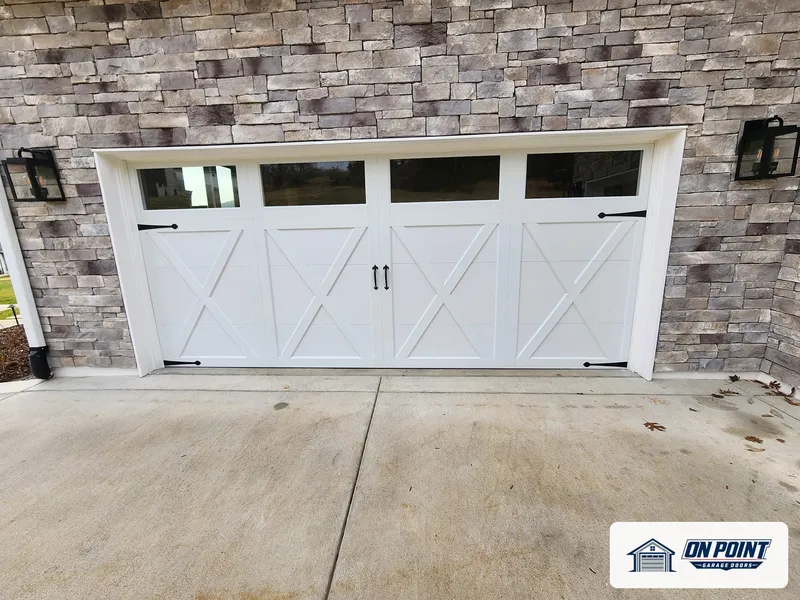
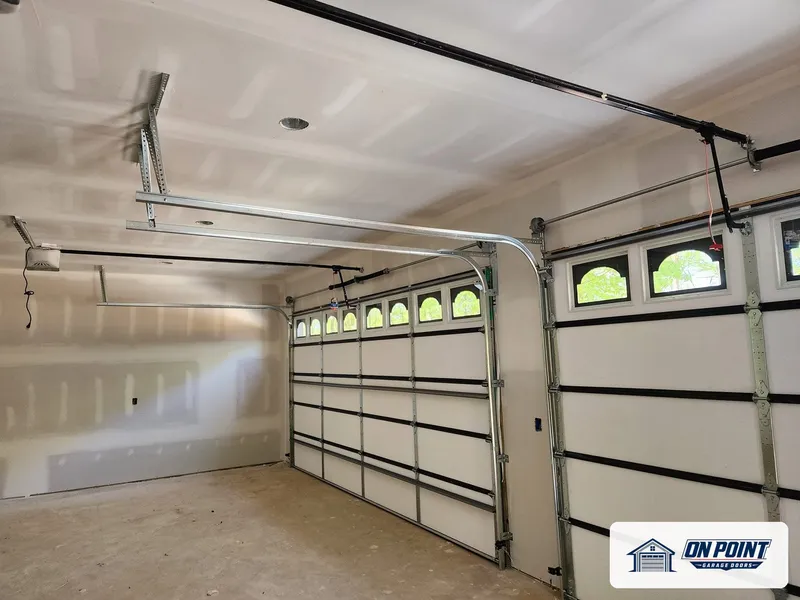
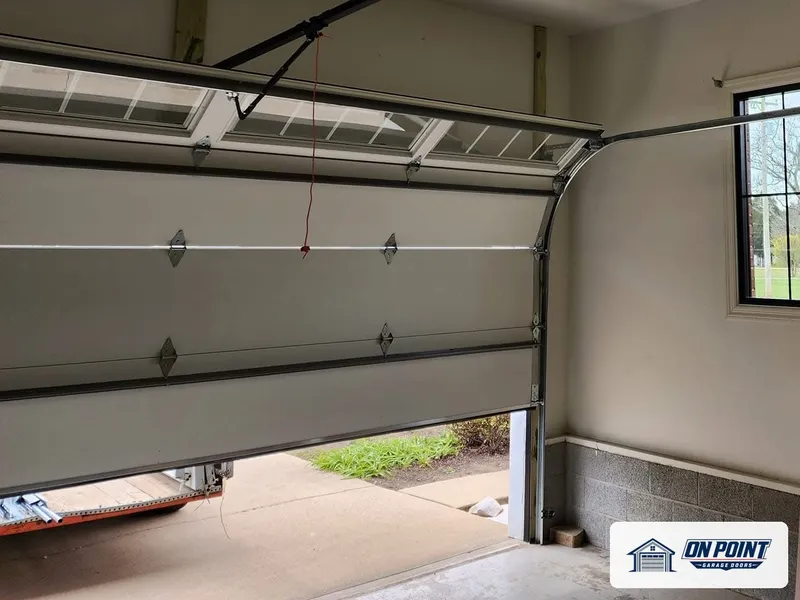
These photos are from our own jobs, with our logo on them.

Carriage-style door with windows, from one of our jobs
Carriage-style door with windows
Arched windows seen from inside, from one of our jobs
Arched windows seen from inside
Window section on its way up the track, from one of our jobs
Window section on its way up the track

Two companies, two routes to your driveway

C.H.I. Overhead Doors comes out of Arthur, Illinois, and is now part of the steel company Nucor. It sells through garage door dealers, so a CHI door nearly always arrives with the installer who ordered it.

Clopay, based in Ohio, sells through dealers too, and it also has a large presence in home improvement stores. That is why the Clopay name is the more familiar one to people who have never shopped for a door before.

Why the sales route matters later

A dealer-ordered door is usually built to a measured opening, with track, springs and hardware chosen for that garage. A door picked up off a store floor comes in common sizes with a standard hardware kit, which can be perfectly fine for an ordinary opening and awkward for a short header or an odd width. With either brand, ask who did the measuring and who picked the springs.

How the lines are organized

Clopay gives its families names you will hear often: Classic for traditional panels, Gallery for a stamped carriage look, Coachman for carriage doors with overlays, Canyon Ridge for wood looks and Avante for aluminum and glass.

CHI tends to sort its range by look and by model series: raised panels, stamped and overlay carriage doors, planks, smooth contemporary faces and full-view aluminum. Two CHI doors that share a face can be very different doors underneath, so read the series on the order and not only the picture.

What is inside the sections

Both makers build single-skin doors, doors with a polystyrene board behind the steel, and sandwich doors filled with polyurethane foam. Clopay calls its foam Intellicore. Compare like with like. A foam-filled door from either brand will feel stiffer and sound duller when you knock on it than a single skin from the other, and that tells you about the construction, not about the badge on it.

Faces, grain and color

Printed woodtone finishes are where shoppers most often fall for one brand over the other. Each company has its own browns, its own grain pattern and its own idea of what a dark walnut looks like, and screens flatten all of it. Hold real samples against your brick, siding and front door in daylight. The same goes for white and almond, which differ between makers more than people expect once the door sits beside existing trim.

Window layouts

Both offer plain glass, divided grilles, arched tops and long narrow lites. The catch is that window shapes are tied to panel shapes, so a layout you liked on one brand may have no twin on the other. If the windows are the reason you want a new door, choose them first and let them decide the maker.

Springs and the spring systems

A dealer-installed door from either company normally hangs on standard torsion springs above the opening, the kind any garage door technician can match by measuring. Some Clopay doors, often those sold for home installation, use the company's EZ-SET spring system with its own fittings at the ends. It works, but the parts differ, so mention it when you call about a broken spring if you can see that name on a label.

When a section gets hit

This is the test that separates brands in real life. A replacement section has to match in height, panel stamp, texture and edge profile, and neither maker's sections drop into the other's door. If the line is still made, a single section can usually be ordered. If it was retired, the honest answer may be several sections or a whole door. Keep the paperwork or photograph the sticker on the inside of the door, because it shortens that search a great deal.

Openings that push you one way

How to read two proposals

Put the two sheets side by side and look past the model names. Check that the steel construction is the same, that the insulation is the same type, that both list new track and springs sized to the door, and that both say what happens to the old door and the opener. When one proposal looks much lighter than the other, the difference is usually in those lines rather than in the brand.

Where we come down

Neither brand is the wrong answer. Lean toward CHI when a particular plank, woodtone or series fits the house and you are happy ordering through a dealer. Lean toward Clopay when one of its named lines has the exact look you want or when you are matching a Clopay door that is already there. We measure, show you what suits the opening from both, and write it down before anything is ordered.

Questions we get asked

Is CHI better than Clopay?

Not across the board. Construction, fit and spring sizing decide how a door behaves, and both companies make thin doors and very solid ones. Compare the same build from each.

Can a CHI section go into a Clopay door?

No. The stamping, the section edges and often the heights differ. A damaged section has to come from the maker and the line the door was built in.

How can I tell whether my door is CHI or Clopay?

Look inside the garage for a sticker or stamp on the end stiles, the top section or the spring tag. A photo of it and of the panel face is usually enough to identify the door.

Will my opener work with either brand?

In most cases, yes. An opener cares about weight, height and balance, not the maker. It may need a new bracket or an adjustment when the door changes.

Do you give a free estimate on both?

Yes. One visit covers the measuring and a written estimate, and you can compare a CHI option with a Clopay option before you decide.

Booking takes a minute

Across Brooklyn, Queens and Long Island, tell us what the door is doing and we set a visit that fits your day.

Free estimate, call (929) 429-2429.

Torn between two brochures? We will measure the opening first

Tell us what the door is doing and we will give you an honest arrival time. The estimate is free.

Easier to explain by phone? Call (929) 429-2429.

Two minutes to a free estimate

Tell us what the door is doing. The estimate is free either way.

Or just call (929) 429-2429 and talk it through.

The other six things that go wrong