Takes 30 seconds. We call you back to set a time.
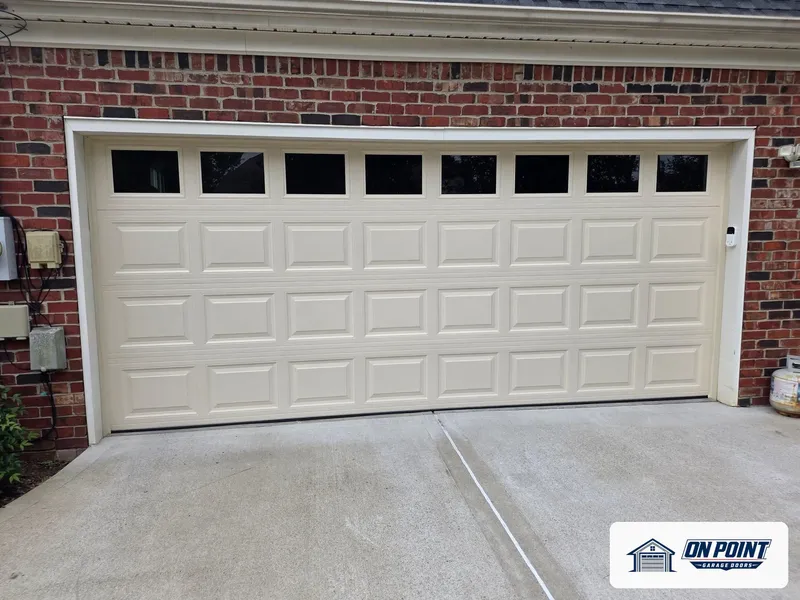
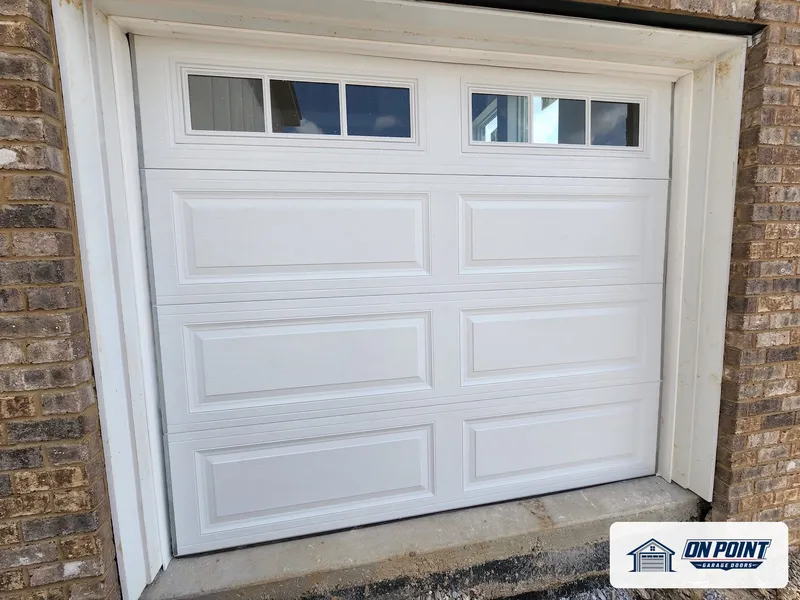
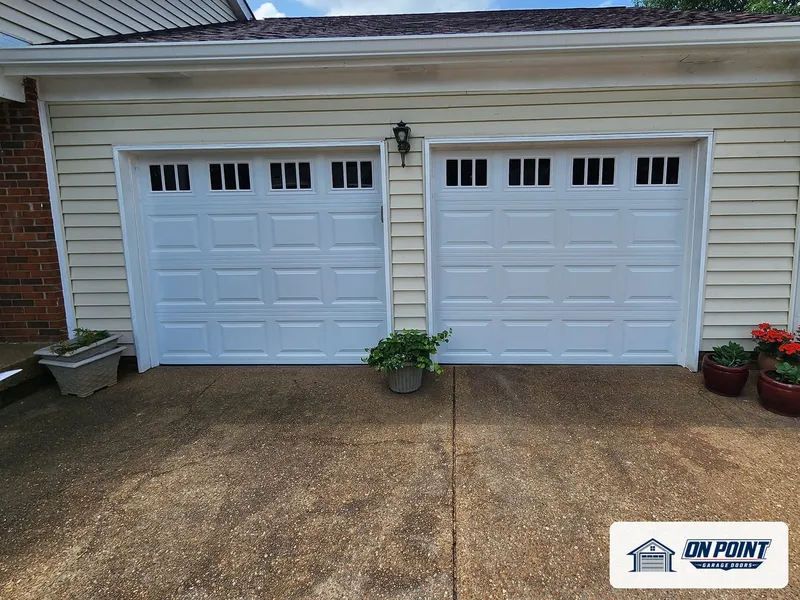
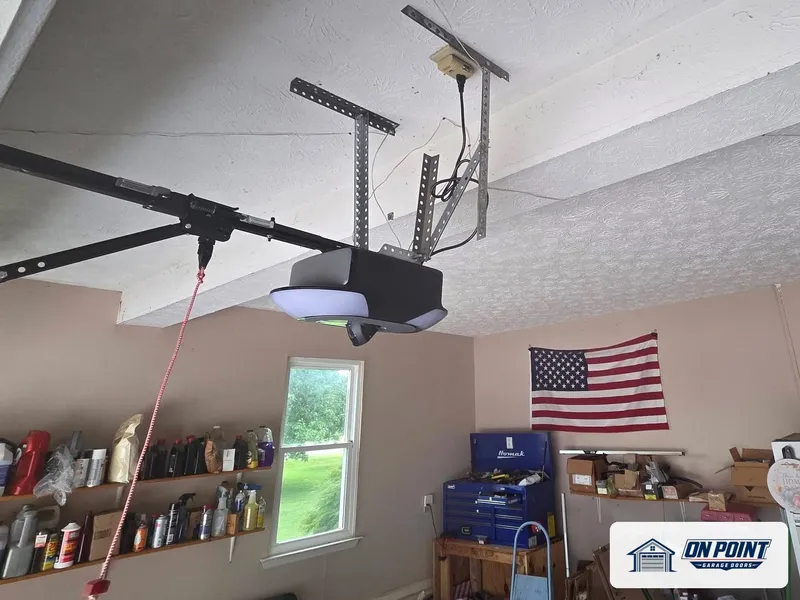
These photos are from our own jobs, with our logo on them.


Garage door repair in Yaphank for the old houses by the lakes on the river, the ranches and colonials on the wooded roads, the newer developments, and the warehouses and service buildings near the expressway. Free estimate first.
The oldest part grew up around mills on the river, and a historic district of eighteen hundreds houses still lines the lakes there.
Garages by those houses are often carriage barns or later sheds with wood doors and openings that have shifted.
The historic homes suit wood or carriage-look doors, while the developments mostly carry matching steel panels.
Around the old center, ranches and colonials stand on large wooded lots, and newer developments add townhouses and two-car homes.
Condo rows put many doors side by side, all on the same openers and all wearing out around the same time.
The river runs south through the county park toward the bay, with canoes on the water and trout in the cold stretches.
The county farm in the hamlet keeps animals, fields and school programs open to visitors.
The expressway and the county roads carry heavy traffic at shift changes, so the truck plans its way around them.
County campus traffic thins out in the evening, when warehouse doors are easiest to reach.
Suffolk county offices, the police headquarters and other county buildings sit together on a large campus here.
Warehouses, contractor yards and service buildings line the roads near the expressway, with roll-up and sectional doors on most of them.
Some old roads still pass farm fields and horse paddocks between the developments.
A national laboratory sits just to the east, and many residents work there or at the county offices.

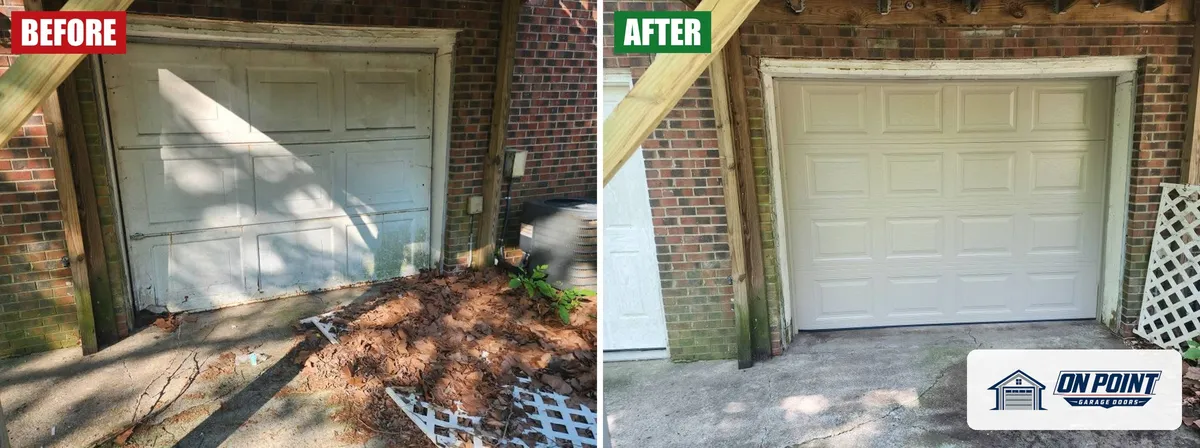
Carriage barn by the lake, condo in a development or a warehouse by the expressway, the door is seen before any number is named.
Owners of the old houses by the lakes often want a door that keeps the period look.
New owners in the developments often call when the builder's opener starts to grind a few winters in.


Historic houses and barns. Wood doors, soft jambs and framing that has settled over a century.
He says plainly whether the framing will hold new hardware.
A door that shudders as it rises, then stalls near the top, is usually working against a tired spring or a seized roller.
On condo rows one tired spring is often a sign the neighbors' are near the end too.
Townhouses and condos. Rows of matching doors and openers, often run under one set of rules.
Parts that match the neighbors' doors keep the row looking the same.
Ranches and colonials on wooded lots. Original doors with springs that have never been changed.
Plenty of those doors only need their first new springs and a set of rollers, and he says so.
A keypad helps when the whole family comes back from the river without a remote.
Warehouses and yards. Roll-ups and sectional doors hit by forklifts and box trucks.
Heavier springs and sturdier bottom bars suit doors that cycle all day.
An insulated door helps a garage near the river stay drier and warmer when the lakes freeze over.
Condo boards sometimes pick one insulated model for the whole row so every door matches.
If a warehouse door has come off its guides, keep everyone clear of it and call.
Forklifts and box trucks clip the guides and the bottom bar of warehouse doors.
On condo rows, a car backing out of one garage sometimes taps the next door over.
Yaphank sits right in the middle of our Brookhaven runs, between the county campus and the river, and our crews also cover Brooklyn and Queens.
Anything you mention about the barn, the condo or the building goes to the technician.
A door stuck open, or a truck or car trapped inside, is seen ahead of tune-ups.
If a warehouse door will not lock at the end of the day, tell us when you call.
Winter. Plows throw ridges of snow across driveways and loading aprons along the wide county roads.
Damp from the lakes and the river leaves rust on the bottom brackets of nearby garages.
Spring. The river and the lakes run high, and low garages near the water stay damp for weeks.
Summer. Kayaks and canoes come and go from garages near the river, and doors run all weekend.
Fall. Leaves from the oaks and maples on the wooded lots clog the track and the seal.
He watches the door make a full trip, then disconnects the opener and lifts it to feel how the springs balance it.
By the old mill houses he sights along the barn header to see whether it has bowed before any new track goes up.
Every hinge, roller or cable that has worn is shown to you, whether you own a barn, a condo or a building, and written on a free estimate.
Springs are sized to the door at its weight now.
On commercial doors he checks the guides, the curtain or the sections, and the safety devices together.
He closes the door on a block to show it reverses.
Spent springs, cables and bent guides go back out with him.
To finish, he watches the door rise and close while you work the remote or the wall button.
If the job is at a warehouse or a condo, tell us who will meet him.
He calls when he is close to the hamlet.
He waits for your yes, or the board's or the building manager's, before any work begins.
When new springs and rollers will carry a ranch door for years more, he leaves the rest alone.
Damp near the river, aging original doors and hard-working commercial doors bring most of the calls here.
A broken spring leaves a door too heavy to lift safely; keep it closed and call us.
Longer-life springs suit a warehouse door that opens for every delivery.
Cables in damp garages by the lakes rust at the bottom, so both are changed together.
While the cables are off he spins the drums and feels the bearings for grit from the damp.
Photo eyes are mounted solid and aimed clear of the pallets, mowers and canoe racks near the door.
Track or guides bent by a forklift or a box truck are straightened or replaced.
Brackets that shook loose on a warehouse wall go back into the steel, and on old barns into fresh wood.
The opener is tested on its own first, so only the part that failed is changed.
A keypad on a condo or a yard gate saves handing out remotes.
Tell us whether it is a home, a condo or a commercial door.
The estimate is free.
Yes. Tell us what the board allows for color, style and windows, and he matches parts to the doors around yours. Many rows were built with the same door and opener, so the right parts are often easy to match.
Sometimes. If the wood is sound, new hinges, rollers or track can keep swinging or overhead doors working. If the bottom has rotted from damp near the water, he shows you what is soft and what can stay before anything is decided.
Yes. Sectional and roll-up doors at warehouses, contractor yards and service buildings are a big part of the work here, including springs, cables, guides, bottom bars and operators. Tell us the door size and whether it is manual or motor driven.
Standing water rusts the bottom brackets and cables and soaks the bottom section. After a wet spring he checks those parts first, and a better bottom seal can keep runoff out of a low garage.
Yes. Pick a time that suits you when you book, or tell us who can let him in. He calls ahead, and nothing is changed until you agree to the written estimate.
Explain what the barn, condo or warehouse door is doing, pick a slot, and the estimate is free.
Call us at (929) 429-2429.
Write a line on how the door is acting, and a free written estimate comes back to you.