Takes 30 seconds. We call you back to set a time.
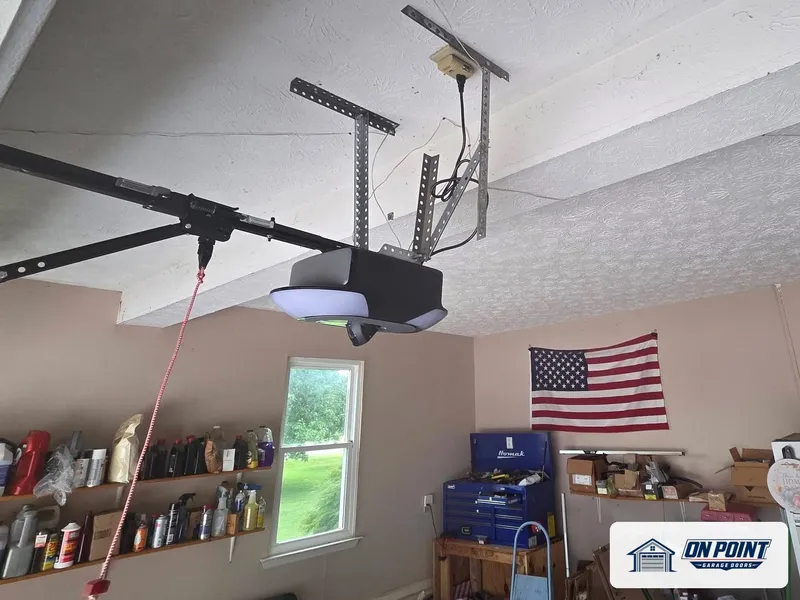
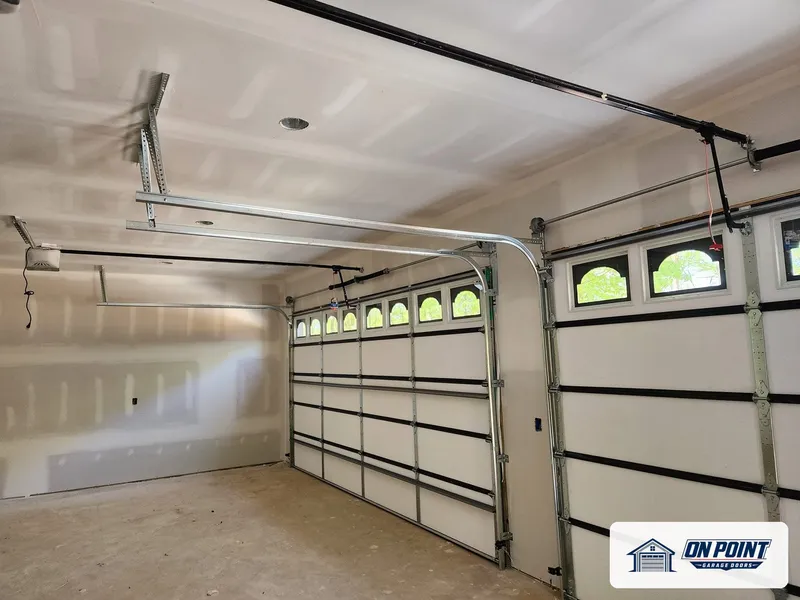
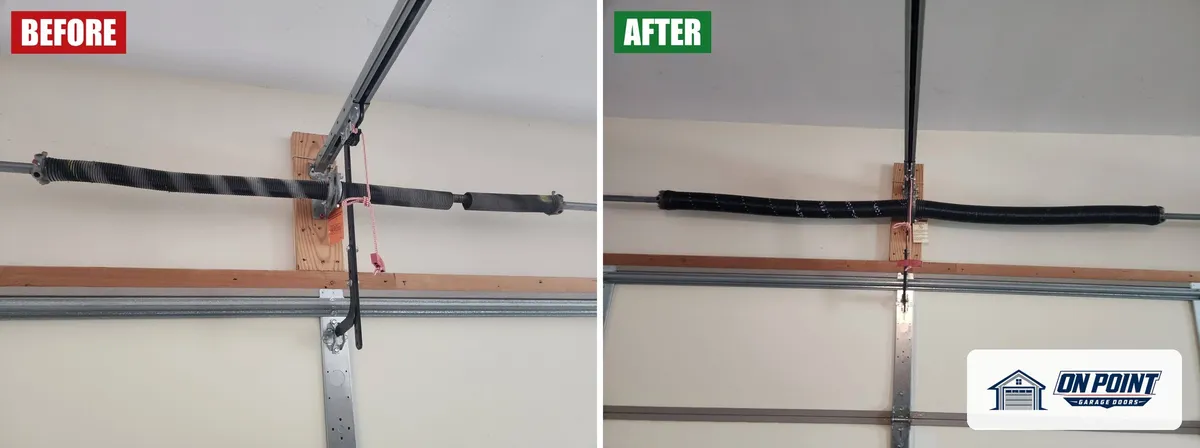
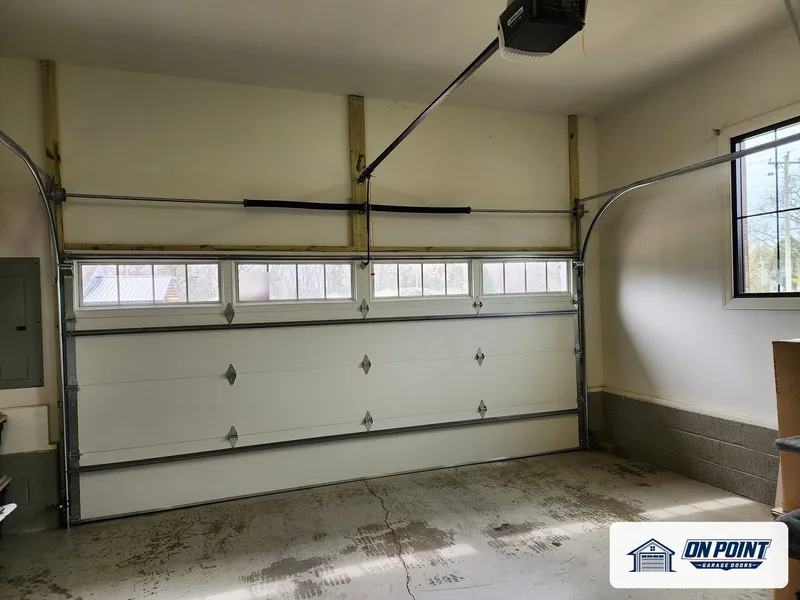
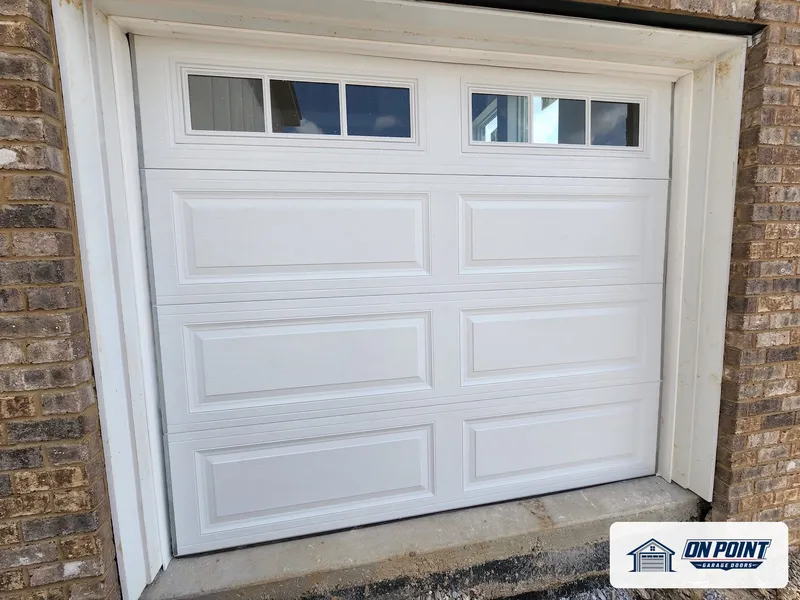
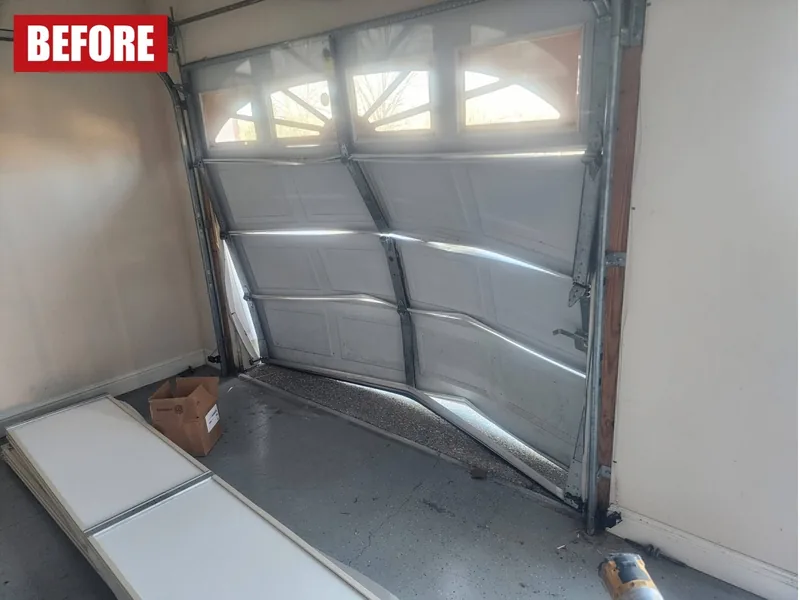
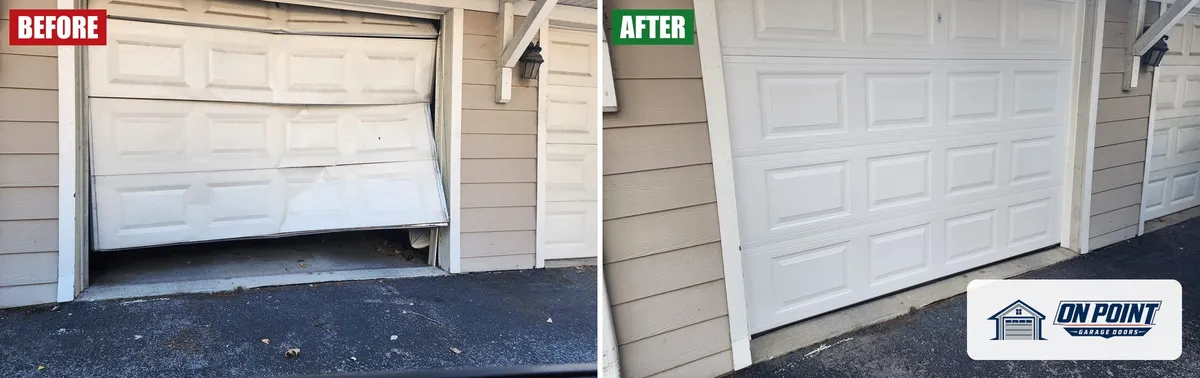
These photos are from our own jobs, with our logo on them.


Garage door repair in Westbury for the Capes, colonials and two-family homes in the village and New Cassel, plus the shops along Post Avenue and the businesses on the busy roads. Free estimate first.
Residential streets of capes and colonials sit close to busy commercial roads lined with shops, auto businesses and warehouses.
That means house doors, rolling gates and roll-up service doors all within a few blocks.
Shop owners who open early can book the visit before the doors open for customers.
Two-family homes often share one garage, and the door runs for both households from early morning to late at night.
Post Avenue is the village's main street, running past the train station with shops, bakeries and restaurants, and the big theater at the edge of the village brings crowds on show nights.
Just to the north, the old estates and gardens of the North Shore begin, while the blocks south of the tracks are mostly modest Capes and two-family houses on narrow lots.
Every remote in both households is tested after any work on a shared opener.
Auto shops, supply yards and warehouses along Old Country Road run wide sectional and roll-up doors that cycle from opening to closing.
A business door that will not come down at night leaves the stock and the tools in plain view of the road, so that visit moves to the front.
Car dealers and body shops on the commercial strips cycle their service doors constantly, and springs built for many more cycles hold up best there.
Older Capes in the village often have a detached garage at the back with a door that has been patched many times.
Leftover parts from several old repairs are replaced with matched ones so the next fix lasts.
In New Cassel, many two-family homes have a single front garage under the main floor, and opener noise carries upstairs.

Homes and businesses follow one routine: inspect the door, then estimate.


Garages at homes. Broken springs, frayed cables and loud openers make up most of the calls.
When a door suddenly takes real effort to lift, or the opener strains and stops halfway, the springs are tested before anything else is blamed.
Homeowners whose opener groans on the way up usually have a spring problem, and that is tested first.
Roll-up and service doors. Tired drum springs and bent slats are the usual problems.
The chain hoist and the motor are checked during the same visit.
Storefront gates on the main street. A gate that drops fast, drags in its guides or will not lock usually needs its spring tension set again or a few slats renewed.
Bottom bars and locks are checked so the gate secures at night.
Detached garages at the back of the lot. Rotted wood sections and rusted track are the usual finds.
A single bad section can often be replaced on its own.
Weather seals on service doors keep wind and road dust out of the shop.
A door or gate clipped by a car or a delivery truck should stay exactly where it is until a technician has looked at the sections and the guides.
After a truck or a forklift strike on a shop door, the bottom section, both cables and both tracks are inspected before the door is run again.
The village blocks and the shops on the busy roads sit right in the middle of our Nassau route, and the same crews work Queens and Brooklyn.
The details you give on the call, house or shop, which door, what it did, are in the technician's notes before he sets out.
A shop door or storefront gate that will not close for the night, or a car trapped in a garage under the main floor, is treated as urgent.
Winter. Road salt and freezing nights wear the lowest door section and gate guides.
Winter also brings salt off the main roads that eats at the lowest door section and gate guides.
Spring. Once the snow melts, rust along the bottom of doors and gates shows which parts are next to go.
Summer. Heat swells gate slats so they drag in their guides.
Fall. A check of springs, cables and locks before winter keeps shops and homes running.
He identifies the door, house garage, roll-up or gate, then checks its springs, cables, tracks or guides and motor.
He explains what he found in plain language and writes a free estimate with each part on its own line, so a shop owner can see what the door needs now and what can wait.
Springs, cables and rollers are matched to the door in front of him, whether it is a single garage under a two-family house or a wide roll-up, and the common parts ride along.
If a part has to be ordered, you are told so before any work begins.
Before he leaves, every opener and gate motor is shown stopping and backing up when something is in the way.
Old parts are taken away, and the driveway or storefront is left clean.
Business owners can watch the door or gate run and lock before he leaves.
Shop visits can be set for before opening or after closing time.
Homeowners hear from him by phone before he pulls up.
You decide what gets done, and nothing is touched before you say so.
On a house door or a shop door alike, a handful of heavy parts carry the whole load.
Springs balance the weight of every door and gate, and once one snaps the door is too heavy to lift safely; leave it down and call us.
High-cycle springs suit commercial doors that wear through standard ones.
Long cables on shop doors are checked from end to end and replaced in pairs.
On house doors in the village, cables fray where they wrap the drum and rust down at the bottom brackets, where salt from the roads settles.
Sensors and photo eyes on both house and commercial openers are tested.
Bent tracks and guides from vehicle contact are the most common commercial damage.
The door or gate is not run again until those are reset.
Worn openers and motors are discussed plainly, with a new one suggested only when a repair no longer makes sense.
A battery backup keeps the opener working when a storm knocks out the power, which matters most for families whose only way into the house is through the garage.
Say whether it is a garage under a two-family house, a door at the back of the lot, a roll-up on a shop or a storefront gate, and what it is doing.
Free estimates for homes and businesses alike, with nothing started until you agree.
Yes. Most openers hold several remotes and a keypad can carry more than one code, so each household gets its own. When a remote goes missing or a tenant moves out, the opener's memory is cleared and only the remotes still in use are paired back, which keeps the shared garage closed to anyone who left.
Standard springs on a door that cycles constantly wear out far sooner than they would on a house. Longer-life springs built for many more cycles, heavier rollers and a check of the drums and bearings on each visit keep a busy service door from failing in the middle of the working day.
Often it can. The technician sorts out which parts belong to the door and which were borrowed from another one, then replaces the odd springs, hinges and rollers with a matched set. If a wooden section has rotted or the track has rusted through near the floor, that is shown to you before any work.
No. Garages tucked under the first floor carry every rattle of an old chain drive upstairs. A belt drive, firm hanger straps fixed to solid framing and new nylon rollers quiet the door a great deal, and on some doors a wall-mounted opener beside the door takes the motor off the ceiling entirely.
Salt water splashed off the roads and carried in on tires settles where the door meets the slab. The rusted bottom brackets and cable ends are renewed, galvanized parts go on where they fit, and the bottom seal and its retainer are replaced. If the lowest section is rusted through, it can usually be changed on its own.
Describe the door or gate and choose a time that suits the house or the shop; the estimate is free.
Call us at (929) 429-2429.
Tell us what the door or gate is doing, and a free estimate comes back whatever you decide.