Takes 30 seconds. We call you back to set a time.
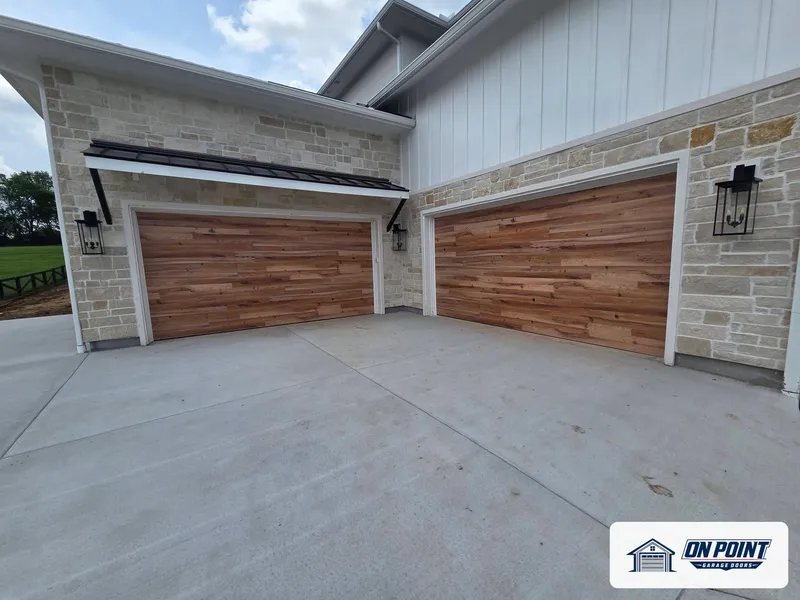
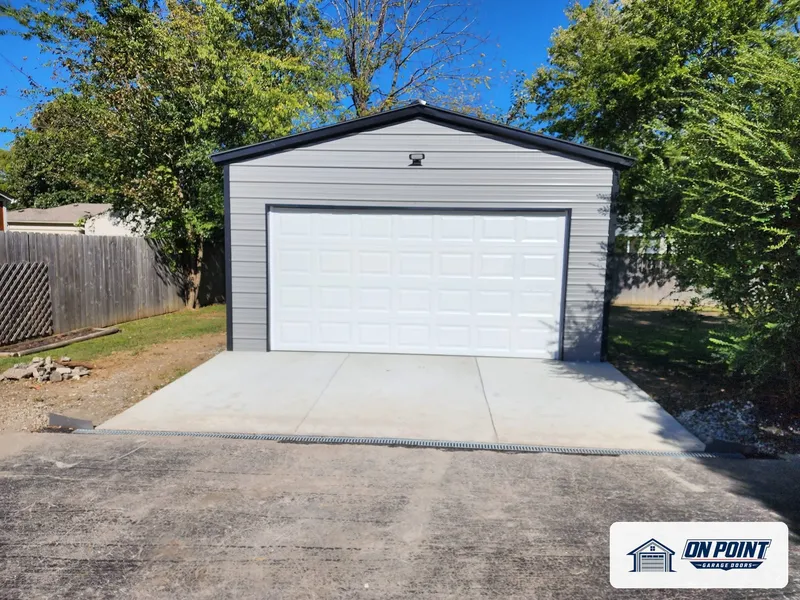
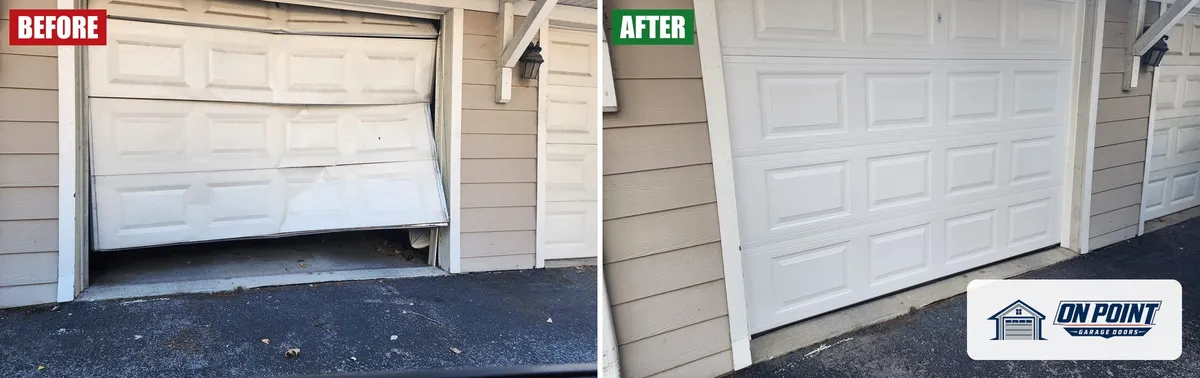
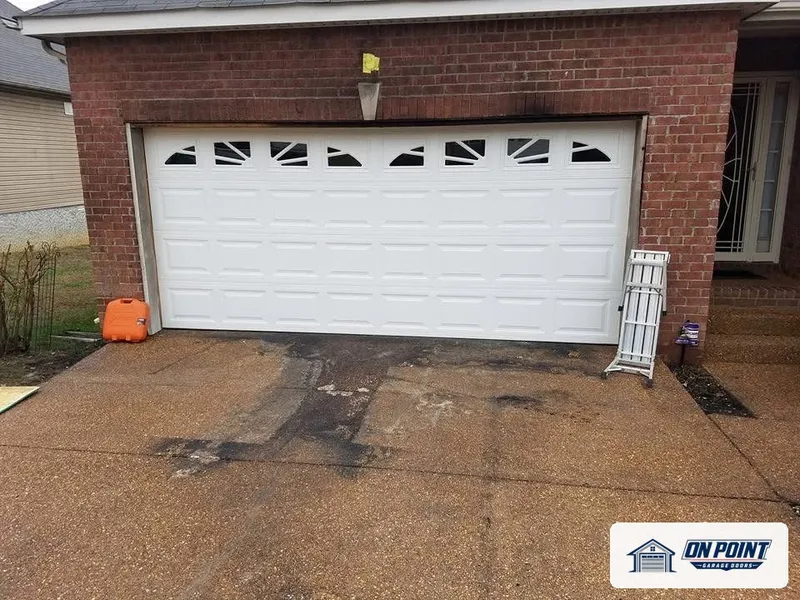
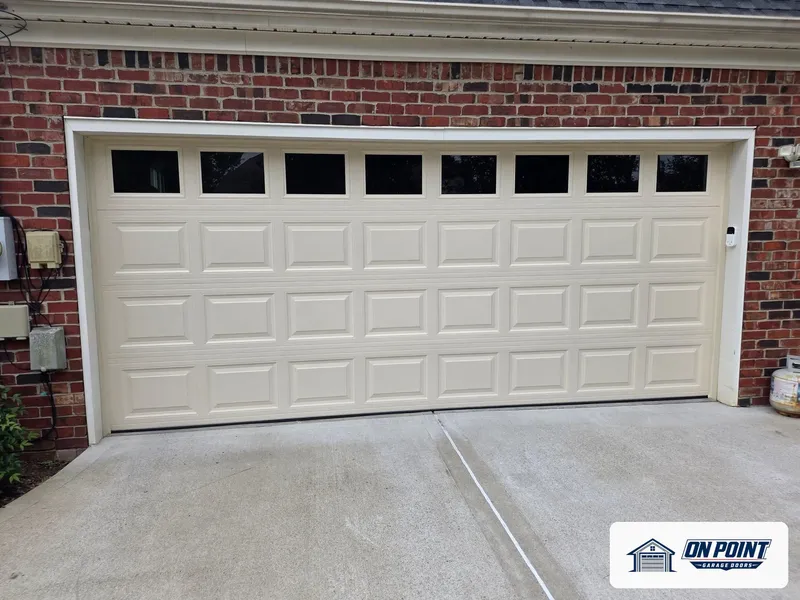
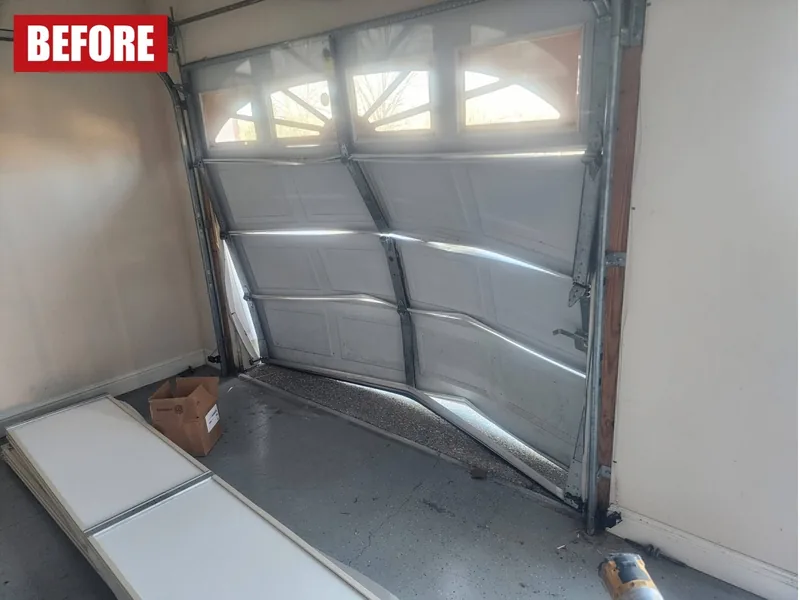
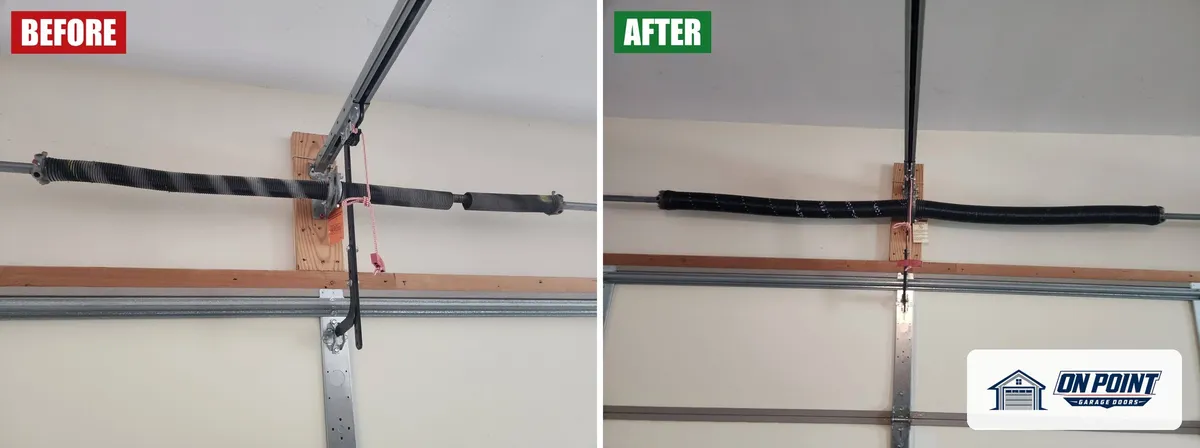
These photos are from our own jobs, with our logo on them.


Garage door repair in West Islip for the canal-front homes south of the highway, the capes, ranches and high ranches on the streets to the north, and the shops and medical offices along Montauk Highway. Free estimate first.
North of Montauk Highway the streets are mostly capes, ranches and high ranches from the building boom after the war, most with one-car attached garages.
Many of those homes have been raised a floor or widened, and the garage door was often the last thing to change.
White raised panels suit most of the capes, while canal homes lean toward carriage styles with windows.
South of the highway, the streets end at canals that lead out to the Great South Bay, and many homes there have boat slips out back.
Some of the canal homes were lifted after flooding, which left garages tall at the front and doors that were hung in a hurry.
The big hospital on Montauk Highway brings steady traffic, and the medical offices around it have rear doors and gated lots.
Shops and restaurants line the highway, with service doors opening onto narrow back lots.
Summer weekends back up the highway with cars heading for the beaches.
Sunrise Highway crosses the north side, and the causeway to the ocean beaches is a short drive east.
In summer, boat trailers, kayaks and beach gear fill garages that the rest of the year hold one car.
Doors hung quickly after past floods sometimes run on springs that were never matched to them.

Canal house, high ranch or office building, we look at the door before naming any number.
Owners who raised their homes often chose a taller door to match the new front.


Garages on the canals. Salt air and past flooding rust the bottom track, the hinges and the cable ends.
Coated parts go on doors that sit close to the water.
A door that creeps back down after you lift it halfway is often running on a spring that has gone soft.
Raised and widened homes. Taller openings and doors that may be heavier than the springs were set for.
Springs are sized to the door as it is now.
Original one-car garages. Old springs, flattened rollers and openers that have run for decades.
He says plainly when a tune-up is enough.
A keypad helps when the family comes back from the water with wet hands and no remote.
Medical offices and shops. Rear doors and gates used by staff all day.
Commercial hardware suits doors that rarely sit still.
An insulated door helps a garage used for boat work stay usable in winter.
If bay water reached the opener during a storm, keep it unplugged until it is checked.
Boat trailers backed in at an angle clip the jamb, so the end hinge and track are checked.
West Islip is on the South Shore part of our Suffolk route, and our crews also cover Brooklyn and Queens.
What you tell us about the house, the canal or the office reaches the technician before he arrives.
A door stuck open ahead of a storm, or a car trapped inside, goes ahead of routine visits.
If the garage took water in a storm, say so, so he checks the motor and lower track first.
Winter. Wind off the bay finds every gap in a worn side seal.
Wet sand tracked in from the beach settles in the bottom track and grinds the rollers.
Spring. Heavy rain pools at the low end of driveways on the canal streets.
Summer. Trailers and boat gear go in and out of the garage far more often.
Fall. Nor'easters push water up the canals and test the bottom seal.
He opens the door with the opener, then on its own, to see how the springs carry the weight.
On raised homes he checks that the door was hung square to the new opening.
Every worn part is pointed out and written into a free estimate.
Springs are matched to the door's real weight.
Rust-resistant parts are offered on garages near the canals.
The safety reverse is tested by closing the door onto a board on the floor.
Old springs and cables leave with him.
At the end he hands you the remote and has you run the door while he watches the cables.
Mention a boat trailer or a car blocking the door, and he plans for it.
A call comes when he is on the way.
Nothing starts until you say yes.
If new springs and rollers will keep the door going, that is all he suggests.
Salt air and raised houses shape most of the repairs on these streets.
A snapped spring leaves the opener lifting the full door; keep it closed and call.
Longer-life springs suit doors opened many times a day in summer.
Cable ends rust at the bottom brackets, so both cables are changed together.
Drums and bearings get a close look at the same visit.
Photo eyes are fastened firmly and set clear of paddles, rods and bikes leaned against the wall.
Lower track that sat in flood water is cut out and replaced.
Track brackets are anchored into sound framing.
The opener is tested on its own first, so a good motor is never swapped for nothing.
A battery backup keeps the door working when a storm knocks the power out.
Let us know if the garage is under a raised house or beside it.
The estimate is free.
Tell us what the door is doing, choose a time, and the estimate is free.
Call us at (929) 429-2429.
Say what the door does when the opener runs, and a free estimate follows.