Takes 30 seconds. We call you back to set a time.
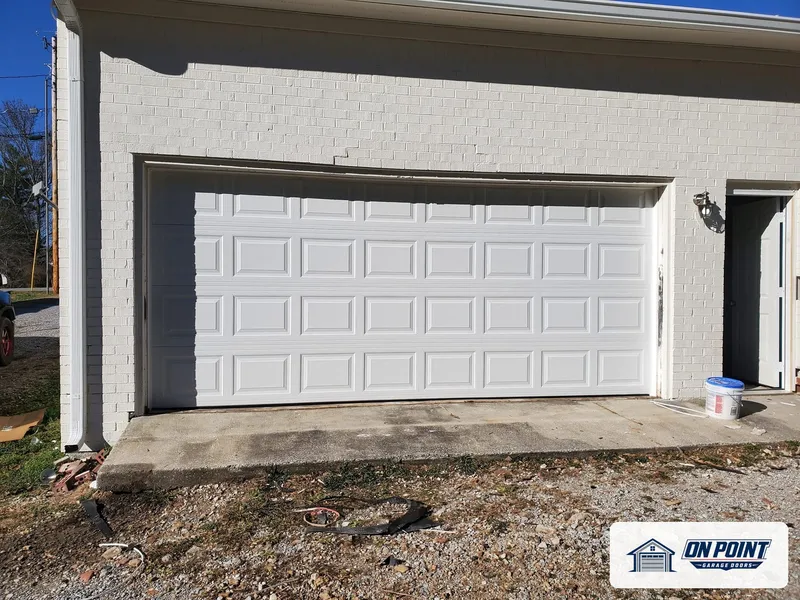
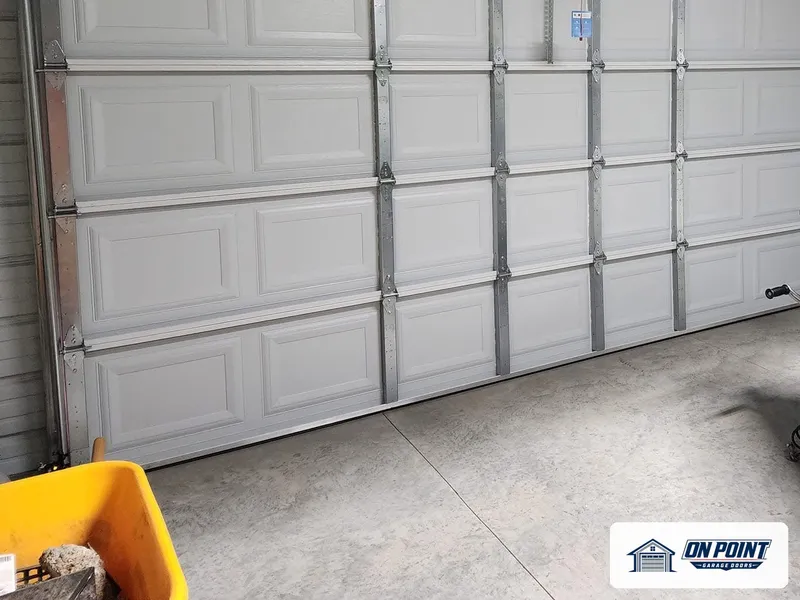
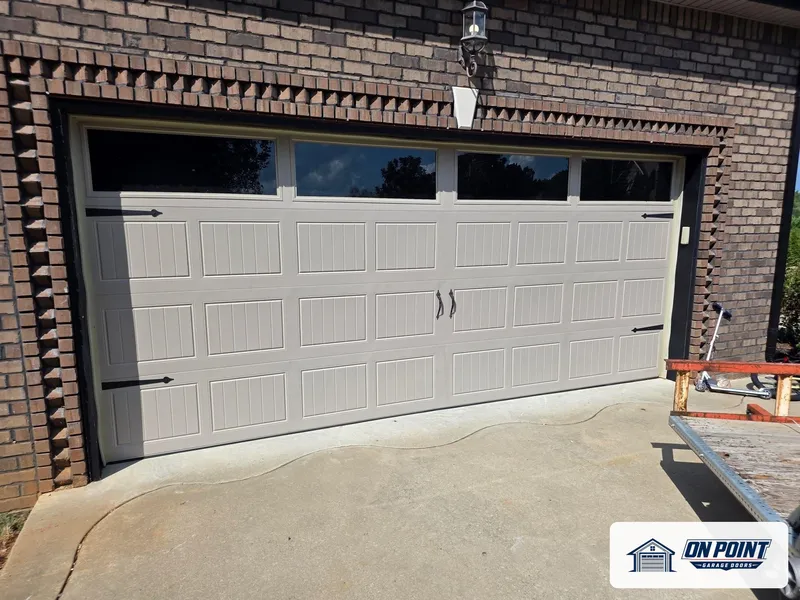
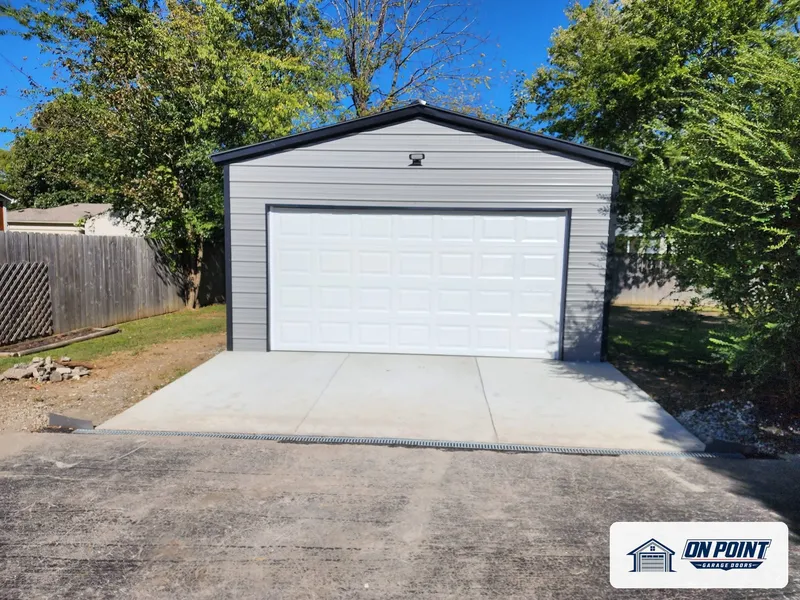
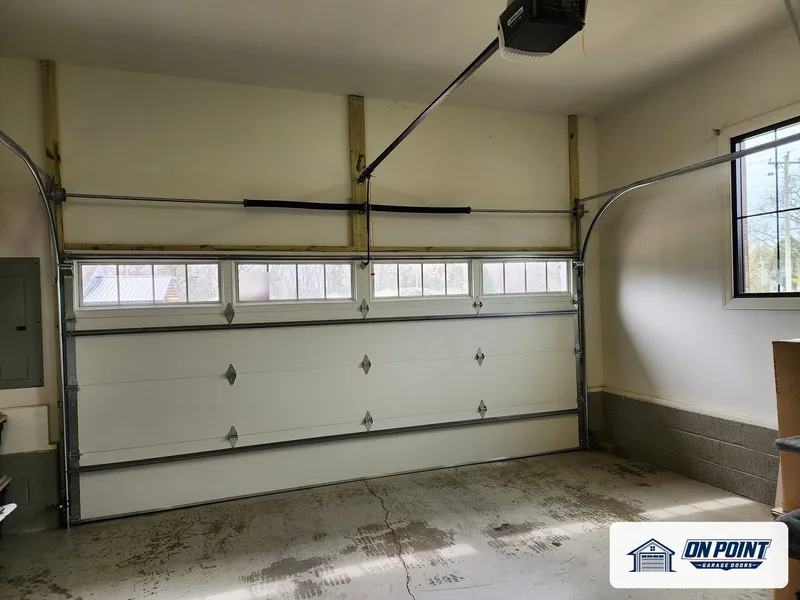
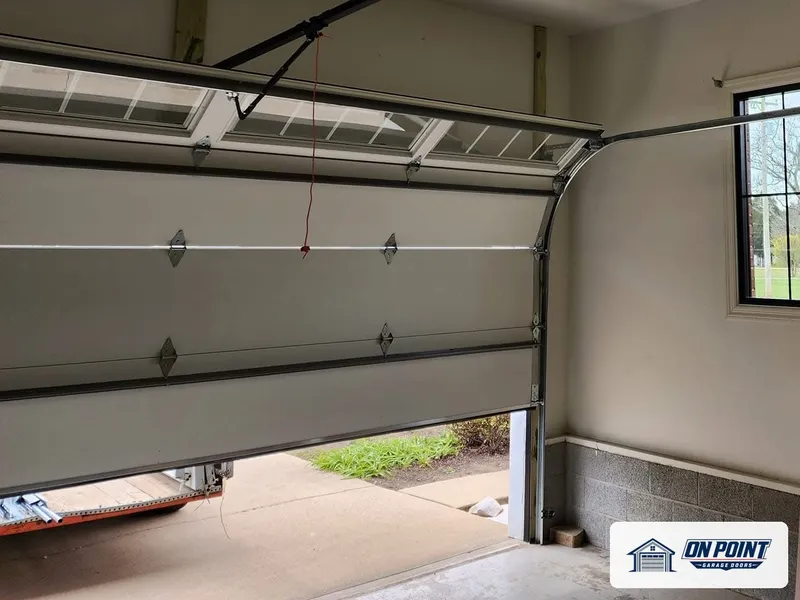
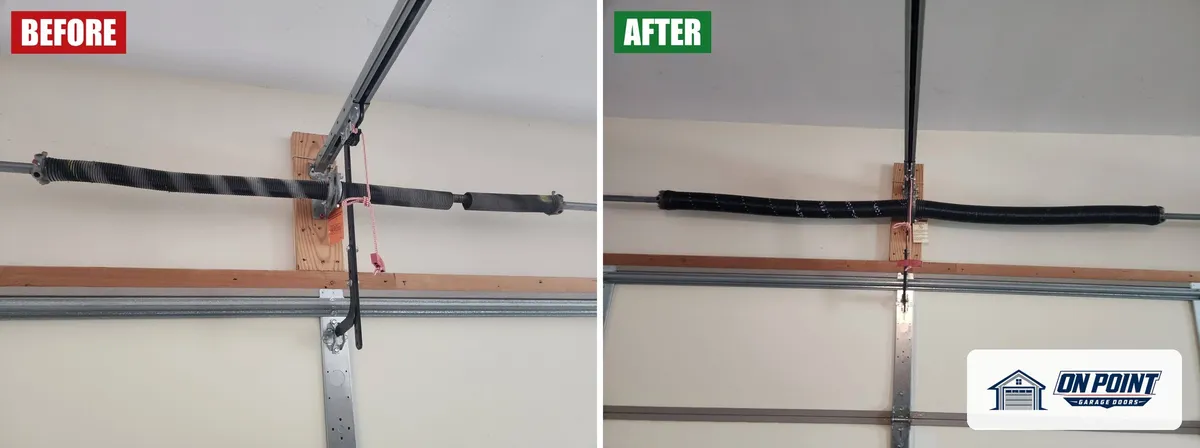
These photos are from our own jobs, with our logo on them.


Garage door repair in West Hempstead covers capes and colonials with their own driveways, high ranches with the garage downstairs, older homes toward Cathedral Gardens, houses around the pond park and the station, and the stores along the turnpike. Free estimate first.
Capes and colonials from the postwar building wave fill many blocks, and plenty kept a one-car garage, attached at the side or standing at the back of the lot.
Toward Cathedral Gardens the houses get older, with Tudor fronts and brick, where a flat white door can look like the one piece that does not belong.
A door that old can have been patched by several owners in turn, and may carry mismatched springs and rollers.
Short raised panels suit a cape with shutters, while a Tudor carries boards, arched glass or a wood-grain finish more gracefully.
High ranches put the garage below the living room, with a short sloped driveway down to it.
The family room behind that garage was often finished later, so the opener hum and any draft now land where people sit in the evening.
Water runs toward those doors in every storm.
The turnpike is lined with car dealers, repair shops, restaurants and stores using roll-up doors, service doors and gates.
Hempstead Avenue adds smaller storefronts, many with a modest steel door at the rear that gets little attention until deliveries stop fitting through it.
A showroom, deli or body shop that cannot shut its bay at lockup is moved up the list.
Traffic on the turnpike spills onto side streets at rush times, and backing out of a driveway can be tricky.
The short branch railroad and its crossings divide some blocks, while the parkway to the south sends its own stream of cars through the avenues.
Families walking to the pond park and the schools pass driveways all day.
Many also walk to synagogue on Saturdays and holidays, so a visit can be planned around those days when the household needs it.
A door's photo eyes and reverse must work every single time.

House or business, the door gets inspected before any estimate is written.
An old door can carry the repairs of several owners at once, and the aim is to leave one matched, balanced system.
That may mean rollers with the same stem, hinges of the right gauge at each joint and two springs that agree, none of which is visible from the driveway.


Old single-car garages. Mismatched parts from years of patching.
Detached ones add a sagging header or jambs gone soft near the soil, and a true track cannot be hung on rotten wood.
A matched set of springs, rollers and hinges gets the door working as one system again.
A door that feels heavy is tested for weak springs before the opener is blamed.
High ranch garages. Runoff collects against the lowest rubber, and motor noise rises through the joists into the rooms overhead.
A taller seal and a quiet belt drive ease both, though a steady stream of water needs a drain.
Turnpike businesses. Roll-up doors, service doors and gates with their springs, guides and operators.
On shop doors the bottom safety edge and the beam are tried each time.
New doors. Insulated doors that suit the capes and colonials.
When a replacement goes in, the retired sections, rail and springs are hauled off by the installer.
An insulated door makes the family room above a high ranch garage noticeably warmer.
A bay tapped by a supplier's truck or a family sedan should rest where it is, motor off, until the bend in it has been judged.
Backing out onto a busy street, it is easy to catch the door edge, which can twist a track; that is checked first.
A door that is not fully raised makes this likelier, and a drooping top section is a reason to have the travel looked at.
We serve West Hempstead and the rest of Nassau, along with Suffolk, Queens and Brooklyn.
Mention the slope, the old repairs or the business when you reach us.
A vehicle shut in behind a dead door, or a shop bay gaping at closing, is put ahead of planned work.
With one car in the household and a job beyond the branch line, a door that will not lift is a real emergency; say so and the visit moves up.
The same goes for a garage that is the home's step-free way in for someone who uses a walker or a wheelchair.
Winter. The first deep freeze snaps springs that have carried a busy family's door for years.
Detached garages see it first, since nothing heated shares a wall with them.
Garages below the house stay colder, and their bottom rubber can freeze down; wait for it to thaw rather than straining the opener.
Spring. Downpours find the low end of each sloped apron, and a clogged trench drain lets them continue under the door.
Summer. West-facing fronts bake through the afternoon, hardening rubber astragals and fading the darker paints.
Fall. Swapping a tired spring before the cold means doing it on your timetable, not the door's.
He listens through a full trip for pops and scraping, then follows the hardware from the shaft down to the floor seal and over to the motor.
Each finding is tied to the sound or symptom you reported and written on a free estimate.
Old patchwork that is still safe is labeled as such, so you are not talked into replacing it.
Springs are picked to suit the door's weight and how many trips it makes each day.
Common sizes are carried on the truck.
An object in the opening proves the stop and return, an important check on sidewalks full of schoolchildren.
Old parts are taken away.
He repeats the trip a few times with you beside him, using your own remote and wall button.
Business doors can be done before the store opens.
You get a call on his way.
You approve the work before it starts.
Patched-up old doors and busy business doors wear in different ways.
A cracked coil turns a manageable door into dead weight, so let it rest closed and keep children from tugging at it.
Coils guessed at during some earlier repair are exchanged for a pair calculated from the weight of the present door.
At the foot of a wet slope the cable loops rust from the inside of the strand outward, and the two are renewed as a set.
Each drum is also felt for a chewed groove and play on the shaft.
On high ranches the photo eyes are raised a little above the puddles that form at the bottom of the slope.
Tracks nudged on short driveways are trued up.
Hangers working out of old jambs are anchored again into lumber that can hold them.
Motor gear, logic board and photo eyes are separated by testing, so one dead component does not condemn the whole machine.
Commercial operators are sized to how often the door runs.
Tell us whether this is a home or a turnpike business, attached or detached, and what changed about the door.
Every estimate is free.
Yes. Say so when you book and we choose another day, allowing for an early Friday sunset in winter. If the door sits open just before the holiday begins, tell us that too, so securing the garage can be treated as the priority and the remaining repair scheduled for afterward.
Keep and repair it if the frame and the leaves are sound, or convert to a sectional door if you want an opener and better sealing. A conversion needs headroom, straight jambs and a header that can take track and spring brackets. Those are inspected first, along with whether electricity reaches the back of the lot.
A working door can stay in front of a shortened storage space if track and springs have room, or a fixed panel can imitate one. The conversion itself may need town approval and other trades. Bring us in before the new wall is framed, so it does not land where a roller, rail or opener has to travel.
A fresh bottom seal and a threshold help with wind-driven rain and small trickles. They cannot hold back a steady stream, which is a grading or drain job. The technician checks whether the door lands level and whether the rubber reaches both corners, then tells you plainly if the water problem lies beyond the door.
It depends on the door. The curtain, barrel springs and guides must be sound and balanced first, the shaft needs to accept an operator, and power has to be brought to it by an electrician if none is there. Safety devices are part of the plan whenever a button or timer will move the door.
Describe what happens on the button, choose a slot that fits work, school or worship, and the estimate is free.
For a house door or a business bay, dial (929) 429-2429.
Note the symptom and any earlier repairs you know of; the estimate is free whatever you choose.