Takes 30 seconds. We call you back to set a time.
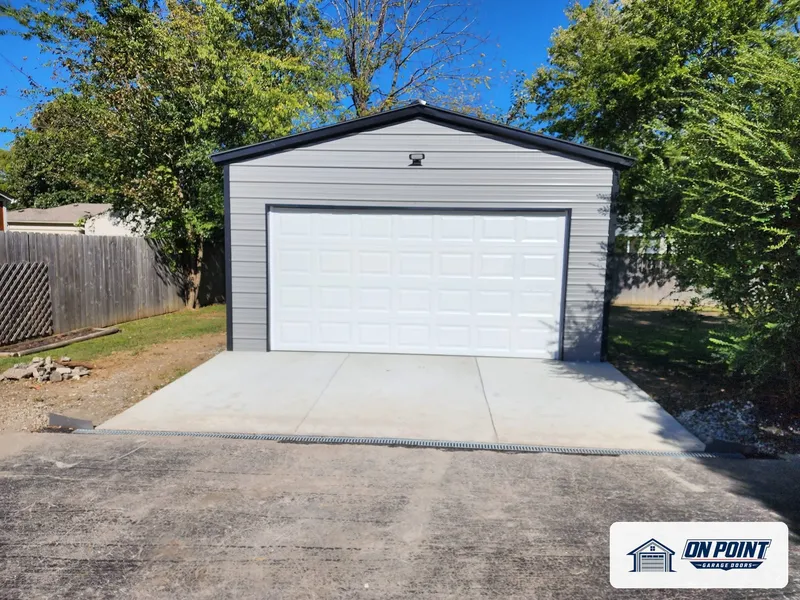
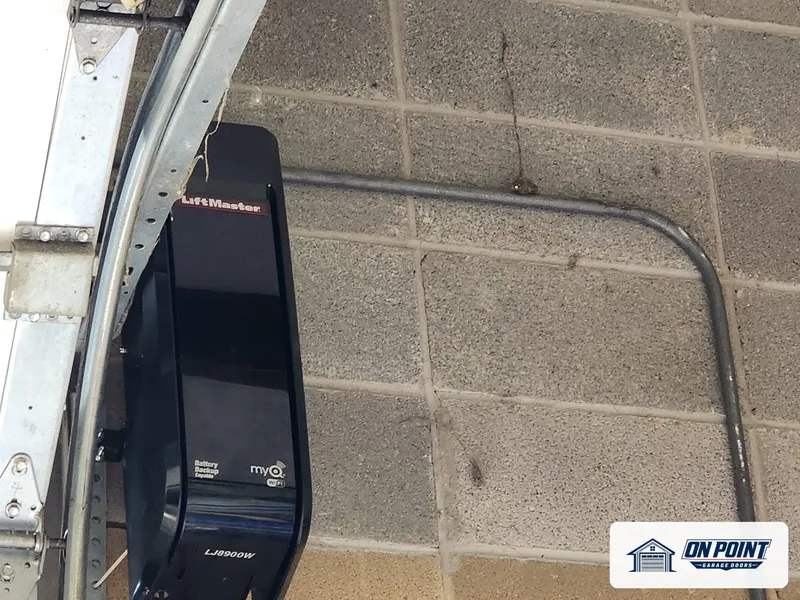
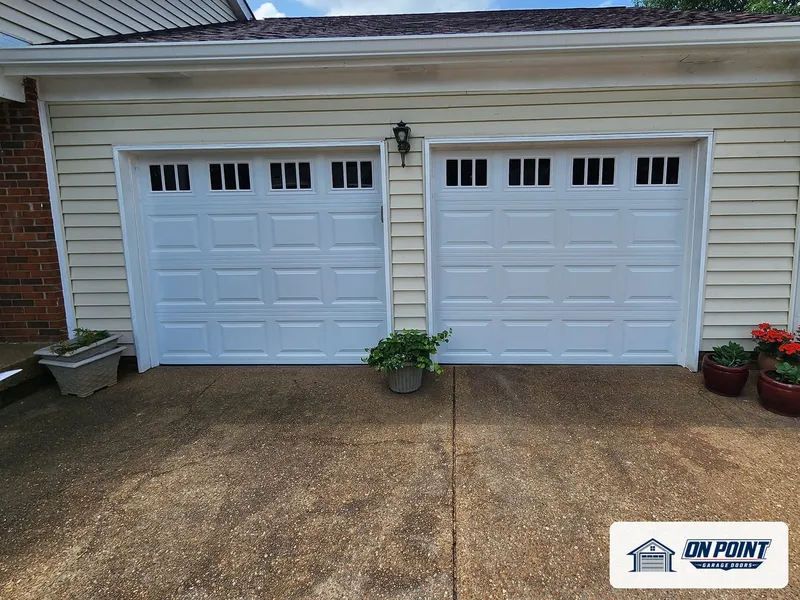
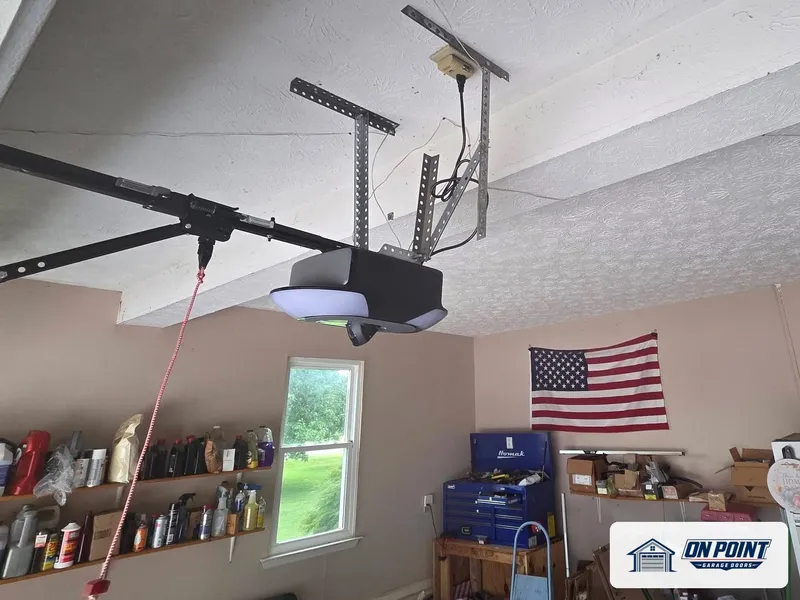
These photos are from our own jobs, with our logo on them.


Garage door repair in Port Jefferson for the Victorian and older village houses on the steep streets above the harbor, the homes on the bluffs, the newer houses up the hill, and the shops and restaurants near the water. Free estimate first.
The village grew up around a busy shipbuilding harbor, and many sea captains' and shipwrights' houses still stand on the slopes.
Lots are small and steep, so garages are often cut into the hillside or squeezed at the end of a short, sharp driveway.
Old village houses suit wood or carriage-look doors, while homes up the hill mostly carry white steel panels.
Higher up, the streets turn to colonials, ranches and newer homes with attached two-car garages.
A door at the bottom of a steep drive takes runoff every storm, and the bottom section is where rot and rust start.
The car ferry crosses the Sound from the harbor, and the dock area fills with traffic when it loads and unloads.
Main Street climbs from the waterfront past shops, restaurants and a historic theater toward the upper village.
Ferry lines and summer crowds near the dock tie up the lower village, so the truck plans its way in.
Two hospitals on the hill bring staff and visitors into the village every day of the week.
Nurses and doctors working odd shifts need a door that opens whenever they leave, and a dead opener before a shift is a good reason to call.
The branch railroad ends at the station in the upper part of the village, where commuters park and walk.
Some garages on the oldest streets were dug out of the slope decades after the house was built.

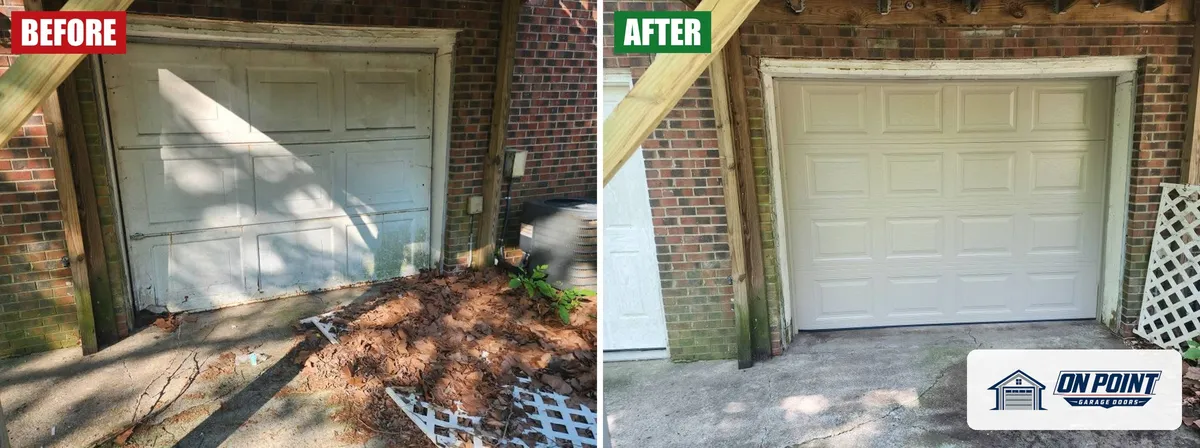
Captain's house on a slope, newer home up the hill or a shop near the dock, the door is seen before any number is mentioned.
Owners restoring a captain's house often want a door that suits the old trim.


Old village houses. Garages cut into the hill with damp walls and doors that have swelled over the years.
Wood doors are checked for rot in the bottom section first.
A door that feels heavy halfway up has usually lost spring tension.
Homes up the hill. Two-car doors and openers that run many times a day.
On those busy doors, the rollers, the springs and the opener are looked at together, because they wear as a set.
Houses on the bluffs. Wind and salt off the Sound on every hinge and spring.
Galvanized hardware and a fresh seal hold up there.
A keypad saves a climb back up the stairs for a forgotten remote.
Shops near the water. Narrow rear doors and roll-ups used for deliveries.
Heavier springs suit doors that open from morning to closing.
A garage dug into the slope under the house chills the rooms above it in winter, and an insulated door with tight seals takes the edge off.
If a garage at the foot of a steep drive has taken water and the door is sticking, keep it closed until it has been seen.
Cars rolling down a steep drive into a short garage tap the door and bend the bottom section.
The village is one of our north shore Suffolk stops, and our crews work across Brooklyn and Queens as well.
What you tell us about the hill, the parking or the shop reaches the technician.
A garage stuck open or a car shut inside is seen ahead of tune-ups and upgrades.
If a shop's back door will not close near the waterfront, tell us when you call.
Winter. Steep driveways ice over and cars slide toward the door.
Salt and grit from the harbor road settle in the track over the winter.
Rollers running through that grit wear quickly, so a winter visit clears the bottom of the track and checks every roller.
Spring. Runoff races down the hill streets and soaks the bottom of hillside garages.
Summer. Ferry and festival crowds fill the village, and parking near home garages gets tight.
Fall. Nor'easters push salt mist up the bluffs and into every gap around the door.
He studies how the steep drive meets the door, runs it on the opener, then unhooks it to feel how the springs carry the weight.
On garages cut into the hill he checks for water seeping in under the door.
He points out each part that has worn and writes it on a free estimate you can keep.
New springs are wound for what this door weighs after years of damp and paint.
On hillside garages he checks the walls and jambs for damp before new track goes in.
A block set on the slab proves the door still reverses.
The old springs and cables leave the hill with him.
Before he goes, you work the door from the wall button and the remote while he watches the cables wind.
If parking near the house is tight, tell us where the truck can stop.
He calls as he comes down the hill into the village.
Nothing is changed before you agree.
If springs and rollers give the door more years, that is the whole estimate.
Steep driveways, damp hillside garages and salt air drive most of the work here.
A spring that snaps on a heavy door leaves it too much for the opener; keep it closed and call.
Springs rated for many more cycles suit a two-car door the family runs from breakfast to bedtime.
Cables rust in damp hillside garages, so both are changed together.
The cable drums and the shaft bearings get a look for rust while he is there.
Photo eyes are bolted firm and kept clear of recycling bins, beach chairs and kayaks parked by the door.
Track bent by a car sliding down an icy drive is trued or replaced.
Brackets fixed to damp framing are moved into sound wood.
The opener is run with the door unhooked first, so only a part that has really failed is changed.
A wall-mount opener frees ceiling room in a low garage cut into the hill.
Say whether the garage is cut into the hill or attached at street level.
The estimate is free.
Usually. Many of those garages have low ceilings and beams in the way, so a wall-mount opener beside the door or low-headroom track is used. The technician measures the space at the visit and checks the walls for damp before anything is mounted.
Swelling comes from damp getting into bare or worn wood, usually at the bottom section. The door is checked for rot, the springs are reset for its true weight, and the bottom rail and seal are renewed. If the wood is too far gone, a carriage-look door that suits the old trim is offered.
Keep the door closed in icy weather when you can, and park short of the slab. A sturdy bottom section and a reinforcing strut help the door take a light tap, and any track bent by a slide is trued or replaced before it starts to bind.
Yes. Restaurants and shops near the harbor use narrow rear doors and roll-ups for deliveries, and many run from morning to closing. Heavier springs, solid bottom bars and good locks suit them, and visits can be set before the dining rooms open.
Wind and salt mist work on the hinges, the springs and the fasteners first, and the side seals dry out and crack. Galvanized hardware, stainless hinge pins and fresh seals hold up far better up there, and the track bolts are checked because steady wind works them free over time.
Say what the door at the bottom of the drive is doing, choose a visit, and the estimate is free.
Call us at (929) 429-2429.
Mention any swelling, grinding or rust you have noticed, and a free estimate comes back.