Serving Brooklyn, Queens and Long Island(929) 429-2429Open six days a weekFree estimateGuaranteed work
On Point Garage Doors
Open 24 hours Sun-Thu, Fri until 5 pm Free estimate Springs, openers, cables We come to you
Emergency?Call nowBook free estimate
Between the boardwalk and the bay

Rockaway Park Garage Door Repair

Free estimateSame-day serviceCommon parts on board
  • Free estimate
  • Same-day service
  • Common parts on board
Emergency garage door repair★★★★★ 5.0 on Google · 42 reviews

Book your free estimate

Takes 30 seconds. We call you back to set a time.

Or just call (929) 429-2429 and talk it through.

Home › Rockaway Park Garage Door Repair

Real jobs. Real photos.

These photos are from our own jobs, with our logo on them.

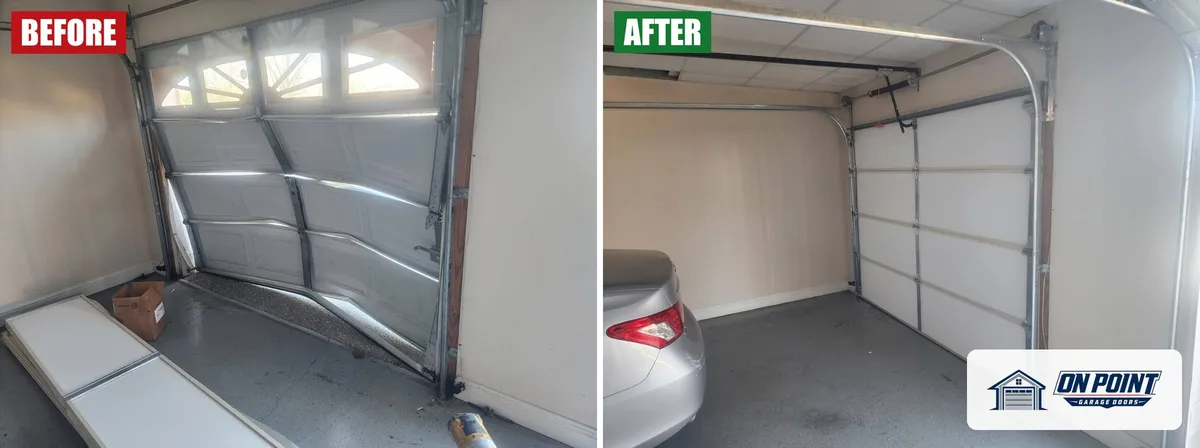
Caved-in door, made new: before and after photo from one of our jobs
Caved-in door, made new
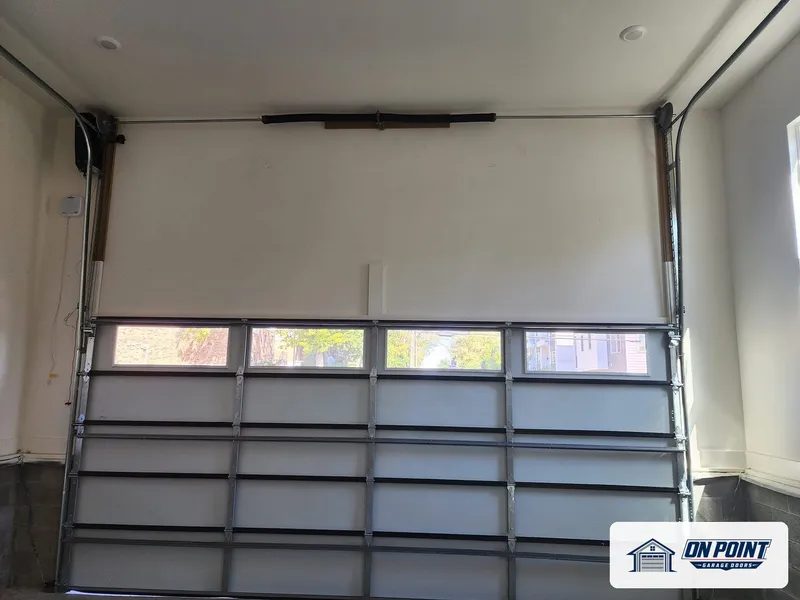
New door with a glass row, photo from one of our jobs
New door with a glass row
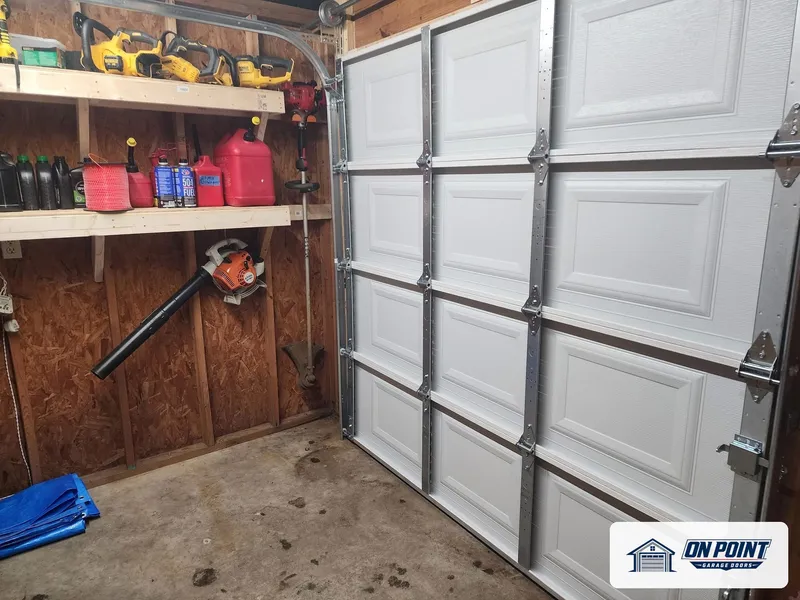
New door, inside view, photo from one of our jobs
New door, inside view

Garage door repair in Rockaway Park, on the narrow strip of Queens with ocean at one end of the street and Jamaica Bay at the other. Detached garages behind older houses, doors under raised homes and gates on the shops are all looked at first, with a free estimate.

A few short blocks from sea to bay

The numbered beach streets run straight across the peninsula, so hardly any garage here is far from salt water. Big old frame houses with porches, brick two-family homes, small former summer places and apartment buildings near the shore can all stand within a short walk of each other.

The garage is frequently a separate building at the end of a driveway shared with the house next door. It may have a low wooden header, a floor that has been under water and a door that was chosen decades ago. Each of those things matters before a spring or an opener is picked.

Sandy drove the ocean and the bay together across this part of the peninsula and left sand, salt and water inside ground-floor rooms and garages. A door can look sound from the driveway and still have hollow rust inside the bottom rail, under the brackets or where the track meets the slab.

Wind is the other constant. It comes straight up the streets from the boardwalk, carrying fine sand that packs into hinges and roller stems, and it leans hard on a door that faces the sea. A wide door without a sound strut can bow inward and start to rub.

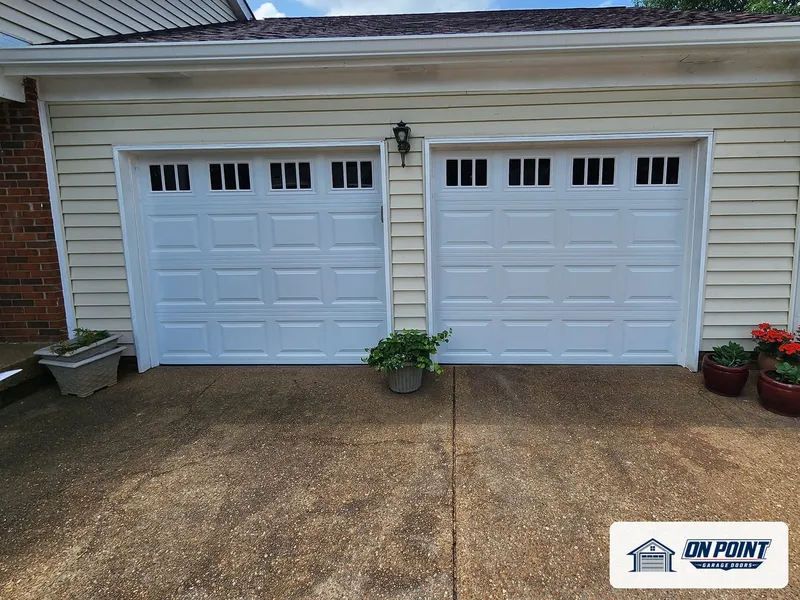
Two new garage doors with windows, installed by On Point Garage Doors

Doors for porch houses, rear garages and shorefront buildings

A wooden door behind a porch house and a steel door under an apartment building age differently by the ocean, so the technician reads the metal and the wood before he talks about parts.

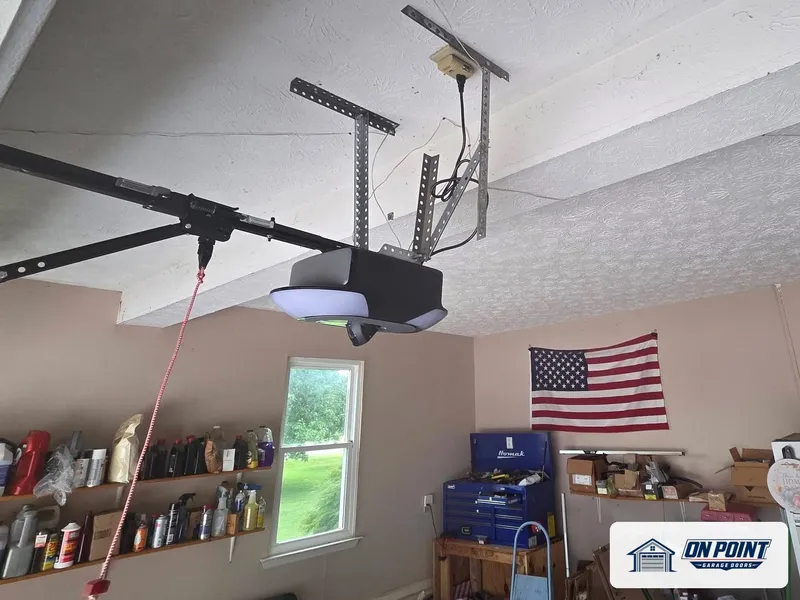
Garage door opener installed on the garage ceiling by On Point Garage Doors
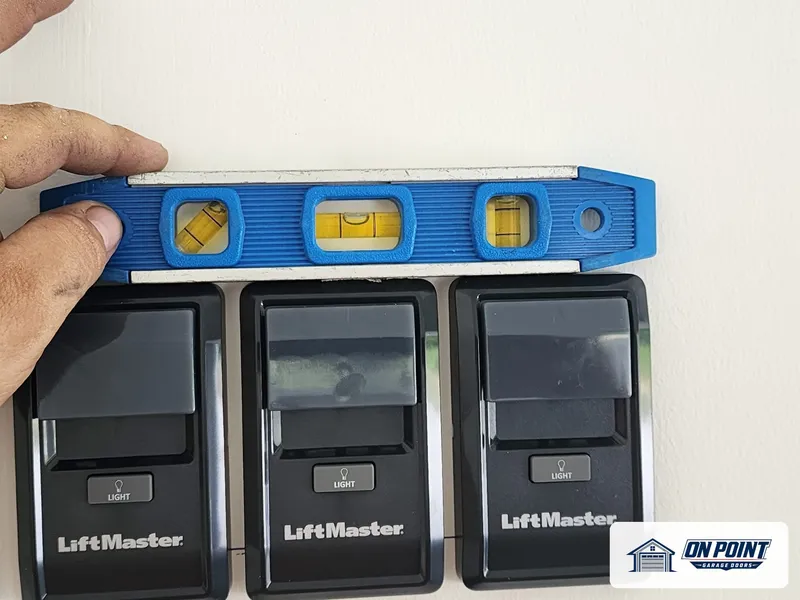
LiftMaster wall controls being leveled, from one of our jobs
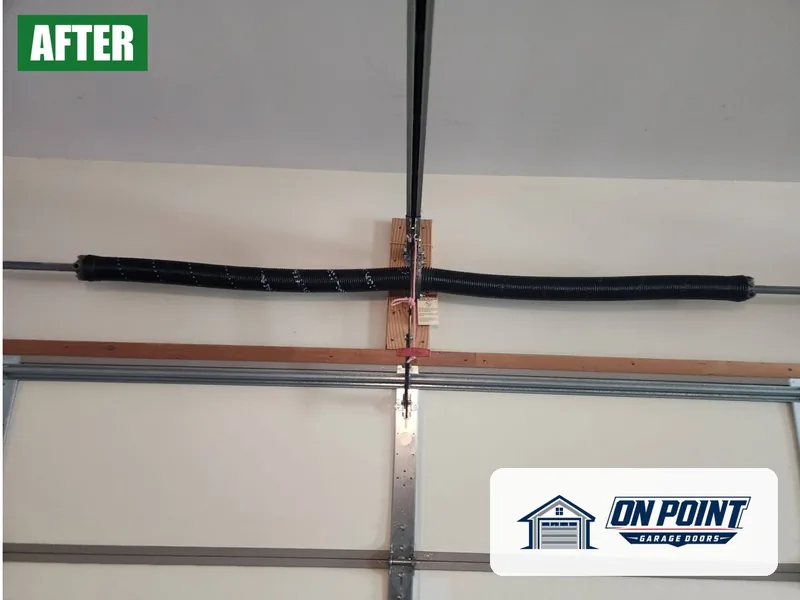
New torsion springs above a garage door, from one of our jobs

Problems by type of door

Detached garages at the back. Old timber frames sway a little out of square, and the tracks follow them. When a door sticks at the same spot on every trip, the jambs and the track fastenings are examined along with the rollers, because new rollers alone will not straighten a leaning opening.

Garages under raised and rebuilt homes. Some houses were lifted or rebuilt after the flood, leaving parking or storage at ground level. A door on that level benefits from corrosion-resistant hardware, an opener mounted well up off the floor and a bottom section that can stand getting wet.

Where flood openings have been cut into a door or the wall beside it, he leaves them working and points out any that have been blocked by a repair or by storage piled against them.

Apartment parking and shop gates. A door shared by many residents collects wear in its hinges, rollers and operator far sooner than a family door does. On the shopping street that runs from the ocean to the bay, roll-down gates pick up sand in their guides and rust along the lowest slats, where wet sidewalk splashes back.

Doors pushed in by wind or cars. A gust can fold an unbraced section, and a car easing down a tight shared driveway can clip a track. Either way the door should not be cycled again until someone has seen whether the cables are still seated on their drums.

Brooklyn, Queens and the Island

We cover the peninsula along with the rest of Queens, plus Brooklyn and Long Island, for houses, buildings and storefronts.

Give us the cross streets and say whether the garage is out back, under the house or part of a building, and the technician has that before he crosses the bridge.

A door hanging open with bad weather coming off the ocean, or a car shut in behind a broken spring, should be mentioned first thing so the visit can be treated as urgent.

What the shore does in each season

Winter. Nor'easters drive salt mist several streets inland, and the wet freezes along the bottom rubber. An opener that strains against a door frozen to the concrete can strip a gear or bend the arm, so it is safer to stop and wait for the thaw.

Spring. Once the winter storms pass, orange stains appear around track bolts, cable loops and bottom hinges. That is a sensible moment to have the hardware looked over, before the beach season puts the door back into daily use.

Summer. Surfboards, wagons, chairs and bikes go in and out of the garage all weekend, and one of them usually ends up leaning on a photo eye. Low sun off pale concrete can also confuse a sensor that faces west along the driveway.

Fall. Hurricane season overlaps the first cool nights. Struts, track brackets and the opener battery deserve attention before a named storm is on the forecast, when there is still time to order a part that is not on the truck.

How a visit runs near the boardwalk

He starts at the bottom of the door, where salt does its work: rail, brackets, cable loops, lowest rollers and the feet of the tracks. Then he moves up to the shaft, springs and opener and compares how badly each has corroded.

Rust that is only on the surface is described that way, and rust that has eaten into a load-bearing part is shown to you. The free written estimate keeps those two lists apart, so cosmetic work is never mixed in with what the door needs to run safely.

For a garage this close to the sea he talks through coated springs, galvanized or stainless cable and rollers with sealed bearings. Parts for an unusual wooden door or an older commercial gate may have to be ordered, and you hear that before the work is booked.

With the repair finished, the door is stopped at several heights to show the balance holds. The opener is then made to reverse on an object, and the sensor beam is broken as the door closes.

Rusted hardware, old cable and flakes of scale are collected from the floor and driveway, where bare feet and bike tires would otherwise find them.

Why a local technician matters

Curb space near the beach disappears on warm weekends, and a shared driveway may be the only route to the rear garage. Mention both when booking. He can park where you suggest, carry parts down the side of the house and keep the other household's half of the driveway open.

You read the estimate before a bolt is turned, and it is fine to take part of it now and leave the rest.

Where doors give out

By the ocean, corrosion sets the order in which parts fail. Thin steel under constant tension goes first, and thick steel that only stands still goes last, which makes the weak points fairly predictable.

Springs. Pitting on the coils creates tiny cracks that grow with each trip of the door. A torsion spring with heavy scale can break long before its expected number of cycles, and the door then becomes dead weight on whatever is trying to raise it.

Cables. The strands nearest the floor sit in damp sand and turn brown from the inside out. Broken wires at the loop are the warning. Both cables are changed as a set, and the drums are inspected for grooves.

Safety eyes. Sand on a lens, a corroded bracket or a connection gone green with salt can all stop a door from closing. The wiring is checked as well as the aim, since moisture often gets into the joints.

Tracks. The lowest stretch can rust through while the rest looks new. If the bottom has thinned to a ragged edge, a roller can escape there, so that length is replaced instead of patched.

Openers. Circuit boards dislike salt air, and units that sat in floodwater tend to fail in odd ways. When the motor is worth keeping he replaces the failed part; when it is not, he explains a wall-mount or ceiling unit kept clear of any water line.

Booking

On the call, describe the sound or the symptom, how near the garage is to the water and whether it has ever flooded. Those details decide which hardware he loads.

Free estimates for beach houses, two-family homes, buildings and shops on this side of Queens and beyond.

Questions from the beach and bay blocks

We live near the boardwalk and our new springs already have rust on them. Is that normal?

A light film can appear quickly this close to the surf, especially on plain oil-tempered springs. It becomes a problem when the coils pit or flake. Coated springs slow that down, and a garage that can dry out between storms treats every metal part more kindly. The technician can tell you which stage yours are at.

Our house was raised after Sandy and the garage is now underneath. What kind of opener belongs there?

One with its motor and electronics as high as the space allows. A wall-mount unit beside the shaft or a ceiling unit can both work, depending on headroom and what runs along the underside of the house. He also looks at where the outlet is, since a receptacle near the floor is the first thing a surge reaches.

Sand keeps getting under the door and into the rollers. Can anything keep it out?

Nothing stops it completely on these streets, but a supple bottom rubber, good side seals and a level threshold cut down how much blows in. Sealed-bearing nylon rollers cope with grit far better than open steel ones. If the slab has sunk at one corner, he will show you the gap before suggesting a seal.

The garage is down a driveway we share with the house next door. How do you handle that?

Tell us when you book, and warn the other household if you can. He leaves the truck where it does not trap their car, walks tools and sections back to the garage and clears the pavement before he goes. If both garages need attention, each owner gets a separate estimate.

A storm is coming and our big door faces the ocean. What should we have looked at?

The braces across the sections, the track brackets and their fastenings into the jambs, the lock and the hinges at each end. An older door with thin steel and no reinforcement is the one most likely to fold. Have it assessed while the weather is calm, and do not stand behind a door that is flexing in high wind.

Get your door working

Send a note about the door and the parking on your street, and we will agree on a visit. Looking at it and writing the estimate is free.

Call us at (929) 429-2429.

A free estimate for doors by the sea

Write down what the salt or the storm did to the door, and a free estimate follows the visit.

Or just call (929) 429-2429 and talk it through.

More repairs