Takes 30 seconds. We call you back to set a time.
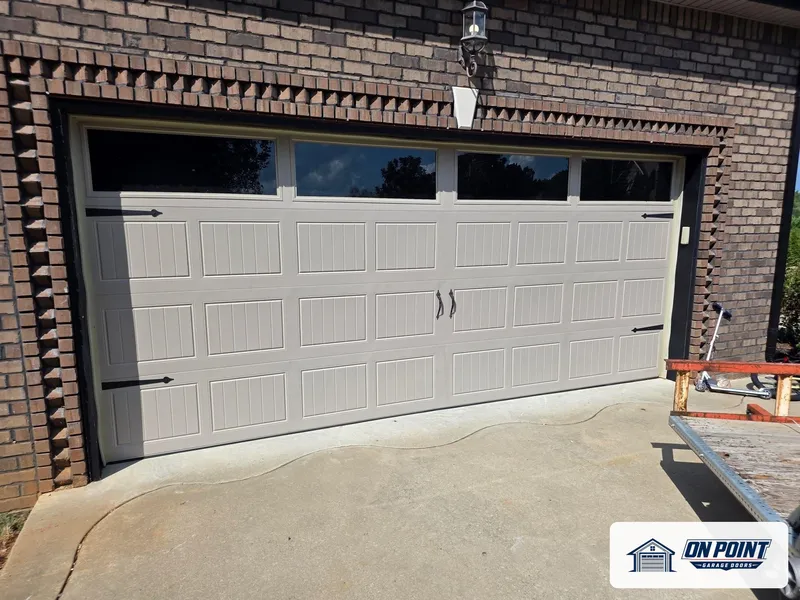
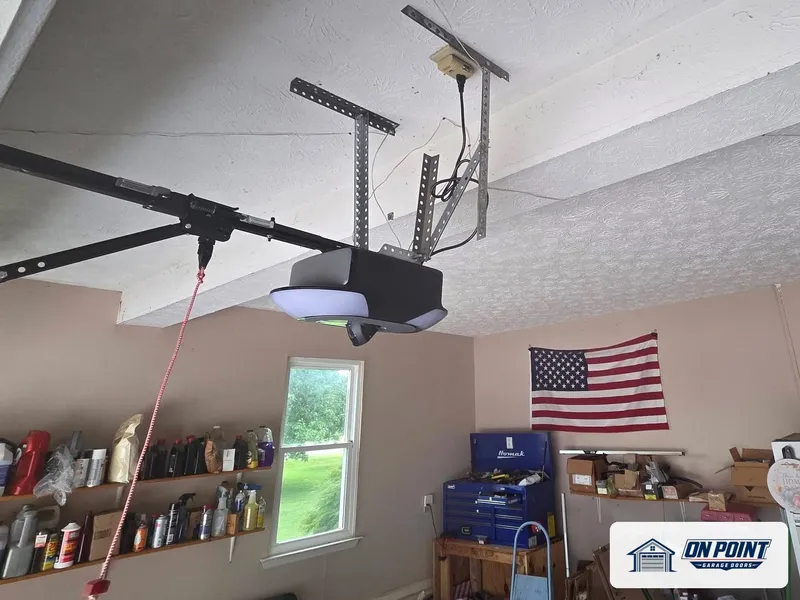
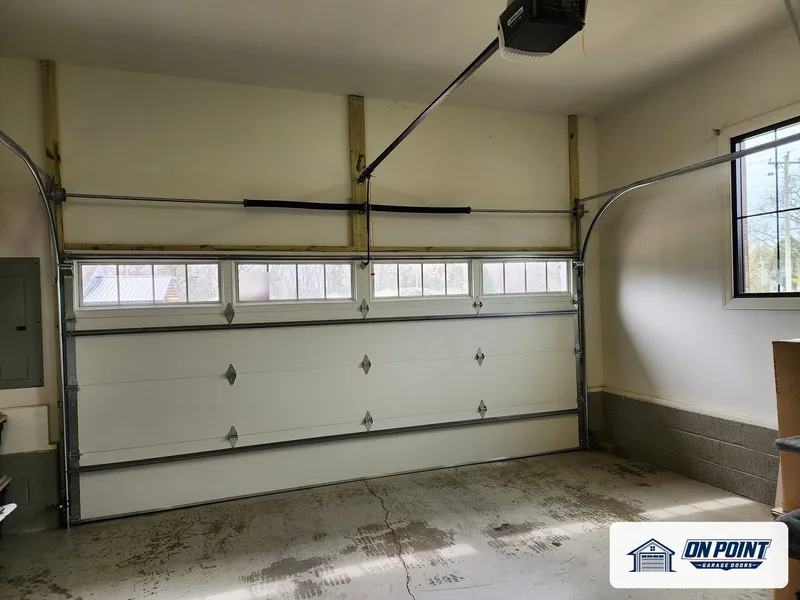
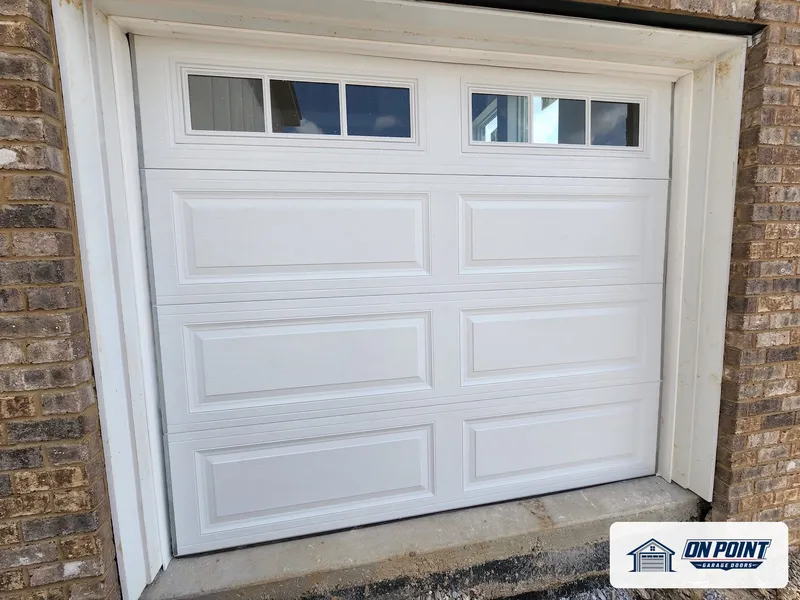
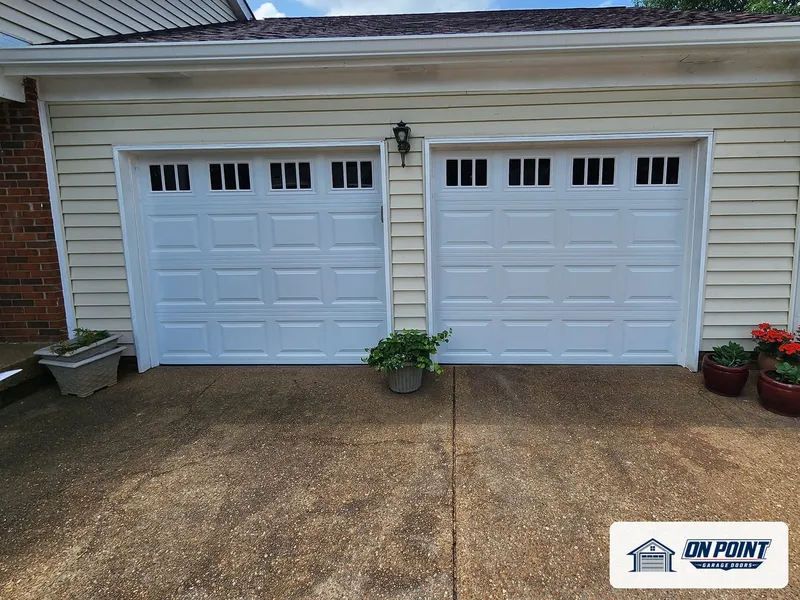
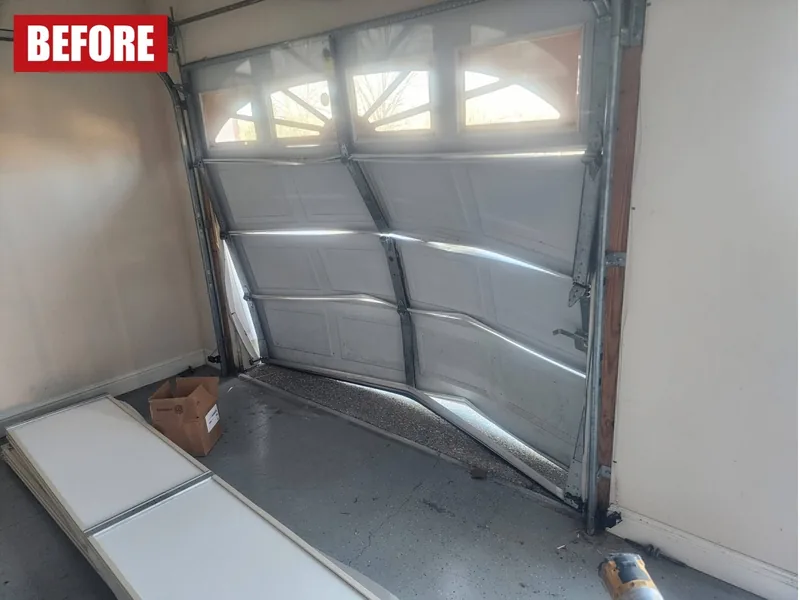
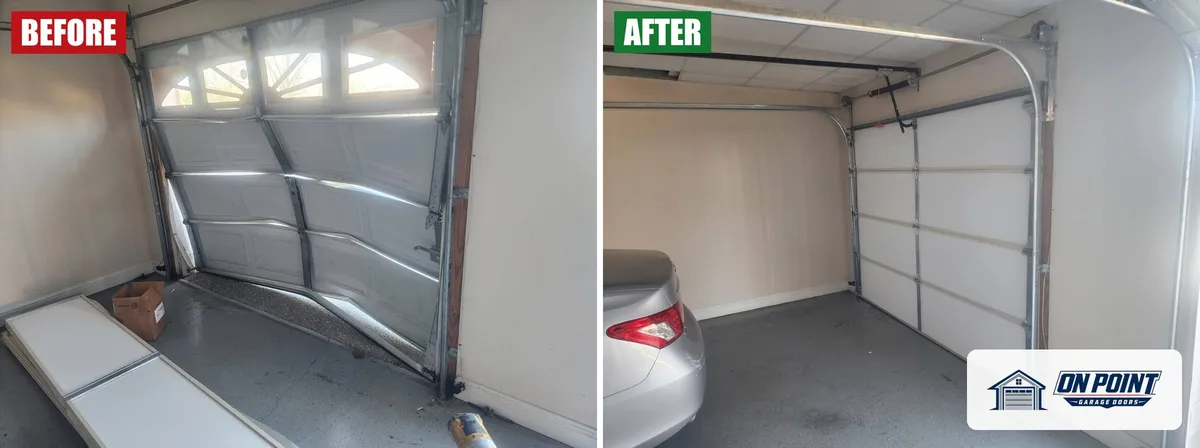
These photos are from our own jobs, with our logo on them.


Garage door repair in Port Washington for the colonials, Tudors and waterfront homes with attached garages, sloped driveways and custom doors around Manhasset Bay. Free estimate first.
The town climbs steeply up from the harbor, and many homes have sloped driveways that run up or down to the garage.
Where a garage sits at the foot of a slope the slab is rarely level, so the bottom seal and the opener's close setting are matched to the real floor.
The town sits on a peninsula with the bay on its west side, and Main Street runs downhill from the train station to the town dock and the marinas.
The branch line ends at that station, so the trains start and finish their run here, and commuters park on the streets all around it.
Much of the land here was once mined for sand, and some neighborhoods sit on hills and bluffs that were reshaped long ago, which is why so many driveways climb or drop steeply.
Older Tudors near the center of town sometimes have a low header over the garage, and low-headroom track is used where the standard kind will not fit.
Waterfront and harbor-view homes often have custom wood or carriage doors that suit the architecture.
Real wood carriage doors can weigh several times what a plain steel door does, so springs are sized to the door actually hanging there.
Homes near the bay face damp, salty air that rusts springs, hinges and bottom brackets.
Rust-resistant hardware and coated springs last longer there.
Homes on the bluffs above the bay catch strong wind, which leans on wide doors and works track bolts free over time.
Commuters catch early trains into the city, so a door that sticks at dawn is a real problem.
Early visits can be set when a car is stuck inside before the morning train.
Garages under the house on hillside lots are often reached by steep ramps, so the close limit is set for the slope.

On the water or up on a bluff, each door is looked at before it is estimated.


Sloped driveways. Doors that close crooked on uneven floors get their seal and limits adjusted.
Water running down the slope to the door rusts the bottom first.
If the opener groans as the door rises, the springs are tested first, since weak springs are the usual cause.
Custom wood and carriage doors. Sagging sections and drifting doors point to springs or hinges.
Finish on wood doors is checked before bare wood starts to rot.
Hardware near the water. Rusted brackets and cable ends are swapped for coated parts that stand up to the salt.
Springs are checked for surface rust, which weakens them early.
On hillside garages, a wall-mounted opener sits higher and frees the ceiling over a steep ramp.
Openers. Heavy doors need strong openers; quiet belt-drive and wall-mount units are common choices.
Insulated doors help garages that sit under living space on hillside homes stay warm.
If a car caught the door on the climb out of the driveway, leave the door where it is until it has been looked at.
Reversing up a steep drive, a bumper often catches one side of the opening and twists that track, so the track and the jamb are both checked first.
The peninsula, from the town dock up to the bluffs, is a regular stop on our north shore Nassau route, and the same crews work Queens and Brooklyn.
He reads the notes from your call before he heads over.
A garage stuck open overnight, or a car trapped before the early train, moves ahead of routine work.
Winter. Ice gathers where a sloped driveway meets the door and can hold the bottom seal to the slab; wait for it to thaw before running the opener.
Wind off the bay in winter also pushes cold air through worn side seals on garages near the water.
Spring. Salt air off the bay leaves rust on the hinges and brackets once winter is over.
Summer. Heavy rain runs down hilly driveways and tests the bottom seal.
A downpour on a steep street can carry sand and gravel to the door, where it packs into the bottom of the track.
Fall. A check before winter finds worn springs on heavy custom doors before the cold breaks them.
He studies how the slope meets the door, then works through the springs, cables, rollers, hinges, track and opener.
He tells you what he found in plain words and writes a free estimate with each repair listed.
Parts are chosen to match your door, with coated hardware offered for garages near the water.
Heavy custom wood and carriage doors get springs wound for what they really weigh, not for a standard steel door.
The opener's safety reverse is proven before the job is finished.
Worn springs, cables and rollers go away in his truck, and the steep driveway is left clear.
You watch the door rise, close and seal against an uneven floor before he goes.
Early visits can be booked for anyone catching a morning train at the station.
A call comes before arrival.
Nothing goes on the door until you approve it.
Near the bay, the few parts that carry a garage door rust sooner, and heavy custom doors strain them more.
A broken spring turns a heavy door into dead weight; keep it down and call.
Coated springs last longer near salt water.
Salt air rusts cables where they meet the bottom bracket and frays them at the drum, so the pair is renewed together.
When a cable has jumped its drum, the door is secured in place before anyone moves it.
Photo eyes at the bottom of a wet slope get splashed and fogged, and the door then refuses to close until they are dried and aimed.
Tracks on uneven floors can pull from their brackets; the full run is checked.
Track bent by a bumper is trued or swapped before the door moves again.
Openers that strain under heavy doors often run smoothly again once the door is properly balanced.
Phone-connected openers let commuters check that the door closed.
That matters on a peninsula where a garage left open on a windy day lets rain and leaves blow straight in.
Tell us whether the driveway slopes and what the door is doing.
The estimate is always free.
Yes. When the slab under the door slopes, one end of the door touches before the other. The technician sets the opener's close limit to the floor, adds a taller or tapered bottom seal where the gap is widest, and checks that the tracks are plumb, since a crooked close is sometimes a track problem too.
Often not for long. Wood doors are far heavier than steel, and a door that is out of balance wears an opener out quickly. The first step is springs sized to the real weight; with the door balanced, a strong belt-drive or wall-mount opener lifts it easily and runs quietly.
Low-headroom track lets a sectional door open under joists or ducts that a standard track would hit. A wall-mount opener beside the door frees the ceiling entirely. The technician measures the space at the visit and explains which setup suits the garage.
When parts come due, ask for coated or galvanized springs, stainless hinges and rust-resistant cable ends. Within reach of the bay those outlast plain steel by years, and a yearly visit spots surface rust on the springs early, before it cuts their life short.
Early visits can be arranged for commuters. If the car is stuck behind a door that will not open, tell us when you book and that visit moves up. Leave the door closed in the meantime and do not try to lift it, especially if you heard a bang from a spring.
Tell us about the slope, the door and what it did, then pick a time; the estimate is free.
Call us at (929) 429-2429.
Say what the door is doing and how steep the drive is; a free estimate comes back either way.