Serving Brooklyn, Queens and Long Island(929) 429-2429Open six days a weekFree estimateGuaranteed work
On Point Garage Doors
Open 24 hours Sun-Thu, Fri until 5 pm Free estimate Springs, openers, cables We come to you
Emergency?Call nowBook free estimate
New York, NY - open six days a week

Garage door safety for kids and pets

Free estimateSame-day serviceCommon parts on board
  • Free estimate
  • Same-day service
  • Common parts on board
Emergency garage door repair★★★★★ 5.0 on Google · 42 reviews

Book your free estimate

Takes 30 seconds. We call you back to set a time.

Or just call (929) 429-2429 and talk it through.

Home › Garage Door Safety for Kids and Pets

A garage door can weigh as much as a small motorcycle, and it moves on its own at the touch of a button. That makes it one of the most dangerous things in a home for small children and pets. Modern doors and openers have features that make them much safer, but only when those features are working. Here is what keeps a garage safe, and how to know yours is. Free estimate at (929) 429-2429.

By Sean Cohen, owner, On Point Garage Doors · Updated

Real jobs. Real photos.

These photos are from our own jobs, with our logo on them.

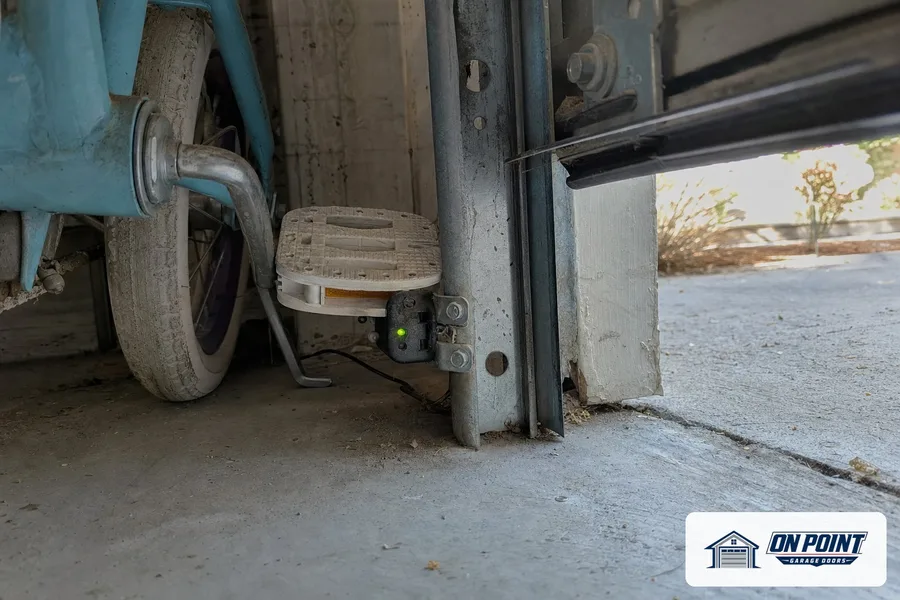
Safety sensor near the floor, from one of our jobs
Safety sensor near the floor
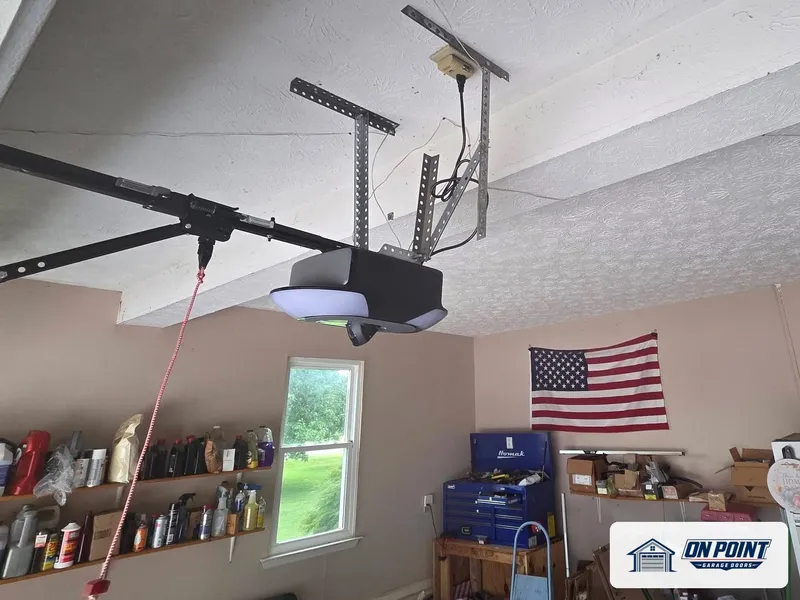
Opener on the ceiling, from one of our jobs
Opener on the ceiling
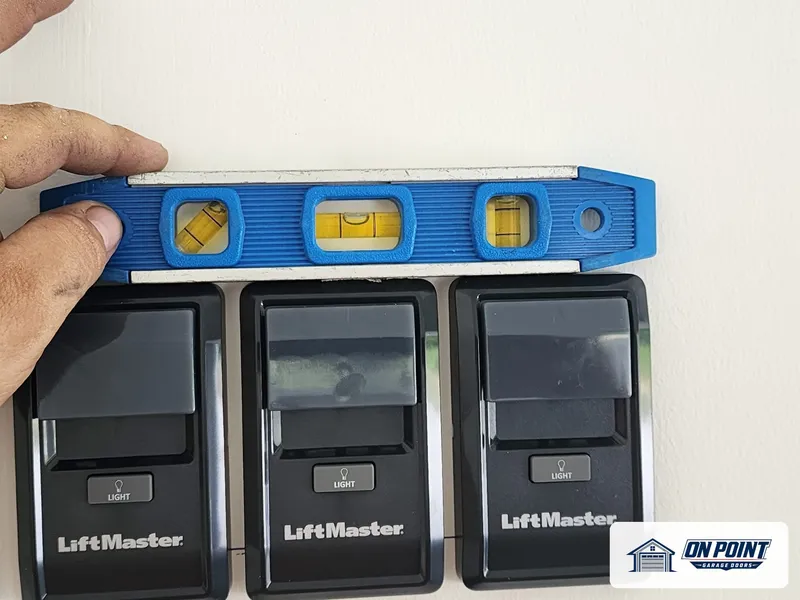
New LiftMaster remotes programmed by On Point Garage Doors
Keypad mounted high

The two safety systems every opener needs

  1. Photo eye sensorsTwo sensors near the floor send a beam across the opening. If anything breaks the beam, the door will not close, or it reverses.
  2. Contact reverseIf the closing door touches something, the opener reverses it.
  3. Both togetherA door should have both, and both should be tested regularly.

How to know the safety reverse works

The test is simple to watch: with the door open, an object such as a box is placed in the opening on the floor, and the door is closed. It should reverse when it touches the object, and it should refuse to close when the beam is blocked. If it does not, stop using the opener until it has been fixed. A technician tests both on every visit.

Older openers without sensors

Openers made before safety sensors were required may have no beam at all, and their contact reverse may be weak. If your opener has no small sensors near the floor on each side of the door, it should be replaced. That is one of the most important safety upgrades a home can make.

Wall buttons and remotes

Never race the door

Children sometimes try to run or slide under a closing door. Pets dash through at the last second. Teach children never to run under a moving door, and close the door only when you can see the whole opening clear.

Pinch points

Fingers can be caught between the sections of an older door as it bends around the curve of the track. Many newer doors have pinch-resistant joints that push fingers out. On older doors, keep hands away from the joints and the tracks.

Springs and cables are not for touching

The springs above the door and the cables at the sides hold enormous force. A broken spring or a snapping cable can injure anyone nearby. Keep children away from them, and never let anyone try to adjust them. If a spring looks broken, keep everyone out of the garage door area and call.

Pets in the garage

Pets often sleep or wait in the garage. A working photo eye keeps the door from closing on them, but only if it is aimed correctly and not blocked by a bed or a bowl near the track. Keep the area by the sensors clear.

Auto-close and smart features

Auto-close and phone control are convenient, but a door closing on its own needs working sensors and a warning. Openers that close automatically flash and beep first. Make sure those features are set up correctly, and that everyone in the house knows the door may move.

A balanced door is a safer door

A door with weak springs comes down harder and faster, and the opener may be set with too much force to make up for it. Balanced springs and correct force settings make the door gentler and the reverse more reliable.

What a safety check includes

The technician tests the photo eyes and the contact reverse, checks the force and travel settings, inspects the springs, cables and rollers, checks the wall control height and the remotes, and explains anything that needs fixing with a free estimate.

Garage gyms and play areas

Many families use the garage as a gym, a play space or a place for bikes and scooters. Keep the area around the door clear, store heavy equipment away from the tracks, and never let kids hang on the door or the tracks. A door with balanced springs and working sensors is the base of a safe garage.

Visitors and babysitters

Anyone who uses the garage while you are out, a babysitter, a grandparent or a dog walker, should know where the wall button is, how the lock mode works and that the door must not be closed with anyone under it.

Teaching kids about the door

A simple rule works best: the button is for grown-ups, and nobody walks under the door while it moves.

Questions we get asked

How do I know my garage door safety sensors work?

With the door open, block the beam or place a box in the opening and close the door. It should refuse to close or reverse. A technician tests it on every visit.

Should I replace an opener without safety sensors?

Yes. Openers without sensors cannot stop the door from closing on a child or pet.

How high should the garage door wall button be?

High enough that small children cannot reach it.

Are garage door springs dangerous?

Yes. They hold enormous force. Keep children away and never try to adjust them.

Is a safety check free?

The estimate is free, and the safety reverse is tested on every visit.

Booking takes a minute

Across Brooklyn, Queens and Long Island, tell us what the door is doing and we set a visit that fits your day.

Free estimate, call (929) 429-2429.

Not sure what is wrong? We will come and look

Tell us what the door is doing and we will give you an honest arrival time. The estimate is free.

Easier to explain by phone? Call (929) 429-2429.

Two minutes to a free estimate

Tell us what the door is doing. The estimate is free either way.

Or just call (929) 429-2429 and talk it through.

The other six things that go wrong