Takes 30 seconds. We call you back to set a time.
A garage door that closes partway and then goes back up is its safety system reacting: the opener lost the sensor beam or felt more resistance than it expected, so it reversed. Where the door turns around usually points to which one. Free estimate at (929) 429-2429.
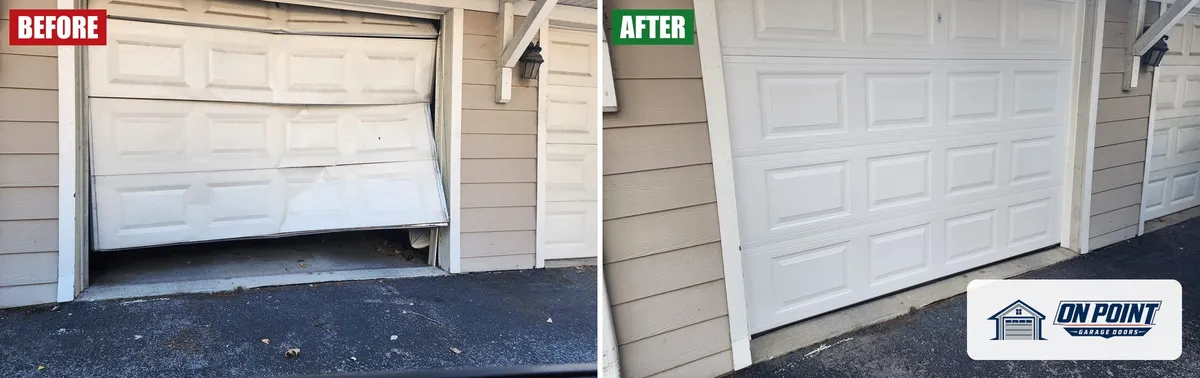
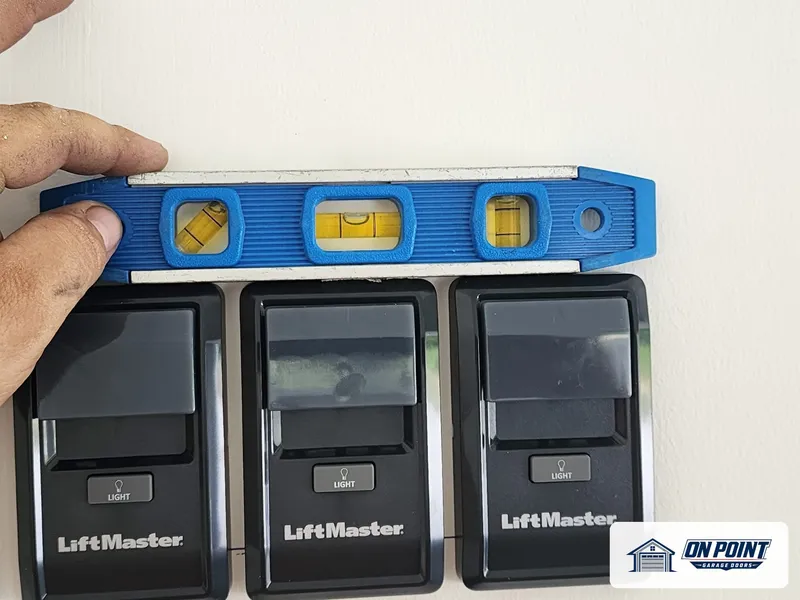
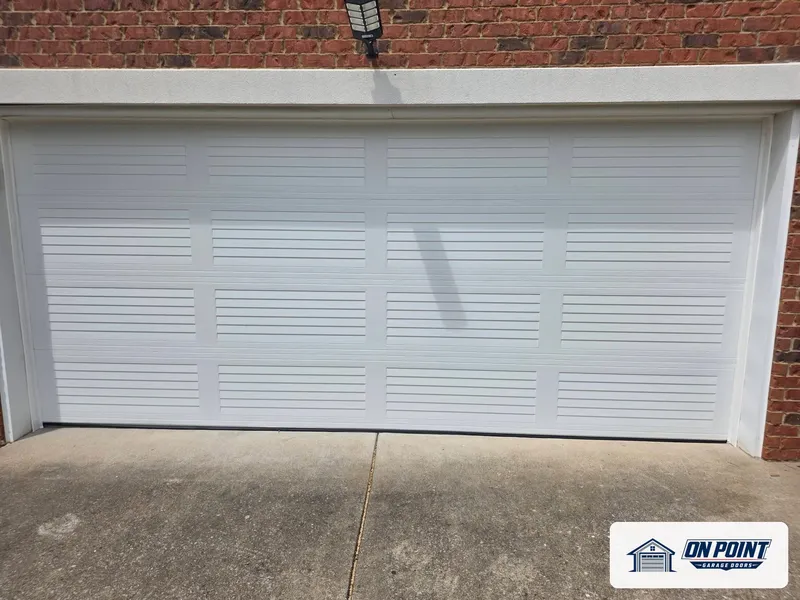
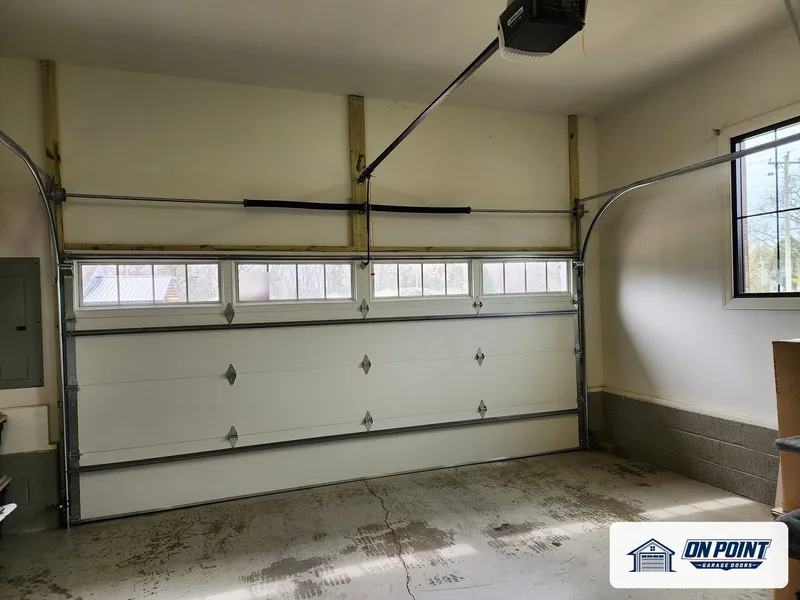
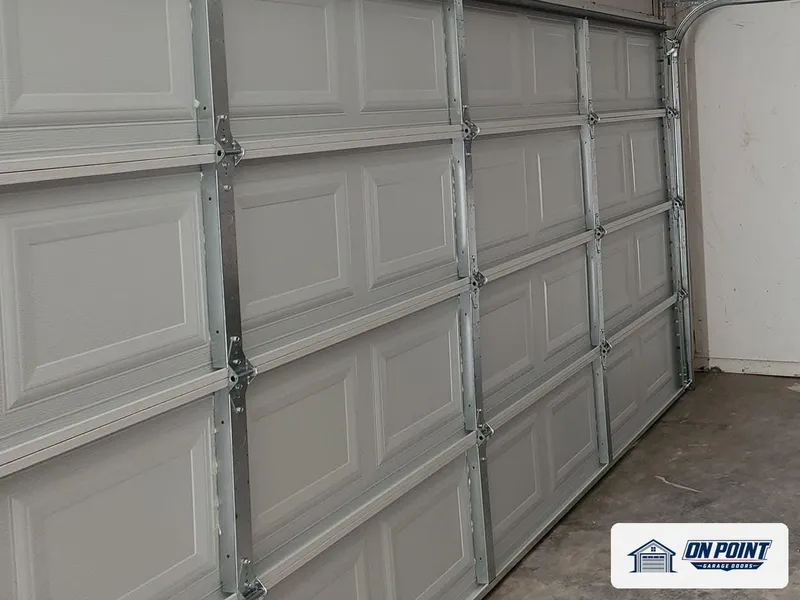
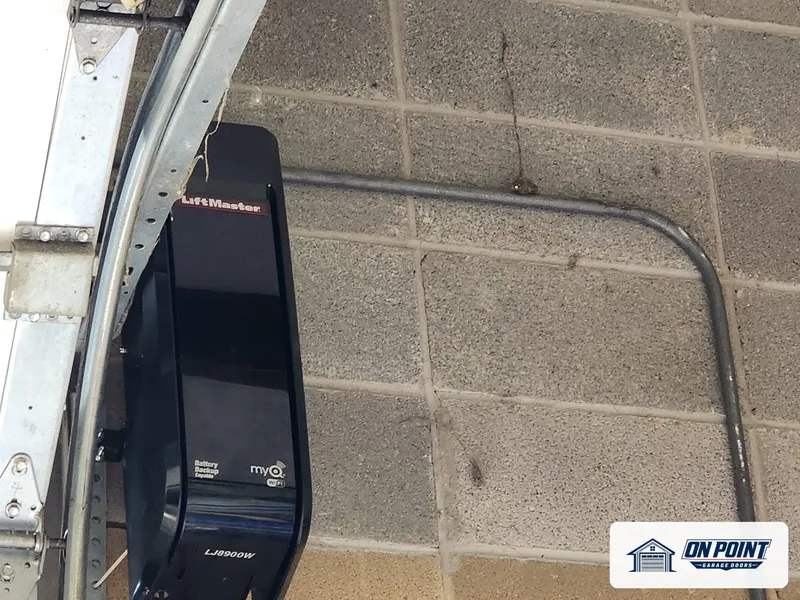
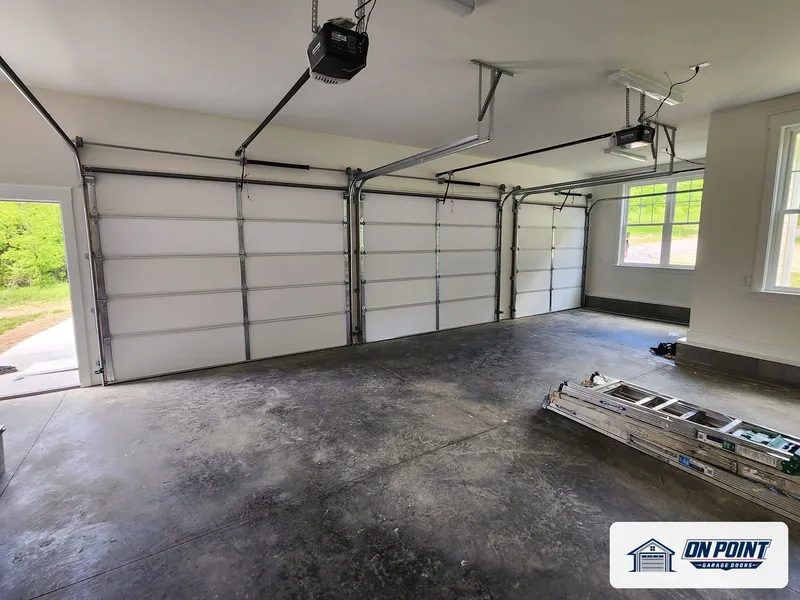
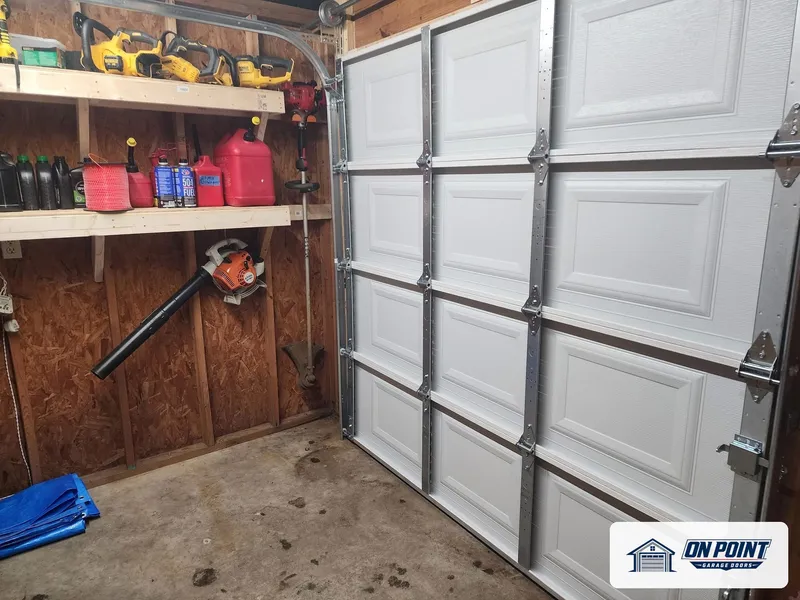
These photos are from our own jobs, with our logo on them.


Openers made since 1993 have to back off when something is in the way, and most do it two ways. Two small sensors near the floor watch a beam across the opening. The opener also feels how hard the motor is working. If the beam breaks or the door pushes back harder than expected, the door stops and goes back up.
So a door that keeps reversing is frustrating, but the safety system is doing its job. Either it is getting bad information, or something in the door really is fighting the opener. The work is finding out which.
The dangerous door is the one that doesn't reverse. A door that keeps pushing against a trash can, a bumper or anything else instead of backing off can hurt someone, and it can bend the door or knock it off its track. If yours does that, stop using the opener and call.

You don't need to test anything. Say which of these you see when you call, and the right parts ride along.


These are the usual causes.

The force setting is the first thing people find, and turning it up can make the door close again. It doesn't fix what was making the door hard to move. It only takes away the reflex that stops a door from pressing down on a person or a car. The same goes for bypassing the sensors. Please leave both alone.
Springs and cables are not a DIY job. They hold a few hundred pounds of door under tension, and they can seriously hurt you. If you see a gap in a spring coil, a frayed or loose cable, or a door hanging crooked, leave it closed and call. Keep children and pets clear, and don't drive under a door that is partly open.
The door first, then the opener. With the opener disconnected, the technician checks whether the door is balanced and moves freely, then looks at the springs, both lift cables, the rollers, hinges and track. If the door is the real fault, it gets fixed before the opener is judged.
Then the opener: the sensors, their brackets and wiring, the force and travel settings, the drive gear and the board. Before leaving, the technician confirms the door closes all the way and still reverses the way it should. You hear what failed and what it takes, with a free estimate before any work starts.
If it turns out to be the opener, see garage door opener repair. For the sensor lights and what they mean, see garage door sensor not working. For worn rollers or a frayed cable, see cable and roller repair, and for a weak spring, broken spring repair.

It is always the sensors. Often, but not always. If the sensors look aligned and the lights are steady, the cause is more likely in the door or the opener settings. New sensors won't fix a door that binds.
You need a new opener. Often not. A good opener that is reversing because of a bad roller or a weak spring works again once the door moves freely.
The opener reversed because it lost the sensor beam or felt more resistance than it expected. That is the safety system working. The cause is usually a sensor, a door binding in its track, a weak spring or an opener setting, and where the door turns around helps narrow it down.
Then the eyes are probably not the cause. A door that reverses with steady sensor lights is more often feeling resistance: a worn roller, a bent section of track, a spring that has lost tension, or a force or travel setting that has drifted. The technician checks the door first, then the opener.
Usually the opener thinks it has reached something. The down travel setting may be off, the floor may have shifted, or something at the threshold is meeting the door early.
A door that reverses is still protecting you, but it is telling you something is wrong. Stop pressing the button if it is getting worse, if it sounds different, or if a spring or cable looks broken. Don't drive or walk under a door that is partly open.
Yes. You hear what is wrong and what it takes before any work starts.
Around Brooklyn, Queens and Long Island, one call gets you a two-hour slot and a heads-up call before the technician sets off.
Free estimate, call (929) 429-2429.
Tell us where the door turns around and we'll give you an honest arrival time. The estimate is free.
Easier to explain by phone? Call (929) 429-2429.
Tell us what the door is doing. The estimate is free either way.