Takes 30 seconds. We call you back to set a time.
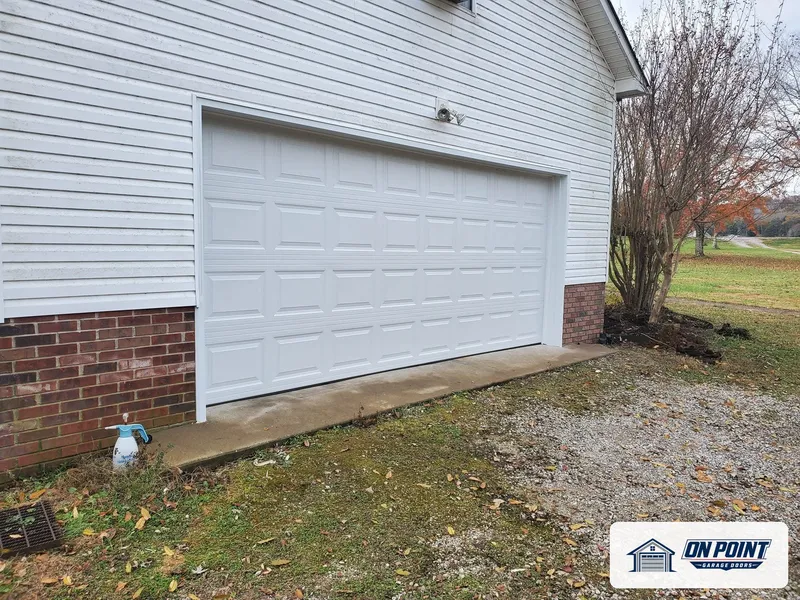
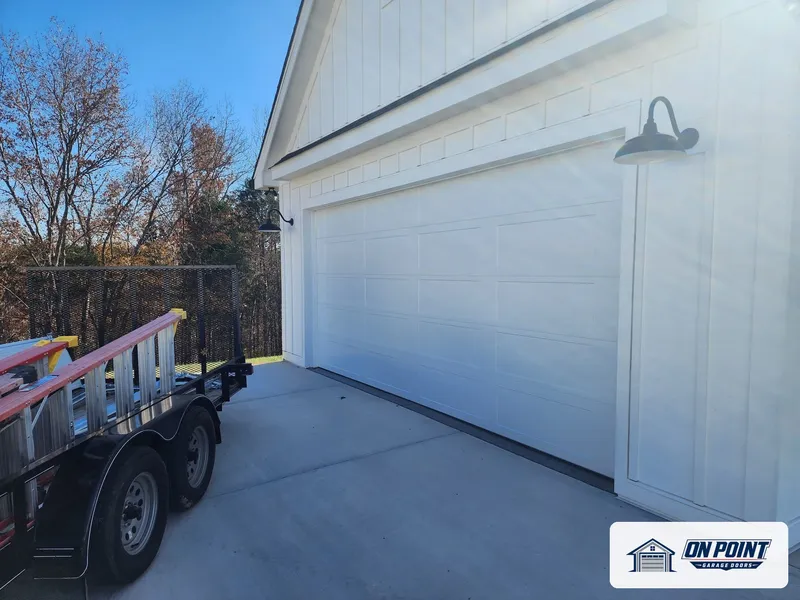
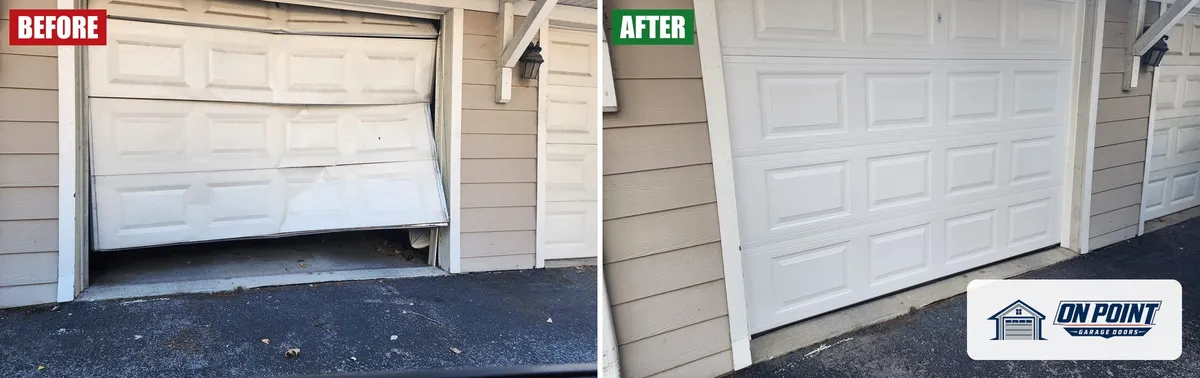
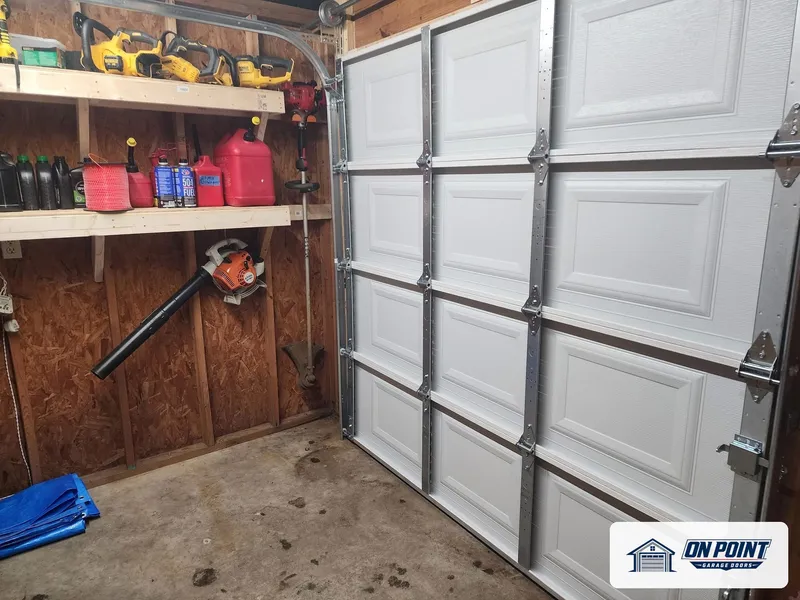
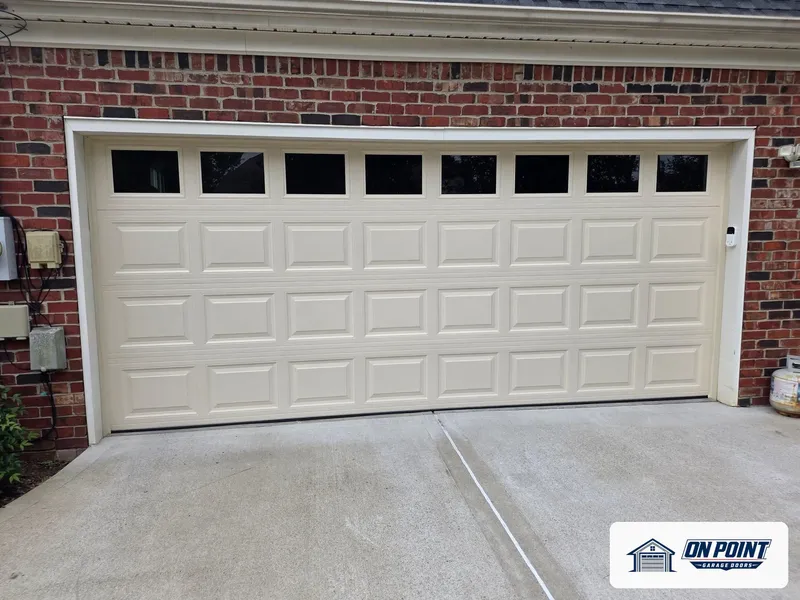
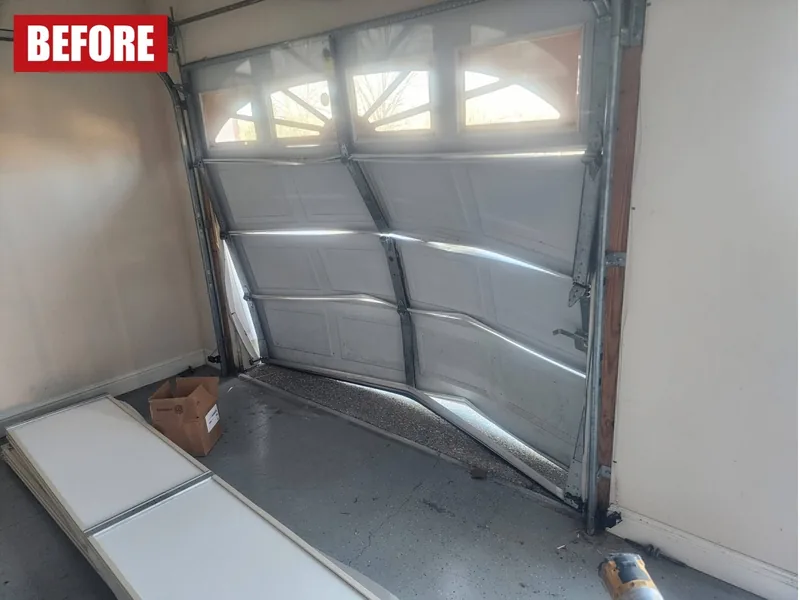
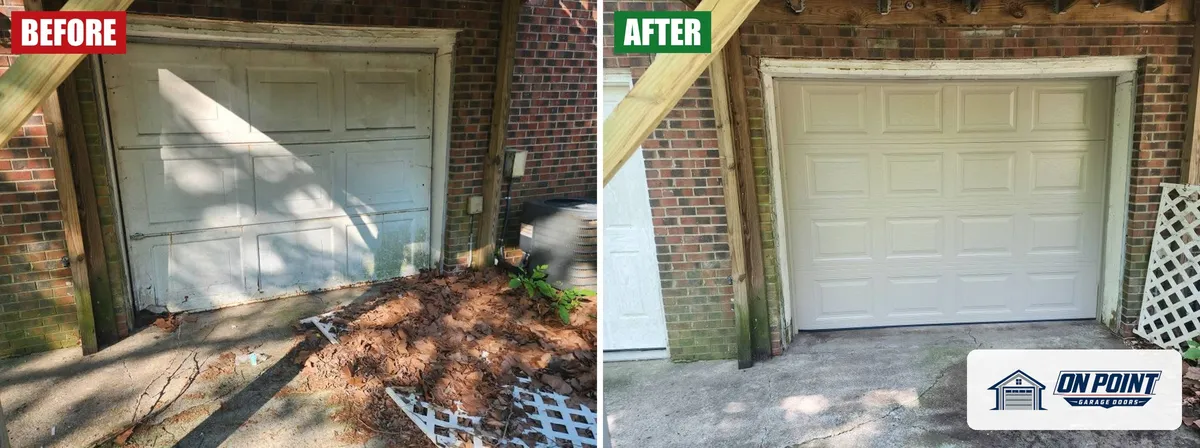
These photos are from our own jobs, with our logo on them.


Garage door repair in St. James for the big colonials on wooded lots, the old estate houses and carriage barns near the harbor, the post-war ranches near the train, and the shops on the main avenue. Free estimate first.
The north side of the hamlet runs toward the harbor, where old estate houses still have carriage barns and stables turned into garages.
Those openings were built for wagons and horses, so they are rarely a stock size, and the doors on them are often heavy wood.
Estate houses lean toward carriage doors in stained wood, while the post-war streets mostly carry painted steel panels.
South of the railroad the lots get smaller, with ranches, capes and colonials from the decades after the war.
Two-car attached garages are the rule there, many with the original torsion springs still on the header.
The little station on the Port Jefferson line is one of the oldest on the Island, and the shops along the avenue sit a short walk from it.
Back doors behind those storefronts open onto small lots shared by deliveries and staff.
Weekend riders and cyclists slow the harbor roads, so the truck plans its route around them.
Horse farms and riding stables still dot the roads toward the harbor, with barn doors and tack rooms that get daily use.
Big oaks shade most driveways, and storms bring limbs down onto doors and roofs.
Some carriage barns still have sliding doors that were later swapped for overhead doors with mismatched springs.

Estate barn, two-car colonial or shop door on the avenue, the door gets a full look before any number comes up.
Owners restoring an old barn often want a door that keeps its look but runs on modern hardware.


Carriage barns and old stables. Odd-sized openings, wood doors and hardware added long after the barn was built.
Track and springs are chosen for the opening as it really is.
A heavy door that creeps down after you raise it is often running on a spring that has gone weak.
Two-car colonials. Wide doors whose springs and cables carry far more weight than a single door.
Both springs go on as a matched pair.
Ranches near the tracks. First-generation openers and rollers worn flat on one side.
A worn opener is tested before anyone talks about a new one.
A keypad by the barn door lets stable hands in without a remote.
Stables and farm buildings. Doors swung open every morning in dust, hay and mud.
Sealed rollers and heavier hinges hold up better in a barn.
An insulated door keeps a barn workshop or tack room more comfortable through the winter.
If a limb has come down on the door, keep it shut and leave the opener alone until it is checked.
Tractors and trailers backed into barns catch the jamb, so end hinges and the vertical track are inspected.
St. James is on the North Shore end of our Suffolk route, and the same crews also work across Brooklyn and Queens.
Whatever you tell us about the barn, the estate garage or the shop is passed to the technician.
A door that will not close, or a car shut inside, is seen before tune-ups.
If the garage is at the end of a long gravel drive, say so when you book.
Winter. Snow slides off steep barn roofs and piles hard against the bottom of the door.
Mud from paddocks and gravel drives builds up in the bottom track over the wet months.
Spring. Pollen and catkins from the oaks coat the tracks and the opener rail.
Summer. Barn doors stand open from first light for horses, mowers and hay.
Fall. Acorns and wet leaves pack into the bottom track and jam the rollers.
His first look is at the opening itself, because old barns and estate garages are rarely square.
On barn openings he measures the header and the side room before choosing track.
Anything worn is shown to you and written on a free estimate.
Springs are sized for the real weight of a heavy wood door.
On barns, the header and jambs are checked for rot before new track is hung.
The safety reverse gets tested with a block of wood under the closing door.
Broken springs and old cables are carted off.
Before leaving he has you run the door from the remote while he watches the cables wind evenly.
If a horse trailer or a tractor sits near the door, say so and he works around it.
He calls ahead before he turns in.
Nothing is touched until you agree.
If springs and rollers will keep the old door going, that is all he suggests.
Heavy wood doors and old framing set the pattern for most repairs here.
A broken spring on a solid wood door leaves a weight no one should try to lift; keep it closed and call us.
High-cycle springs suit barn doors that open many times a day.
Cables wear thin where they wrap the drums on wide, heavy doors, and they are changed in pairs.
Drums and center bearings get checked on the same trip.
Photo eyes are set on solid wood and kept clear of saddles, buckets and tools hung by the door.
Track hung on soft barn framing is moved to sound wood or a new jamb.
Bent track from a limb strike is straightened or swapped.
The opener is run alone first, so a good motor is never blamed for a heavy door.
A jackshaft opener on the wall frees up the ceiling in tall barns.
Tell us if the door is on a barn or a stable.
The estimate is always free.
Describe the door, choose a time and get the estimate free.
Call us at (929) 429-2429.
Say what the door does and where it sits, and a free estimate follows.