Takes 30 seconds. We call you back to set a time.
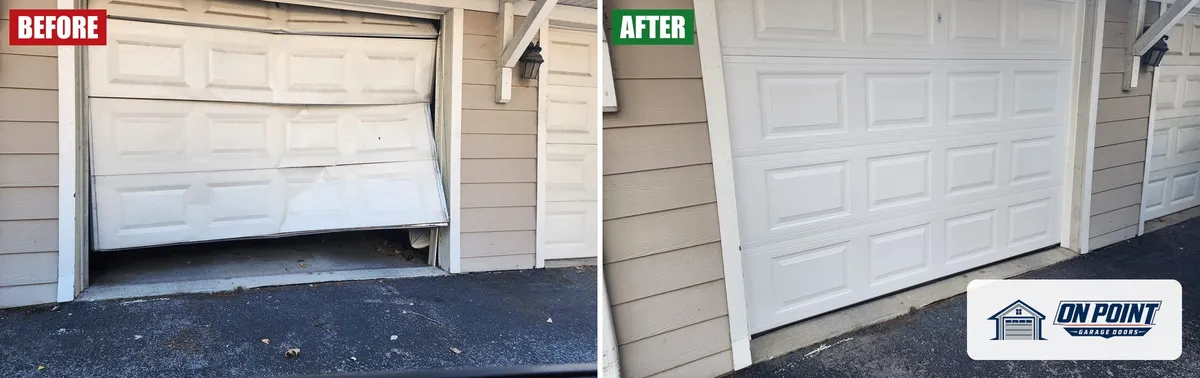
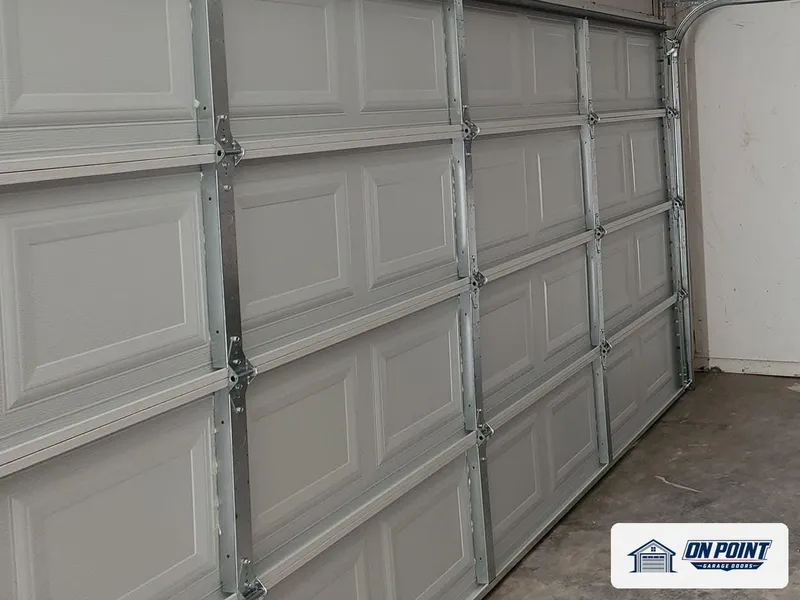
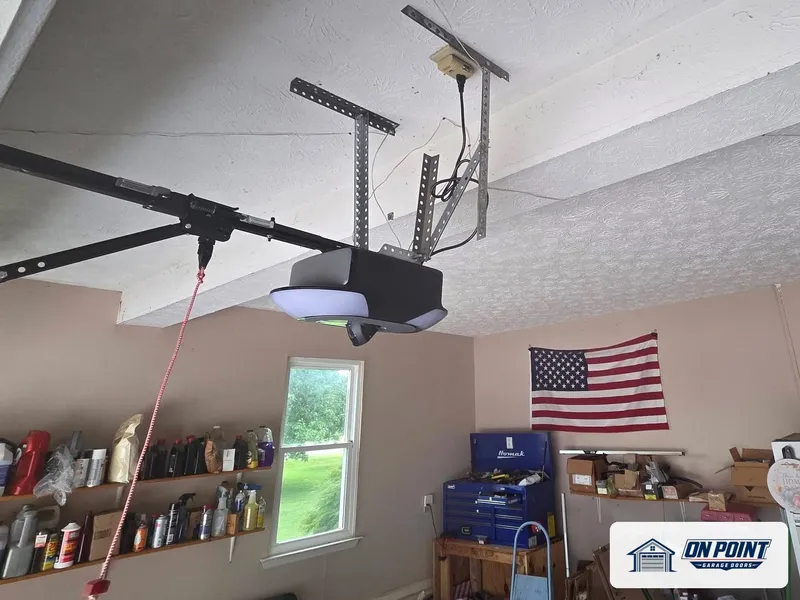
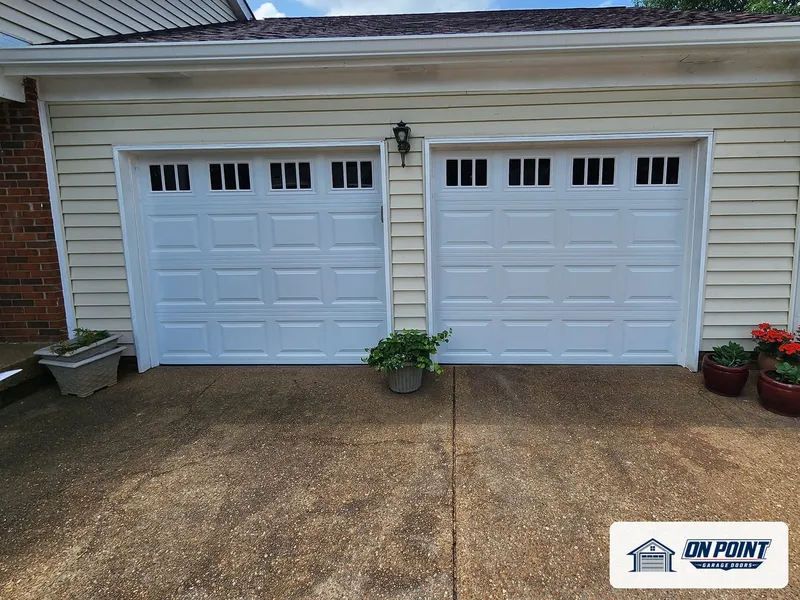
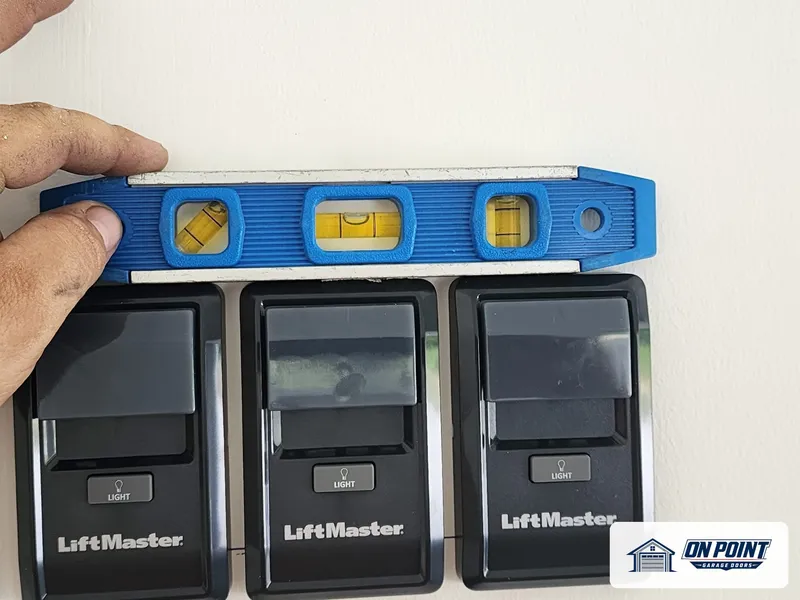
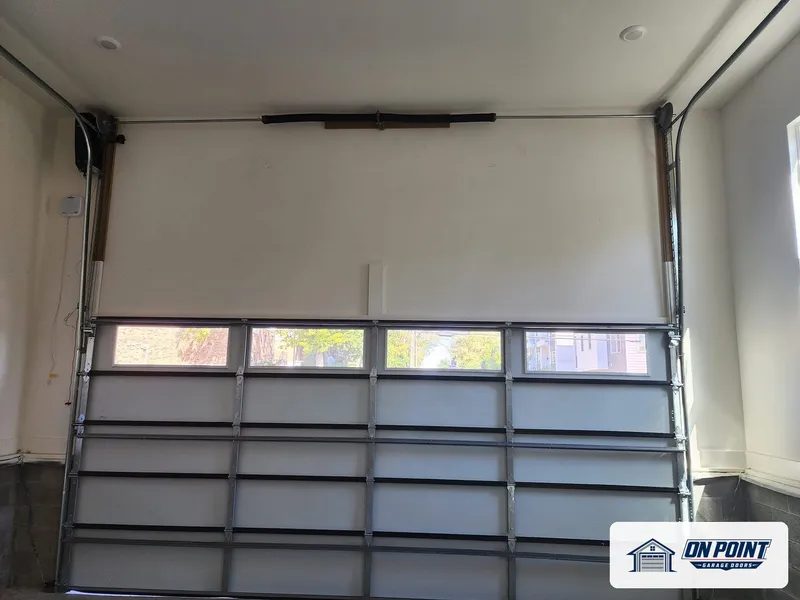
These photos are from our own jobs, with our logo on them.


Garage door repair in Shirley, from the streets around William Floyd Parkway and Montauk Highway down toward Narrow Bay and the bridge to Fire Island. Converted bungalows, ranches, newer colonials, boat storage and small shops all get a look at the door and a free estimate first.
The developer who gave this community its name sold modest lots to city families who wanted a small place near the water. Many of those cottages were later enlarged, raised or replaced, so one street can hold a tiny original bungalow, a seventies ranch and a tall recent colonial with a wide garage underneath.
Additions built at different times produce openings that are rarely textbook. A garage may have been added beside the cottage with a low roof, or converted from a carport with posts that were never meant to carry a spring bracket. He checks what the hardware is fastened to as carefully as the hardware.
Toward the south the land is low, the marshes of the Carmans River and the wildlife refuge lie to the west and the bay is close enough to smell. Damp air and the occasional high-water event reach the bottom few inches of a garage first, which happens to be where cables, brackets and sensors live.
North of the highway the conditions are more ordinary inland ones: sandy yards, open exposure and doors that have simply done many years of service. The right repair therefore depends on the block as much as on the town, and he does not assume every rusty hinge means a flood.

A small outbuilding full of fishing gear and a high door over a center-console boat share little except the sea air. He measures the door in front of him and asks what has to fit through it before suggesting parts.


Garages added to bungalows. Shallow rooflines leave little headroom, and some of these doors run on low-headroom double track with cables that take an unusual path. When such a setup jams, it is easy to misread, so he traces the cable from bracket to drum before touching the tension.
Boat and trailer bays. An extra-tall door needs more cable, more track and springs wound for more turns. If it was extended or swapped without recalculating those, it may float at one height and fall away at another. That imbalance shows up plainly when the opener is disconnected.
A trailer tongue or an outboard skeg meets the lower section more often than a bumper does, and the dent is usually right at track height.
Raised houses near the bay. With the living floor lifted, the space underneath often becomes parking and storage behind a broad door in a lightly finished opening. Wind moves freely under a raised structure, so struts, jamb fastenings and track brackets earn extra attention. Openers, outlets and controls are safest high on the wall, well above where water has reached before.
Storm and plow hits. A branch, a drifting trash can in high water or the edge of a plow can push a track toward the car. Look, but do not test it by running the motor, because the opener is strong enough to drag a trapped door farther out of shape.

The south shore of Brookhaven is part of our Long Island territory. We also cover Brooklyn and Queens, for homes and for commercial buildings.
Mention whether you are north or south of the highway, how tall the door is and whether water has been in the garage, and those notes reach the technician before the visit.
With a storm on the way and a door that will not close, or with your vehicle blocked behind one that will not rise, ask for the call to be handled as urgent.
Winter. Wind crosses the bay with nothing to slow it and finds every loose weatherstrip. Salt from the air and from the roads works on the same bottom hardware, and a cable that looked merely brown in November can part during a January cold snap.
Spring. Boats come out of storage, often through a door that has not moved since fall. Dry bearings, seized rollers and rust-locked hinges announce themselves on that first trip, so it pays to try the door well before launch weekend.
Summer. Beach traffic fills the parkway on the way to Smith Point, and garages double as changing rooms and tackle shops. Wet gear hung along the tracks and coolers parked at the sensors cause many avoidable stoppages.
Fall. Tropical systems and coastal lows are the season's worry. Have the lock, struts, brackets and any backup battery tested early, and know how the household will secure the opening if the power goes out.
His first questions are about water and height: has the floor been wet, and what is the tallest thing that uses the opening. After that he inspects anchors and framing, weighs the balance, follows both cables and runs the operator through its safety tests.
Corroded parts are sorted into those that still hold their strength and those that do not. The free written estimate says which is which, and where a better coating or a higher mounting position would spare you a repeat, it lists that as a choice.
He replaces hardware with pieces suited to damp air and to the true size of the door. Cables and springs for very tall or low-headroom arrangements are sometimes special lengths, so a follow-up with ordered parts is possible and would be explained before you commit.
A boat door is watched through its entire height, not only the first few feet, and then balanced again by feel. With power restored, he proves the reversal and both photo eyes before handing back the remote.
Frayed cable, broken coils and corroded fasteners are picked up, which matters on a driveway where trailer tires and dogs will be walking next.
People here work early, fish early or commute a long way west, and the trailer may need to leave before anything else can happen. Share that when booking. He can plan for an empty bay, or work around a parked hull if there is safe room for a ladder on each side.
An old cottage door that still lifts true can stay, and the estimate will say so in writing.
Between damp air, odd openings and tall doors, three things decide the trouble here: corrosion, anchoring and geometry. A repair that handles only the part that snapped can leave either of the other two waiting.
Springs. Coils hung in a humid outbuilding rust along their tops where nobody looks. On tall doors they also carry extra turns and therefore extra stored energy. Both facts are reasons to leave a broken or sagging spring entirely alone.
Cables. The loop at the bottom bracket is the casualty near the bay. Stainless or galvanized replacements resist it, provided they are the right diameter and length for the drum, and the bracket under them is sound steel.
Safety eyes. Moisture inside a housing produces a fault that comes and goes with the weather, maddening for owners. He inspects splices and connections along the run and renews corroded ones rather than merely nudging the aim.
Tracks and anchors. A track is only as steady as the post behind it. Softened wood near the slab, screws rusted to needles and brackets floating on paneling are corrected so the rollers have a straight, rigid path.
Openers. Tall doors may call for a longer rail or a shaft-mounted unit that keeps the center of the ceiling free for a mast or a cabin top. He confirms lift height and weight against what the motor is rated for before recommending one.
Tell us the height if you know it, what is stored inside and what the door did last. South of the highway, add whether the house is raised.
Free estimates are available for cottages, houses, boat bays and stores on this part of the island.
Possibly. The answer lies in the wall and roof, since a taller door needs a raised header plus room above for track. Sometimes a high-lift track gains interior clearance without changing the opening at all. Measure the rig at its highest point, trailer included, and the technician can compare that with what the structure allows.
Not automatically, though it should be inspected. Salt keeps working after everything dries, inside cable loops, bottom rollers, hinges and the lower track. Sound parts can stay. Swollen fasteners, flaking brackets or wires with broken strands should be changed, because those are the pieces holding the lifting load at the corners.
Usually there is a way. Low-headroom track, a slim rail or a unit mounted beside the shaft can each suit a tight roofline, depending on side room and how the cables are routed. The framing also needs a solid place to take the mounting. He measures those clearances before naming a model.
That pattern points to water getting where current runs: a cracked housing, a green splice, a staple through the wire or condensation on a lens in a chilly damp garage. Moving the eyes alone rarely cures it. He tests along the wiring and replaces the bad connection or the eye, then checks the beam again.
It is worth evaluating. Doors below a raised floor can see pressure from both faces. Added struts, proper track brackets and fastenings into structural members all help, and some replacement doors are built to a wind-load rating. If the enclosure has flood vents or breakaway features, those must be left able to do their job.
Name a convenient window, say if a trailer has to move and describe the fault. The technician brings the rest of the questions with him, and the estimate is free.
Call us at (929) 429-2429.
Describe the opening and what went wrong near the water; a free written estimate is the result.