Takes 30 seconds. We call you back to set a time.
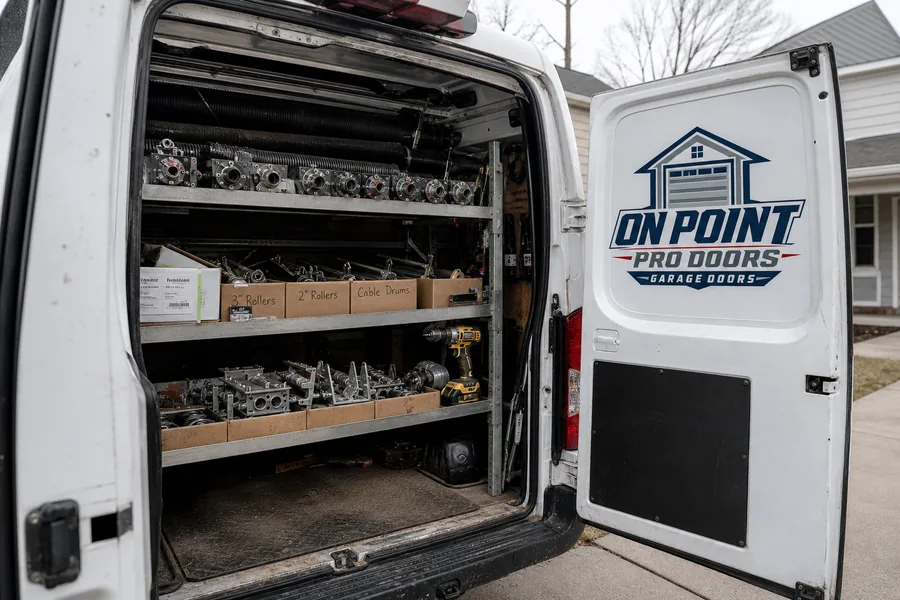
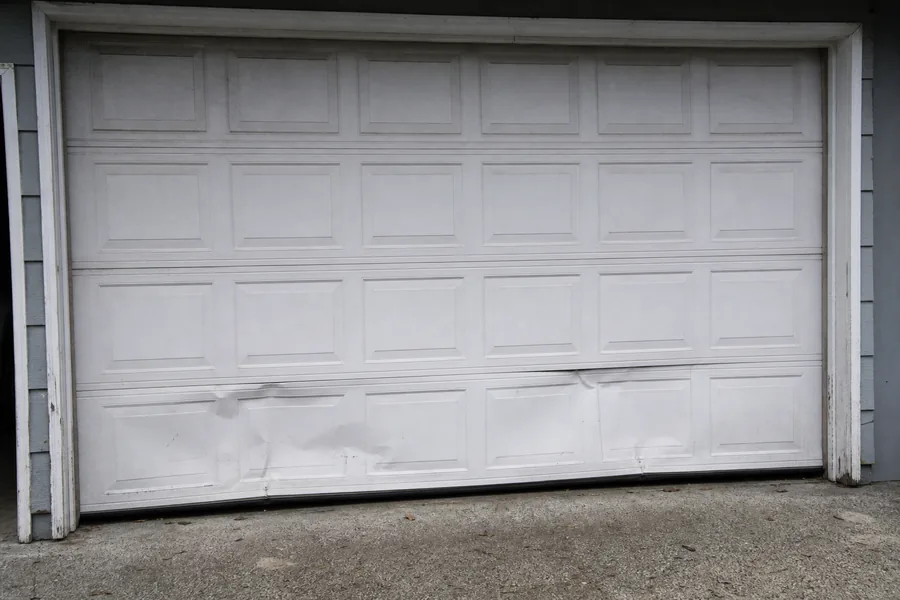
These photos are from our own jobs, with our logo on them.


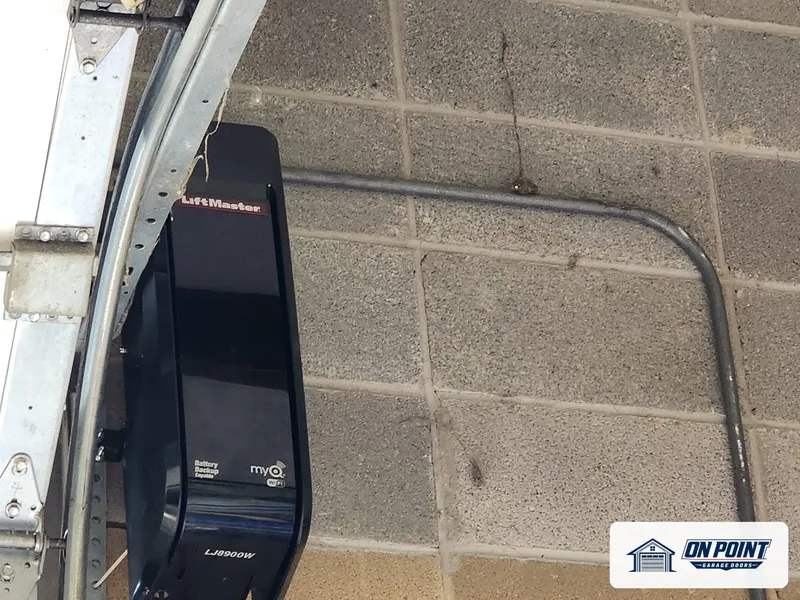
Repairs for LiftMaster openers around Babylon and the South Shore: rails and chains the bay air has worked on, safety eyes that lose each other, gears that have worn out. The estimate is free and comes before any work.
Houses this close to the Great South Bay breathe damp, salty air for most of the year, and a garage is rarely sealed against it. The steel rail rusts from the inside of its channel, the chain stiffens, and the small brackets that hold the safety eyes corrode until a passing bike or a car bumper knocks one out of line.
None of that stops an opener in a single day. It shows up as a door that grinds a little louder each week, then one morning reverses for no reason anyone can see.
A garage that stays damp after a storm is harder still on an opener, since its board and terminals dislike moisture as much as its steel does.

An opener call is one of six kinds of repair we do here, with the common parts carried on the truck.


The South Shore is part of our regular ground, along with the rest of Long Island, Brooklyn and Queens. Whoever comes out inspects opener and door as one system, explains the fault without jargon, and puts the estimate in front of you before any tools come out.
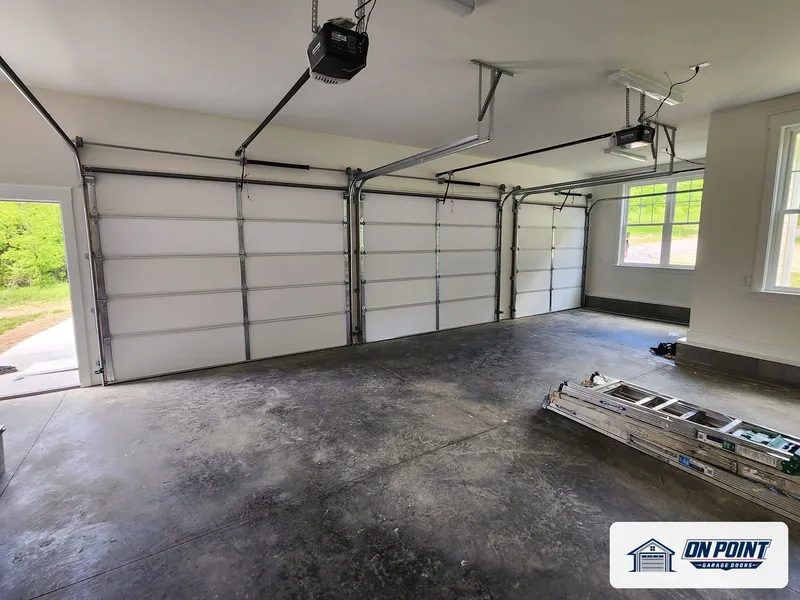
Whatever hangs from the ceiling gets the same look, whether it is a LiftMaster, a Chamberlain, a Genie, a Craftsman, a Linear or a Marantec, and so do the Clopay, Amarr and Wayne Dalton doors that ride below them.
We work across Suffolk and Nassau, and in Brooklyn and Queens. If you are not sure your street is included, the service areas page lists the towns.
By design, a home opener backs off the moment a closing door meets resistance, and refuses to keep closing when something breaks the invisible beam between the two eyes at the bottom of the tracks. Corrosion attacks exactly these parts: the eye brackets, their thin wires, and the terminals at the head.
So both tests close out every visit, run while you watch. A door that fails one is not done, whatever brought the technician out in the first place.
A LiftMaster tells you a fair amount about itself if you know how to listen to it.
A grinding run followed by a motor that hums in place points at the main gear. A door that reverses at the same spot every time points at the travel limit or the force setting. A door that reverses at random usually means an eye bracket has shifted or a sensor wire has corroded through.
Remotes that only work from the driveway may have nothing wrong with them at all. The antenna wire at the head can corrode or be knocked loose, and the technician checks it before anyone is sold a new remote.
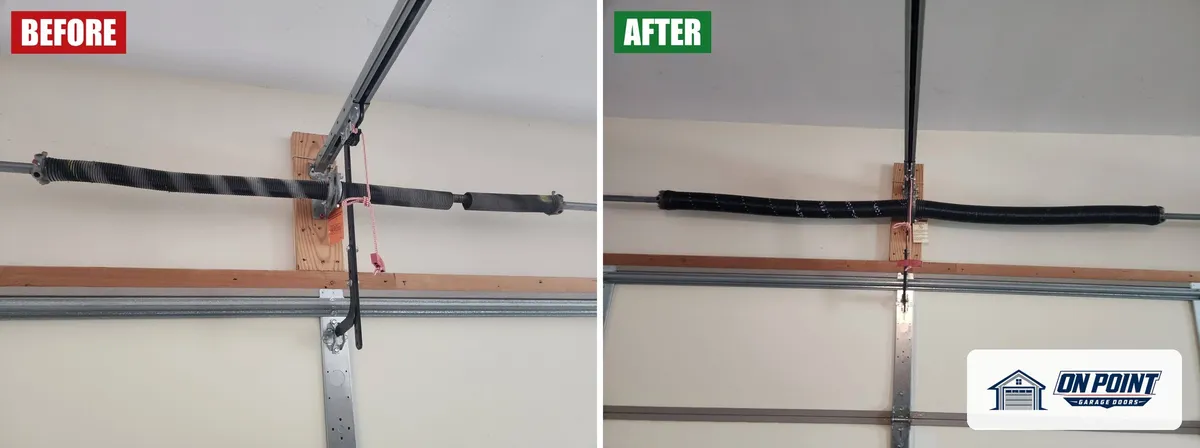
The door has the final say. Springs that have lost their pull, cables fraying at the bottom brackets where rust starts, and rollers seized in their tracks all make the opener work harder, and a strained opener fails sooner. Those parts are checked on every opener call, and anything worn is pointed out to you while you are standing there.

Chain drives in older detached garages, belt drives in garages under bedrooms, and the wall-mounted units in garages with no room overhead. Parts for the common ones are carried; for an older model, you hear first whether parts can still be had, before any work is planned.
When an opener strains, stalls halfway, or sounds like it is hauling a boat up a ramp, the door under it is usually what changed. That is why the technician releases the opener and moves the door by hand before deciding anything about the motor.
If the door is heavy or crooked, you hear that first, with an estimate for the real fix. Putting a new opener on a door that fights it only brings the same call back later.
Most opener faults trace back to four places: the eyes, the gear, the board and the travel limits. Each is a repair rather than a replacement, and the usual LiftMaster parts ride along on the truck.
A head with a cracked housing, a burned motor, or a board that is no longer made is the exception. Then you hear the options, and nothing changes until you have chosen one.
A quick description over the phone does the job: what the door does, and the noise it makes doing it. That is usually enough to pack the right gear or board before the trip.
Free estimate, and no pressure to go ahead.
Let us know what the door is up to, and a visit gets booked around your week. Free estimate included.
Prefer to talk? Call (929) 429-2429.
Tell us what the door is doing. The estimate is free either way.