Takes 30 seconds. We call you back to set a time.
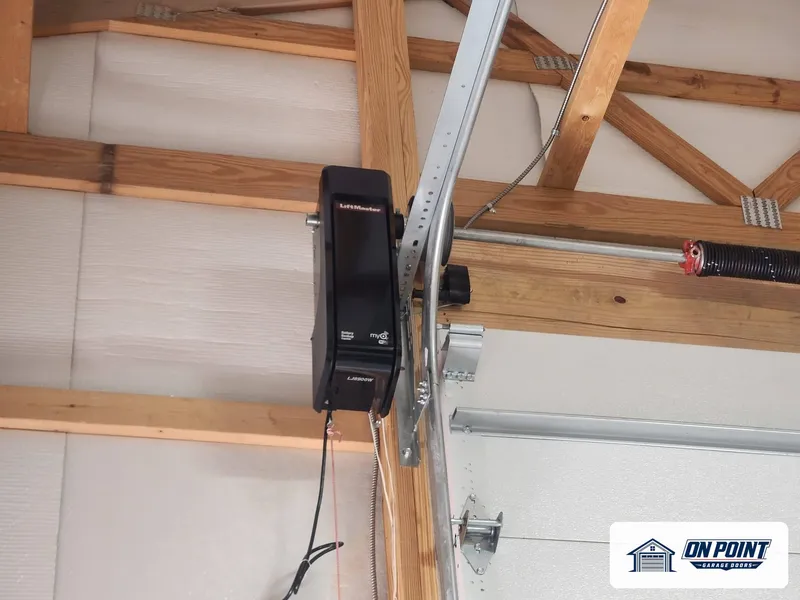
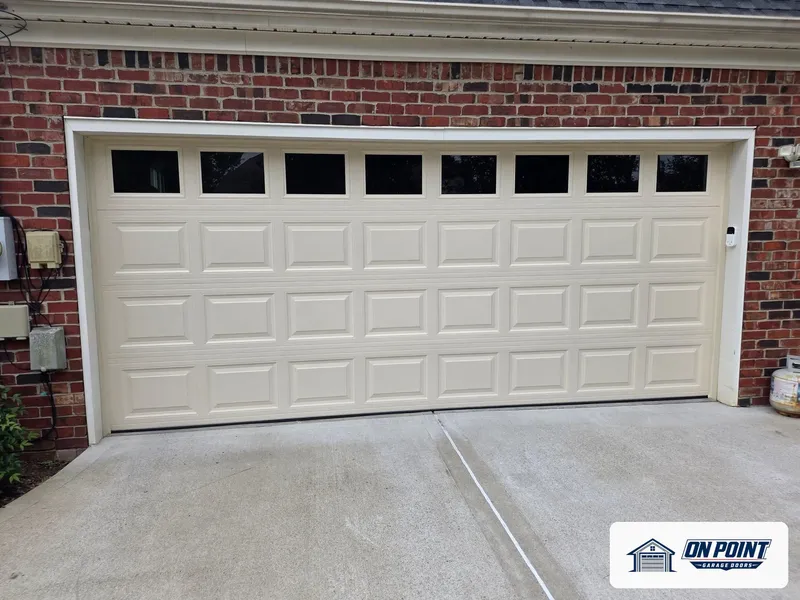
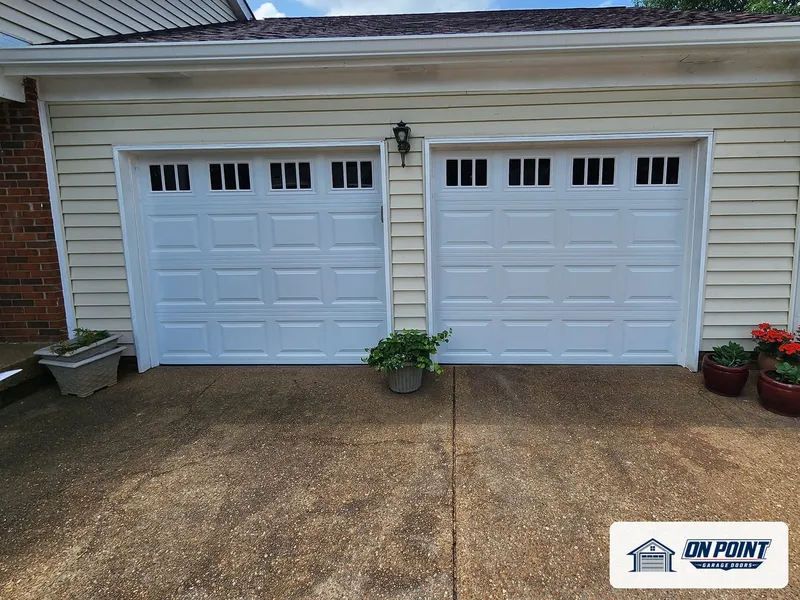
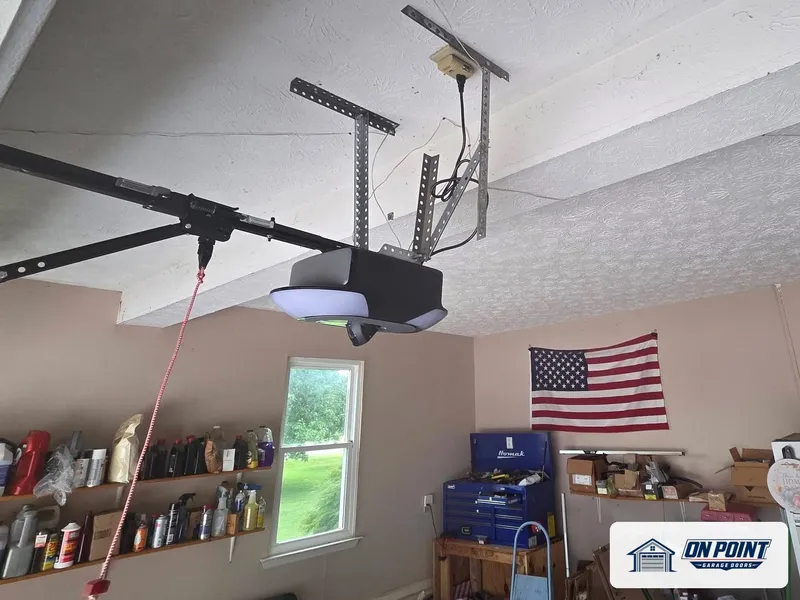
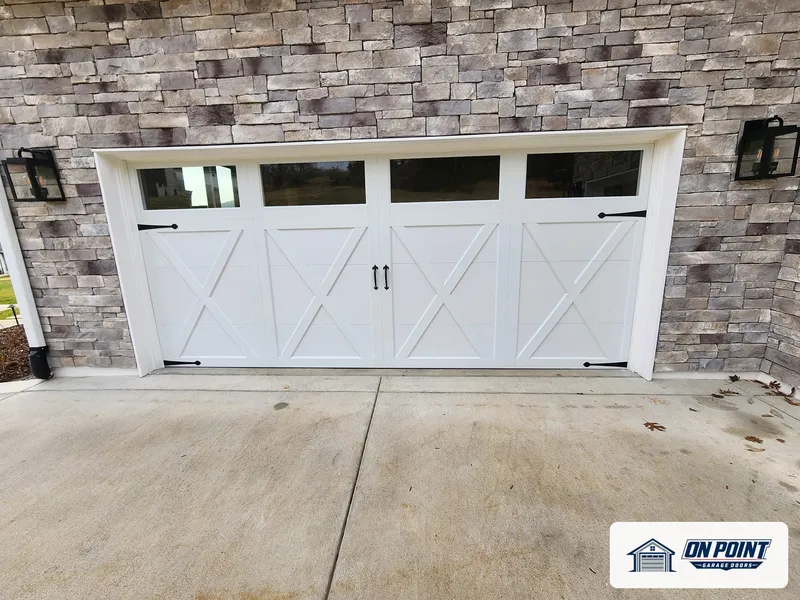
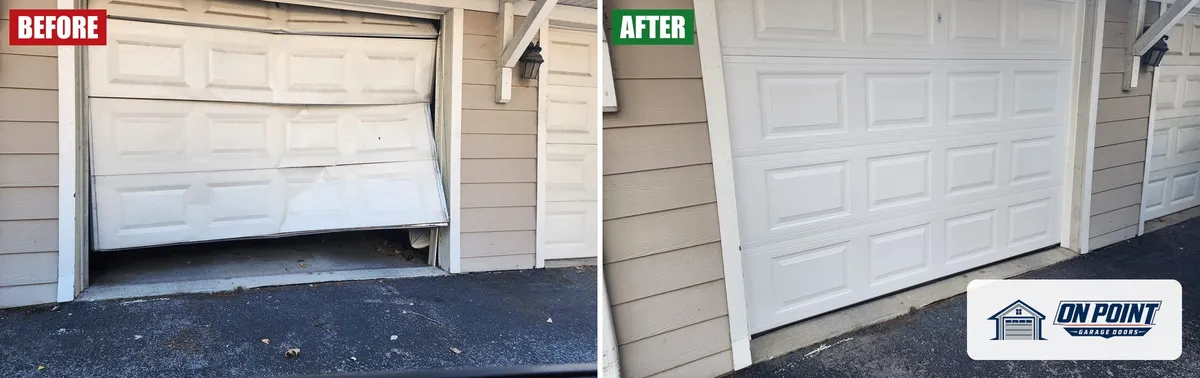
These photos are from our own jobs, with our logo on them.


Garage door repair in Sea Gate, the private gated community at the far western end of the Coney Island peninsula, for the detached houses with garages attached at the side or standing at the back of the lot. You get a look at the door and a free estimate before any work.
Unlike the rest of the peninsula, these streets are private. A residents' association looks after the roads and the entrance, and the community keeps its own private police. Water lies on three sides, with Gravesend Bay to the north and the Lower Bay to the west and south.
Many of the houses are detached, from large older frame homes with porches and deep yards to newer houses built over the years. Some have a garage joined to the side of the house, others a separate garage at the back of the lot reached by a private driveway.
At the western point stands the Coney Island Light, the old lighthouse at Norton's Point, a reminder of how exposed this spot is. Wind comes in over open water from almost every direction, and a garage door facing the bay takes the full force of a winter gale.
Behind the gate the streets are quiet, with little through traffic, so most doors here belong to homes. A family's garage door is often the main way in for cars, bikes and beach gear, and a door that fails keeps all of it shut in.

A large door on a garage that faces open water and a small door on a garage tucked behind a house wear differently, so the technician looks at exposure and use before naming parts.


Garages facing the water. A door on the bay side or the ocean side sees steady wind that pushes the sections inward and rattles the hardware. Reinforcing struts on the wider sections and snug rollers help a door resist that load, and he checks both while he is there.
Backyard garages at older houses. A separate garage at the rear of a big lot may have a wooden door, older track and a frame that has weathered for decades. Soft wood lets hinge screws and track brackets work free, so the jambs and header are checked before new parts are mounted.
Side garages joined to the house. When the garage connects to the home, the door is part of the building's shell against wind and cold. A worn perimeter seal, a gap at the top or a bottom seal that no longer meets the slab lets drafts and blowing grit inside.
Wide double doors. Larger houses often carry a two-car door, which weighs far more than a single and depends on matched springs on a long shaft. If one spring breaks, the other cannot carry the door, and it should stay closed until both are renewed.
Doors hit while backing out. Private driveways between houses can be long and narrow, and a car reversing toward the street can clip a jamb or a track. Keep the door closed after a knock and have the track looked at before it runs again.
The gated tip of the peninsula is inside our Brooklyn area, along with the rest of the borough, Queens and Long Island.
When you book, give the house address and the name to put on the visitor list at the entrance, and say whether the garage is joined to the house or at the back of the lot.
If the car is trapped inside or the door to a garage joined to the house will not close, mention it first, so the call is treated as urgent.
Winter. Northerly gales across Gravesend Bay drive the cold straight into bay-side garages, and a weak spring can give out in the first hard freeze. If the door will not move on a frozen morning, let the seal thaw instead of running the opener against it.
Spring. Wet, windy weather keeps the bottom of the door damp for days at a time. That is when the lowest section, the seal and the bottom brackets show the first rust stains or soft wood.
Summer. Beach days bring more cars, guests and bicycles in and out of the garage, and the door runs far more often. Humid air and strong sun are hard on opener boards and plastic gears in a garage without vents.
Fall. The first nor'easters arrive with the cooler weather. Before they do, it is sensible to have the track brackets anchored, the struts in place and the lock working on any door that faces open water.
He opens and closes the door once while watching from inside, then disconnects the opener and raises the door partway on its own. A door that drifts up or down is out of balance, which points to the springs rather than the motor.
Everything he finds is shown on the door and written on a free estimate in plain words, with safety items first. You decide what is done and when.
With salt water this close, he can suggest rust-resistant springs, hardware and sealed rollers whenever parts are renewed. Springs are sized to the real weight of the door, and anything uncommon is ordered only after you agree.
When the job is finished, the door is stopped at several heights to show it stays put, and the reverse is tested against an object and through a blocked photo-eye beam.
Worn parts and wrapping leave on the truck, and the driveway is left clear.
Visitors and trucks are checked at the entrance, so please add the technician to your guest list for the visit. Tell us where the truck can park on your street or in your driveway without blocking a neighbor.
You get the estimate first and choose what goes ahead.
Wind and water set the pace of wear on these doors. The parts that carry the most load or sit closest to the ground give out first.
Springs. A spring that has lost steel to rust can break without warning, and a broken one leaves the door as dead weight. Leave a door with a snapped spring closed and do not let the opener try to lift it.
Cables. The ends at the bottom brackets sit in damp air and blown grit. Broken strands near the loop are the warning sign, and both cables are changed together.
Safety eyes. Beach chairs, coolers and bikes stored near the opening knock the sensors off aim. He mounts them firmly so the door closes reliably.
Tracks. Wind pushing on a closed door strains the track brackets, and a bracket that works free lets the track shift. Bent track is replaced instead of hammered straight.
Openers. A wide, heavy door needs an opener with enough strength and correctly set force and travel. If yours is worn out, he explains suitable replacements, including quiet belt drives for garages joined to the house.
When you call, say whether the door is single or double, joined to the house or standing apart, and what it is doing.
Free estimates for homeowners behind the gate and across Brooklyn, Queens and Long Island.
Add the company name to your guest list with security before the visit, and give us the exact address when you book. If anything changes, let the gatehouse know, so the technician can go straight to the house without waiting at the entrance.
No. A double door is balanced by both springs together, and the remaining one cannot carry the weight safely. The door should stay closed until the technician replaces both springs as a matched pair, since the older one is usually close to failing too.
Usually, yes. Galvanized springs, stainless or coated fasteners and sealed nylon rollers hold up better in salty, damp air than bare steel parts. They are worth asking about whenever springs, cables or rollers are being renewed anyway.
A door that sits still for a long stretch can stiffen, and rust can take hold on springs and cables without anyone noticing. A check of the balance, cables, rollers and the opener's safety reverse before the warm months catches a weak part before the garage gets busy.
They can make a real difference. A new bottom seal that meets the slab, weatherstripping along the sides and top, and an insulated door all cut down on drafts and grit. The technician checks where the air gets in and suggests the seals that suit your door.
Tell us the address, the guest-list name and what the door is doing, and we will arrange a visit that suits you. The inspection and the written estimate are free.
Call us at (929) 429-2429.
A quick description of what the door does is all we need to start; the written estimate is free.