Serving Brooklyn, Queens and Long Island(929) 429-2429Open six days a weekFree estimateGuaranteed work
On Point Garage Doors
Open 24 hours Sun-Thu, Fri until 5 pm Free estimate Springs, openers, cables We come to you
Emergency?Call nowBook free estimate
New York, NY - open six days a week

Rolling door seals

Free estimateSame-day serviceCommon parts on board
  • Free estimate
  • Same-day service
  • Common parts on board
Emergency garage door repair★★★★★ 5.0 on Google · 42 reviews

Book your free estimate

Takes 30 seconds. We call you back to set a time.

Or just call (929) 429-2429 and talk it through.

Home › Rolling Door Seals

A rolling steel door keeps out weather in three places: along the floor, down both sides and across the top where the curtain rolls into the hood. Each spot has its own seal, and each one wears in its own way. When they go, a warehouse loses heat, a shop floor gets wet, and dust, leaves and mice find their way inside. This page covers the seals on rolling doors and roll-down gates, what each one does and what we look for when a door has started letting the outside in. Free estimate at (929) 429-2429.

By Sean Cohen, owner, On Point Garage Doors · Updated

Real jobs. Real photos.

These photos are from our own jobs, with our logo on them.

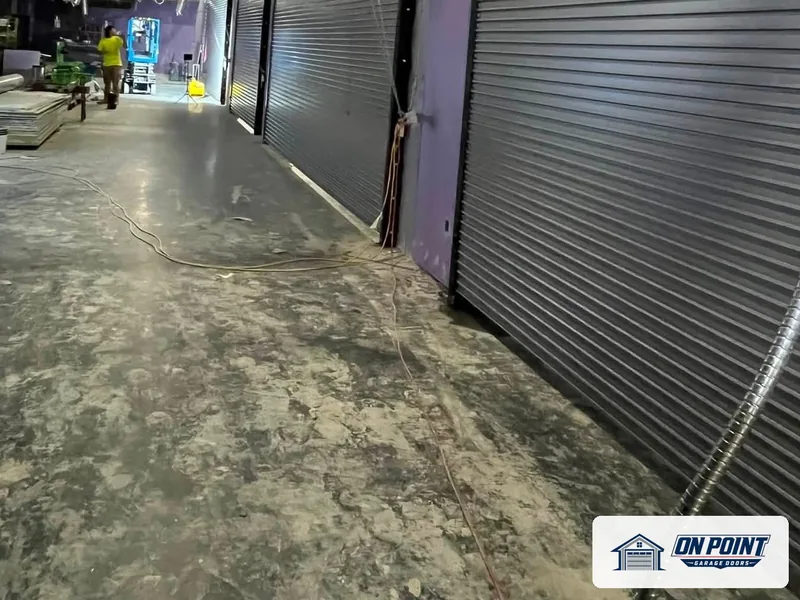
Rolling steel doors on a building, from one of our jobs
Rolling steel doors on a building
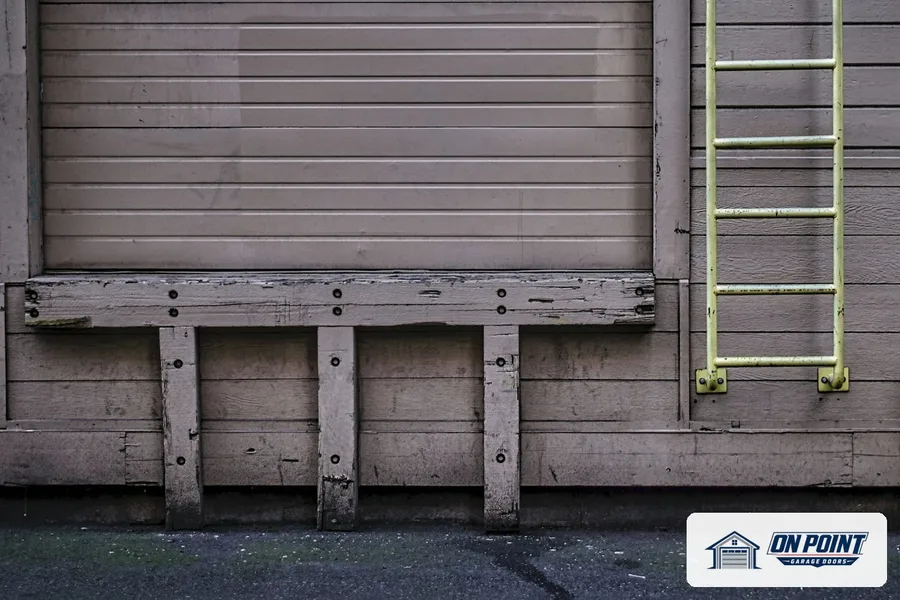
Roll-up door at a loading dock, from one of our jobs
Roll-up door at a loading dock
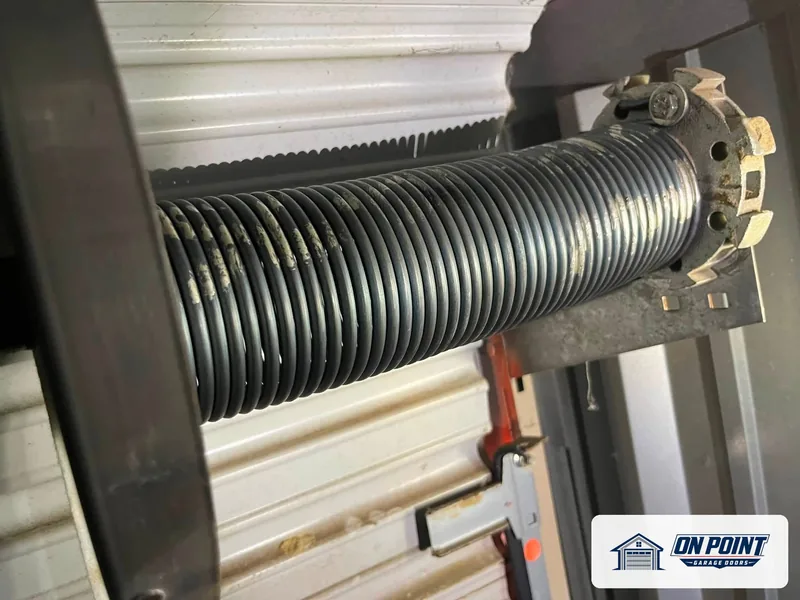
Spring inside a roll-up door, from one of our jobs
Spring inside a roll-up door

Three places air and water get in

  1. The floorA rubber or vinyl seal on the bottom bar meets the slab when the door closes.
  2. The sidesSeals inside or along the guides close the gap between the curtain and the steel channel.
  3. The topA baffle or seal at the hood stops air from pouring over the coil.

The bottom seal

The bottom bar of a rolling door carries an astragal, a strip of rubber or vinyl that presses against the floor. It takes the most abuse of any seal on the door. Every closing squeezes it, carts and forklifts roll over it, and water and salt sit against it all winter. A worn one flattens, splits, shrinks back from the ends or tears where it has been caught. Our main page on rolling steel door repair covers the bottom bar itself; the seal is the part that wears first.

Guide seals

The curtain runs up and down inside steel guides on each side of the opening. There is always a small gap between the slats and the guide, because the curtain has to move freely. On doors that need to hold back weather, a strip of pile or vinyl is set in the guide to close that gap. When it wears or falls out, daylight shows down both sides of a closed door, and wind whistles through.

The hood baffle

At the top, the curtain wraps around a barrel inside the hood. Where the curtain enters the hood there is a gap, and air moves through it freely. A baffle, often a flap of rubber or a strip of pile, hangs across that gap. Many older doors never had one. On a heated building, adding a baffle can make a real difference to drafts at the top of the opening.

Signs the seals have worn

Uneven floors and shifting slabs

A bottom seal can only close the gap it meets. On older buildings, the slab is often lower at one end, cracked or patched. A thicker seal, a different profile or a new bottom bar can follow a floor that is not level. Sometimes the slab or threshold itself needs work before any seal will close the gap. We look at the floor before choosing the seal.

Doors that see heavy traffic

On a loading dock or a busy service door, seals wear out far faster than on a door that opens once a day. Forklift wheels, pallet jacks and frozen ground all chew at the bottom seal. For these doors we look at tougher seal material and a sturdy retainer that holds it, so the seal can be changed without changing the bar.

Seals near the water

Along the waterfront in Brooklyn and Queens, and on the South Shore, salt and sand work into every seal. Rubber dries and cracks, the steel retainer rusts, and sand in the guides wears the pile. A seal job near the water often includes a look at rust on the bottom bar and the lower guides.

Seals on roll-down storefront gates

Many storefront gates have no seals at all, because they are built for security, not weather. Where a gate covers a door that leaks, or where the shop wants less dust and litter blowing in overnight, a bottom seal can often be added. Perforated and grille gates let air through by design, so a seal there only helps along the floor.

When a seal will not fix it

A seal cannot fix a bent bottom bar, a curtain that sags at one end or guides knocked out of plumb by a truck. If the door does not close evenly, the seal will wear in one spot and leave a gap in another. We check that the door closes square and the guides are straight before fitting new seals, so the new ones last.

What a visit includes

The technician checks the bottom seal, the guide seals, the hood, the bottom bar, the slats, the guides, the spring and the operator, and looks at how the door meets the floor. You get a written estimate before any work starts, with the seal options that suit the door and the building.

Questions we get asked

Can the bottom seal on a rolling steel door be replaced?

Yes. On most doors the seal slides into the bottom bar and can be changed without a new bar.

Why does light show down the sides of my rolling door?

The guide seals are worn or missing, or the door was built without them. They can usually be added.

What is a hood baffle?

A strip of rubber or pile at the top of the door that closes the gap where the curtain enters the hood.

Can a seal be added to a storefront gate?

Often yes, along the bottom bar. Grille and perforated gates still let air through the curtain.

Is the estimate free?

Yes. We check the seals and the whole door before any work starts.

Booking takes a minute

Across Brooklyn, Queens and Long Island, tell us what the door is doing and we set a visit that fits your day.

Free estimate, call (929) 429-2429.

Rolling door letting in weather? We will check the seals

Tell us what the door is doing and we will give you an honest arrival time. The estimate is free.

Easier to explain by phone? Call (929) 429-2429.

Two minutes to a free estimate

Tell us what the door is doing. The estimate is free either way.

Or just call (929) 429-2429 and talk it through.

The other six things that go wrong