Takes 30 seconds. We call you back to set a time.
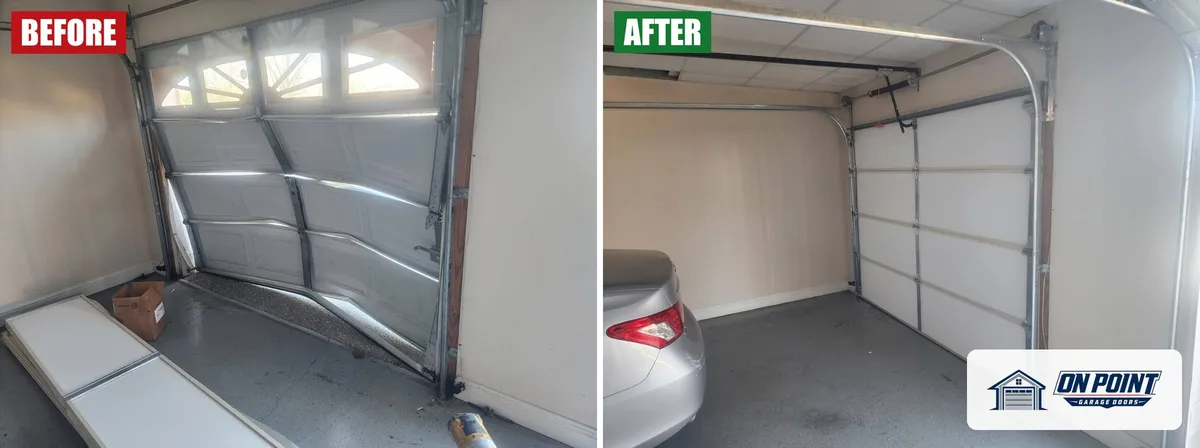
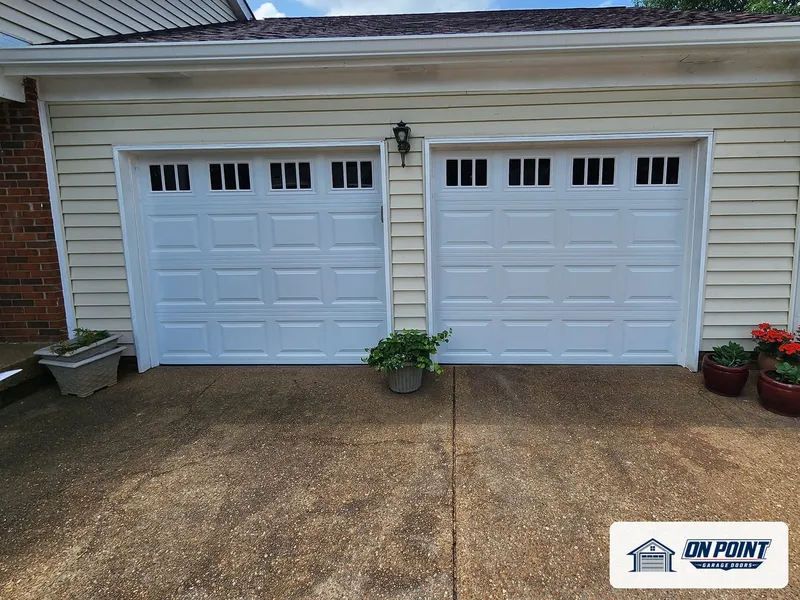
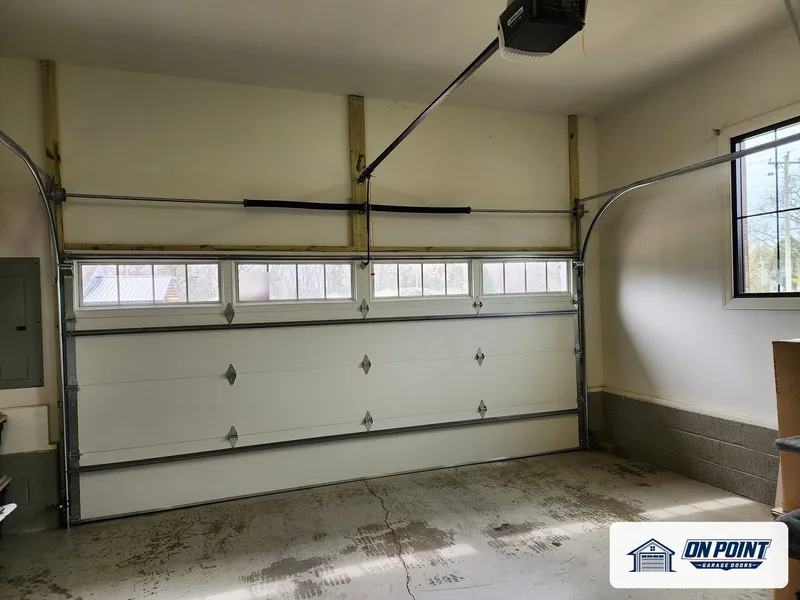
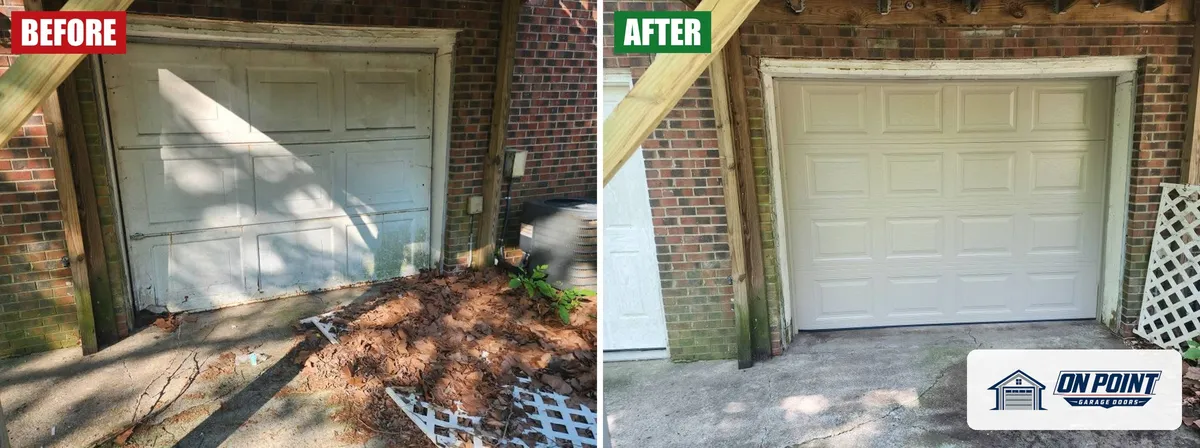
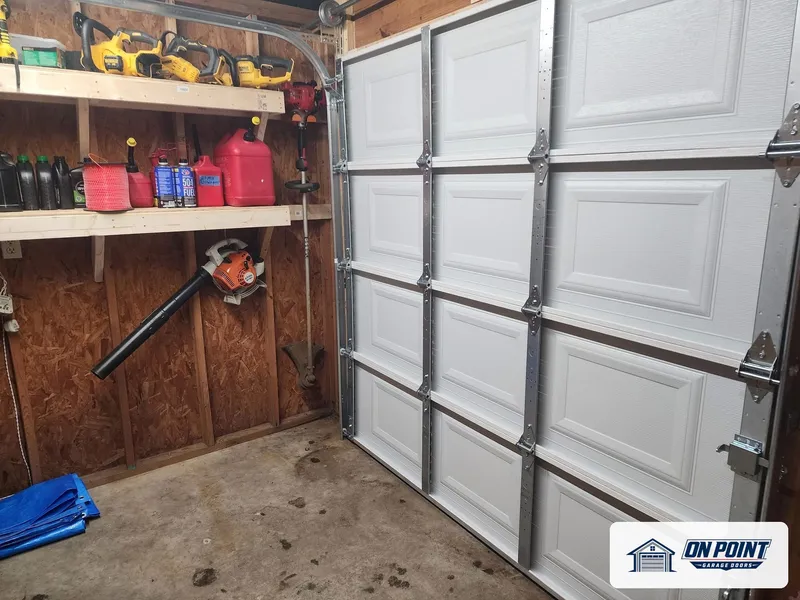
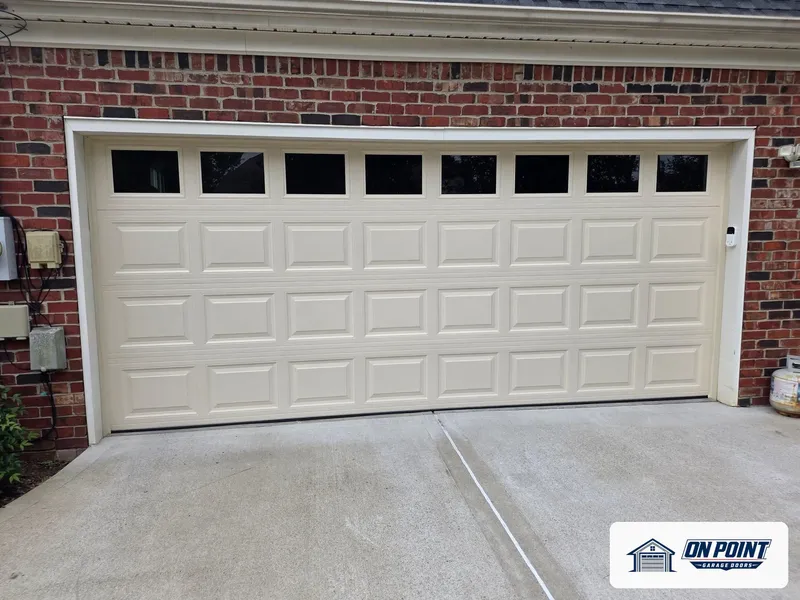
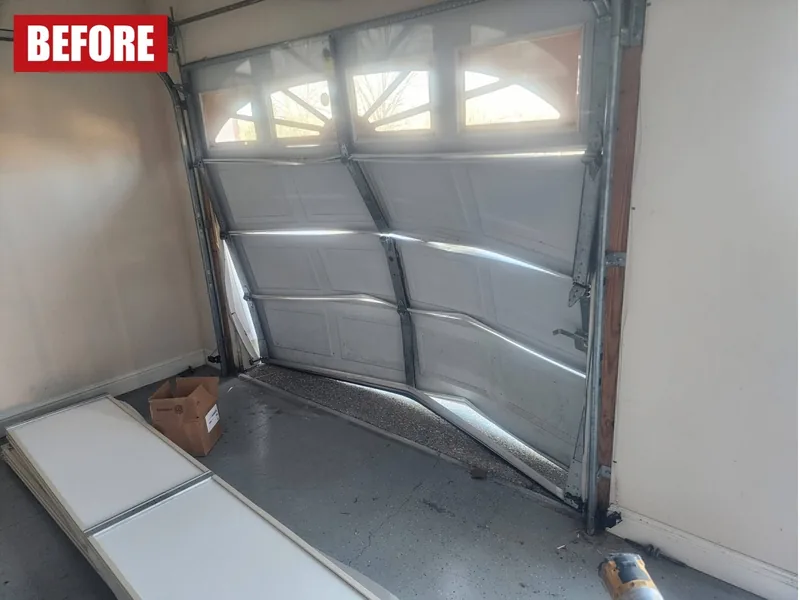
These photos are from our own jobs, with our logo on them.


Garage door repair in Williamsburg for the parking garages under the waterfront towers, the loading doors on old factory buildings, the shop gates along the busy shopping streets and the multi-family homes with garages. Free estimate first.
Newer towers near the river have parking garages with wide doors that open and close for hundreds of residents every day.
Doors like that want high-cycle springs, heavy rollers and a commercial operator, because one breakdown at the ramp leaves dozens of residents unable to drive out.
Full-view glass and aluminum doors suit the converted factories and newer buildings.
Old factory and warehouse buildings that became offices, shops and apartments still have loading doors and freight entrances.
Many of those doors were built for occasional use and now run far more than they were designed to.
Shops, cafes and restaurants roll their gates up early and down late, and a stuck gate can keep a shop closed.
Gate repairs can be scheduled before opening.
Weekend crowds fill the shopping streets, and delivery trucks double-park close to gates and garage entrances.
Multi-family homes on the side streets often have a garage shared by several households and a door that rarely rests.
After opener work, a fob or a remote from each household is tried so nobody comes home to a door that ignores them.
Older multi-family homes sometimes have a garage under the building where the door is the only way in for several cars.

Ramp door under a waterfront tower, freight door in a loft building off Kent Avenue or a cafe gate on Bedford Avenue, each is looked at in person before any estimate.


Parking garage doors. High-cycle springs, rollers, operators, photo eyes and edges on doors shared by a whole building.
Access systems with fobs and remotes are tested after the work.
When a shared door starts to crawl or labor, its springs are measured before the operator is suspected.
Loading and freight doors. Heavy springs, cables, guides and bottom bars on doors bumped by trucks.
Old doors are given a straight answer on whether repair still makes sense.
Shop gates. Motors, slats, bottom bars and locks are fixed, and hand gates can be motorized.
Gates that drag or drop are rebalanced.
Each operator is sized to the number of trips the door really makes, which in a busy tower can be hundreds.
Home garages. Snapped springs, rollers worn flat, frayed cables and openers near the end of their run.
Doors used by several households get longer-life springs.
Insulated doors keep heated garages and lobbies near the river warmer in winter.
A door or gate clipped by a delivery truck double-parked on the block stays put until it has been checked.
A car scraping the wall of a narrow ramp can push a track out of line, so the track is looked at before the door runs again.

The waterfront towers, the loft blocks and the side streets of the South Side are all regular stops on our Brooklyn route, which also runs through Queens and Long Island.
The technician gets your call notes before the visit.
A garage full of residents' cars stuck behind a broken door is treated as urgent.
Winter. Gusts off the East River lean on wide ramp doors, and cold finishes off springs that already run all day.
Ice at the foot of a garage ramp can grip the bottom rubber, so a frozen door is left to thaw loose instead of being driven by the operator.
Spring. Rain runs down garage ramps toward the doors and rusts the bottom of tracks and guides.
Summer. Heat and crowds mean shop gates open and close more, and dry guides start to stick.
Fall. A checkup ahead of winter finds tired springs on the doors that run the most, before the first hard freeze.
He sends the door or gate through a full trip, then works through springs, cables, rollers, guides, track and the operator.
He points to the worn part and explains it without trade talk, then writes up a free estimate item by item.
Springs and operators are chosen for the size of the door and the number of times a day it opens.
The springs, cables and rollers that tower and loft doors most often need come along in his truck.
Photo eyes, safety edges and the safety reverse are tested before he leaves.
Worn parts go out with him, not into the building's trash room.
Shared doors are cycled several times with the safety equipment tested before he leaves.
Building and shop doors are booked around residents, deliveries and the moment the shop lifts its gate.
He lets the super or the shop owner know when he is on the way.
No part is changed before you give the go-ahead.
On shared doors, the number of daily trips decides what wears first.
A snapped spring turns any door into dead weight. Keep everyone out from under it and reach us.
High-cycle springs last far longer on doors that open again and again all day.
Lift cables fray at the bottom brackets, and the two sides are always renewed together.
Drums and shaft bearings worn by the old cable are changed on the same trip.
Safety equipment on parking garage doors is tested every visit, because so many people pass under them.
Tracks and guides bent by delivery trucks on a ramp make a door bind, and they are trued or swapped before it runs again.
Brackets pulled loose from old factory brick are reset into solid masonry or steel.
The operator's board, limits and drive are tested one at a time, so only what failed gets changed.
Worn-out operators are replaced with commercial units sized to the door.
Say whether it is a building ramp door, a freight door in a loft, a shop gate or a garage at a row house.
The estimate never comes with a bill.
Tell us what the door or gate is doing and when the building or the shop can spare it; the estimate is free.
Call us at (929) 429-2429.
A few words about the building and the door are enough for a free estimate to come back.