Takes 30 seconds. We call you back to set a time.
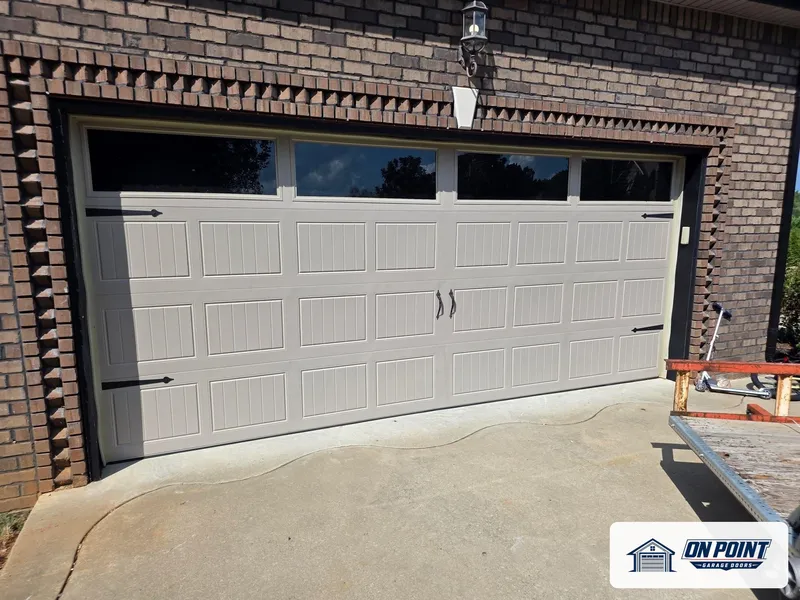
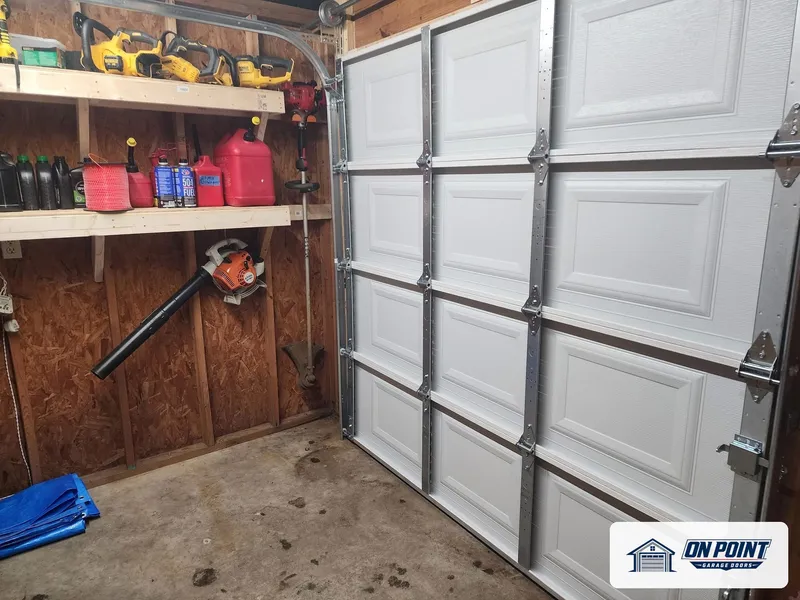
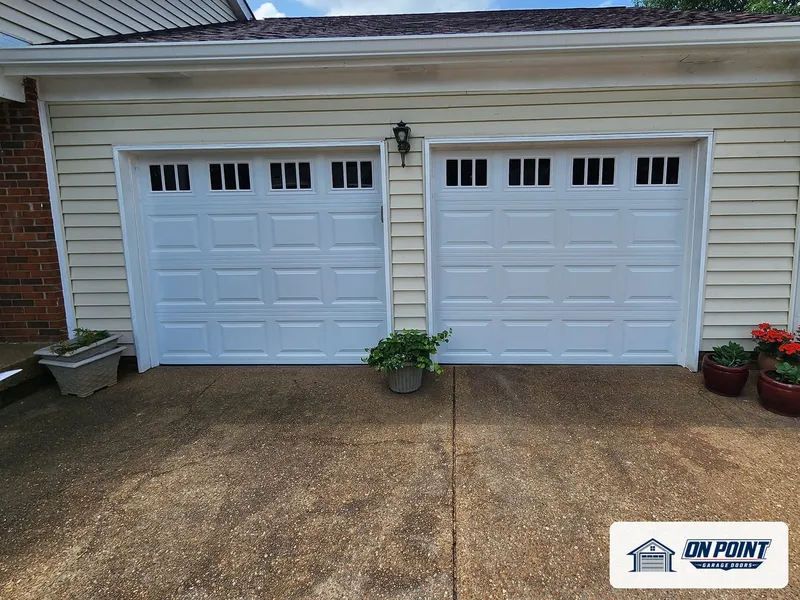
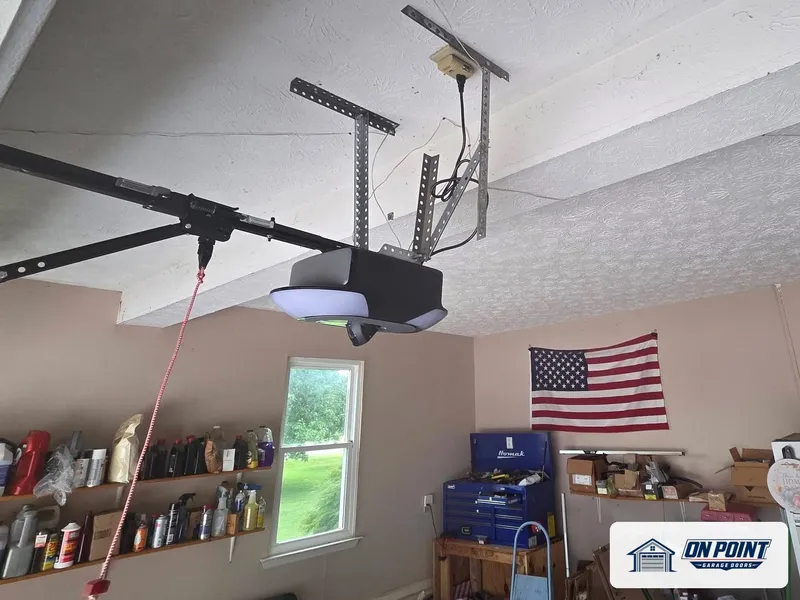
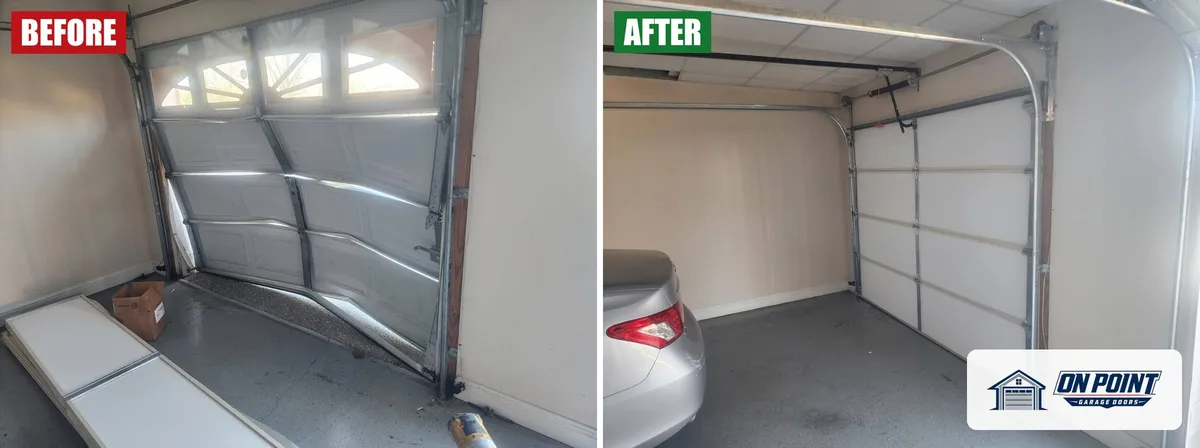
These photos are from our own jobs, with our logo on them.


Garage door repair in Sunset Park for the brick and limestone rowhouses on the sloping side streets, the few homes with a garage cut into the ground floor, the roll-down gates on the shopping avenues, and the warehouses and auto shops under the expressway. Free estimate first.
Most homes are two- and three-family rowhouses in brick or limestone, put up in the early part of the last century for families who worked on the docks.
Very few were built with a garage, so the garage doors on these blocks are mostly later additions: a ground floor opened up for a car, or a box at the back of a deep lot.
Rowhouse garages mostly carry plain steel doors, while the shops carry slatted steel gates and the warehouses wide roll-ups.
Down by the water, the old Bush Terminal warehouses are now Industry City, full of makers, studios, food stalls and small companies.
Further south the huge concrete Brooklyn Army Terminal holds offices and light industry, and its loading bays still see trucks every weekday.
One avenue up the hill is lined with Chinese bakeries, fish markets and dumpling shops, and another with Mexican and Latin American groceries, bakeries and restaurants.
Nearly every one of those storefronts closes behind a steel roll-down gate, and many have a second door at the back for deliveries.
Double-parked delivery trucks fill the avenues every morning, so the truck comes in on the side streets.
Ferry riders and workers crowd the streets near the old army terminal on weekdays.
Under the elevated expressway the avenue is a long row of auto body shops, tire shops, wholesalers and warehouses with wide roll-up doors.
The streets climb steeply from the waterfront to the hilltop park, so a door at the bottom of a block sits in a very different spot from one near the top.
The side streets are numbered and run in a long grid from the harbor up the hill.
Green-Wood Cemetery's walls run along one edge, with a quiet stretch of trees behind them.

Rowhouse with a converted garage, storefront gate on the avenue or a roll-up under the expressway, the door is looked at before any figure comes up.
New shop owners on the avenues often want the gate and the rear door looked at before they open.
Families who buy a rowhouse with an old garage often ask whether a new door can fit the same opening.


Rowhouses with an added garage. Openings cut into old brick, often with a short header and very little room above the door.
A low-headroom track or a door that fits the tight space is often the answer, and he says which.
A gate that you can barely push up past your shoulders has springs close to the end of their life.
Storefront gate springs often give out together after many years of daily trips.
Storefront roll-down gates. Gates that go up early and come down late every day, with springs inside the hood that tire out.
A gate that sticks halfway in the morning is a spring, a slat or a guide, and he finds which one.
Auto shops and warehouses. Wide roll-ups and sectional doors hit by cars, forklifts and box trucks.
Heavier springs and sturdy bottom bars suit doors that open for every job.
A keypad helps a family share one garage door among several apartments.
Industrial lofts and studios. Freight doors and loading doors in old terminal buildings.
Old steel guides in those buildings are checked for wear before anything new is hung.
An insulated door keeps a ground-floor garage under an apartment warmer in a hard winter.
If a heavy roll-up has dropped crooked in its guides, keep the shop clear of it and call.
Box trucks backing to a warehouse door catch the bottom bar and the lower guides.
On rowhouse garages, a car that turns in too sharp scrapes the side of a narrow opening.
Sunset Park is one of the neighborhoods on our Brooklyn runs between the harbor and the cemetery, and our crews also cover Queens and Long Island.
What you tell us about the shop, the gate or the house goes straight to the technician.
A gate that will not come down at closing, or a car shut inside a rowhouse garage, is moved ahead of routine visits.
If a storefront gate will not lock at night, tell us when you call.
Winter. Wind off the harbor drives sleet up the side streets, and gates freeze to their bottom angle overnight.
Grit from the expressway and the avenues settles in the gate guides and wears the slats.
Spring. Rain pours down the steep blocks and pools at the low end, soaking the bottom of street-level doors.
Summer. The avenues are packed with shoppers and delivery trucks, and storefront gates run from early to late.
Fall. Leaves from the street trees and from the cemetery's edge blow into gate guides and door tracks.
He runs the door or gate once, then lifts it with the motor off or the door unhooked to feel how much the springs carry.
On a gate he looks at the hood, the guides and the bottom angle together before deciding what failed.
Each worn slat, spring, roller or cable is pointed out to you and written on a free estimate.
Springs are matched to the door or gate as it weighs now, with every layer of paint and patched slat.
On a rowhouse garage cut into brick he checks the header and the anchors in the masonry first.
A scrap of wood on the floor shows the door still turns back when it meets something.
Broken springs, slats and old cables go away in his truck, not to the curb.
At the end, you run the gate or the door while he watches it close flat on the sidewalk or the slab.
If the shop is on a busy avenue, tell us where the truck can stand for the visit.
He calls once he is off the expressway and close to the block.
Nothing on the gate or the door is changed until you have read the estimate and said yes.
If a gate only needs a spring adjusted and a bent slat swapped, that is all he writes.
Tired gate springs, doors squeezed into old brick openings and hard-hit commercial roll-ups make up most of the work here.
When a door's spring breaks, the full weight is left for the opener or for whoever lifts it, so keep it down and call us.
Longer-life springs suit a storefront gate that goes up and down every single day.
Cables near the waterfront rust where they meet the bottom brackets, so both sides are renewed together.
The drums and bearings are checked on that same visit.
Photo eyes on garage doors are bolted firm and aimed past the carts, crates and bikes kept by the door.
Guides and track bent by a forklift or a backing car are straightened or swapped for new lengths.
Brackets that worked out of crumbling mortar are reset into solid brick.
Gate motors and garage openers are tested on their own first, so only the failed part is changed.
A side-mount or wall-mount opener frees space in a garage with almost no headroom.
Tell us whether it is a storefront gate, a roll-up at a shop or a house garage.
The estimate is free.
On a gate that goes up and down every day, a gate stuck halfway is most often a tired spring inside the hood, a bent slat catching in the guide, or a guide knocked out of line by a delivery. He opens the hood, checks each of those, and tells you which one it is before any part is ordered.
Often a regular track will not fit, but a low-headroom track or a door built for tight spaces will. He measures the room between the top of the opening and the ceiling, checks the brick and the header, and explains which setup suits the space you have.
Yes. Wide roll-ups and sectional doors at warehouses, body shops and tire shops are a big part of the work in this area, including springs, cables, guides, bottom bars and motors. Tell us the width of the door and whether it runs on a chain or a motor.
A thicker bottom seal and a threshold strip on the slab stop most runoff from a steep block. If the bottom of the door has already rusted or swelled from standing water, he will show you and list that section on the estimate by itself so you can decide.
Yes. Tell us your busy times when you book, and the visit is planned around them. Most gate and spring repairs can be done with one side of the storefront open, and he keeps the sidewalk clear while he works.
Describe what the gate or the door is doing, pick a slot, and the estimate is free.
Call us at (929) 429-2429.
Tell us whether the gate sticks, grinds or will not lock, and a free written estimate comes back.