Takes 30 seconds. We call you back to set a time.
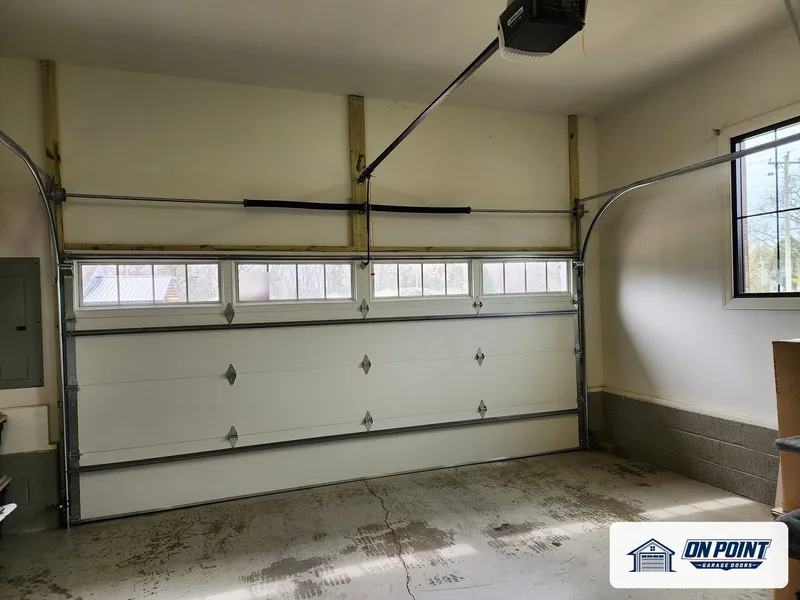
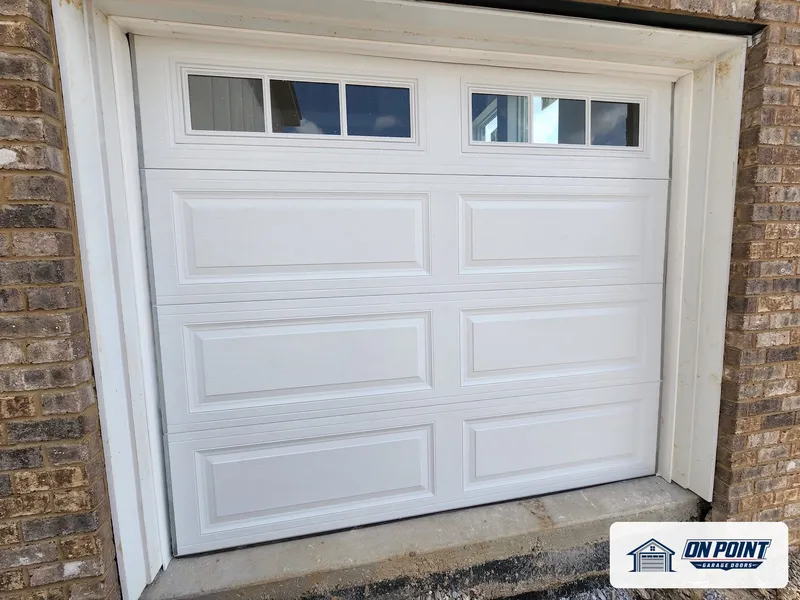
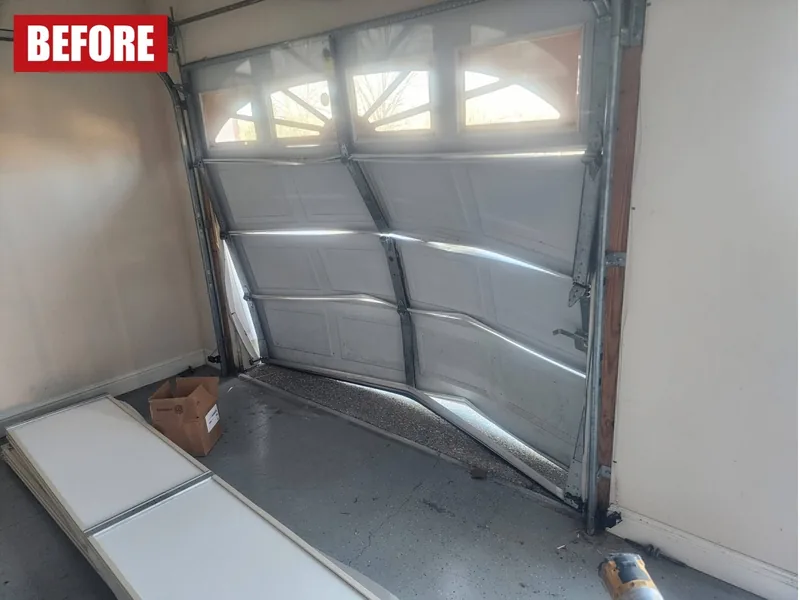
These photos are from our own jobs, with our logo on them.


Garage door repair in St. Albans for the Tudors, colonials and detached houses with garages around the park and on the residential streets, the attached homes, and the shops along the main avenue. Free estimate first.
Some of the most striking houses in this part of Queens stand on the blocks around the park, many of them Tudors and colonials with a garage behind or beside the house.
Owners want doors that suit those houses, not a plain panel door.
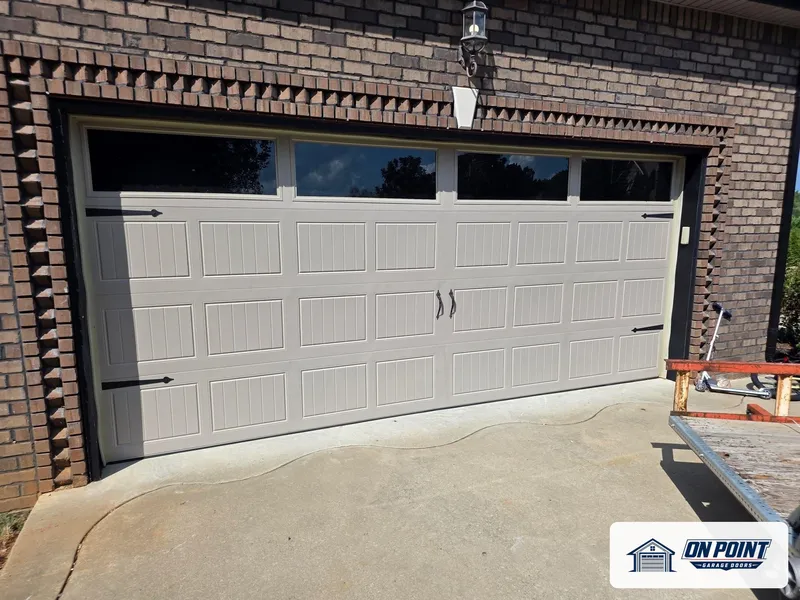
Dark carriage hardware and arched windows suit the Tudors.
Many of those garages still have their first framing, and the doors in them carry repairs from several owners over the decades.
Parts are matched and the door rebalanced so it works as one system.
Barbers, salons, groceries and restaurants along the main avenue pull down rolling gates at night and take deliveries through back doors.
A shop gate that will not come down or lock at closing moves to the front of our list.
Weekend activity around the park brings more cars to the side streets and driveways.
Big lots with mature trees mean leaves and branches end up in tracks and gutters over garage doors.
Water from clogged gutters often drips right onto the top of the door.
Some detached garages now serve as studios or workshops and are rarely opened for a car.

Tudor, colonial or a gate on a shop, each door is seen in person before an estimate is put in writing.
Owners of the period houses near the park sometimes show us old photos, and the new door is picked to look like it came with the house.


Period homes. Carriage-style doors with dark hardware that suit the architecture.
Heavy wood doors are replaced with lighter insulated doors if the owner wishes.
When a heavy old door drags on the way up, the springs are tested first, because a tired spring makes a sound opener look weak.
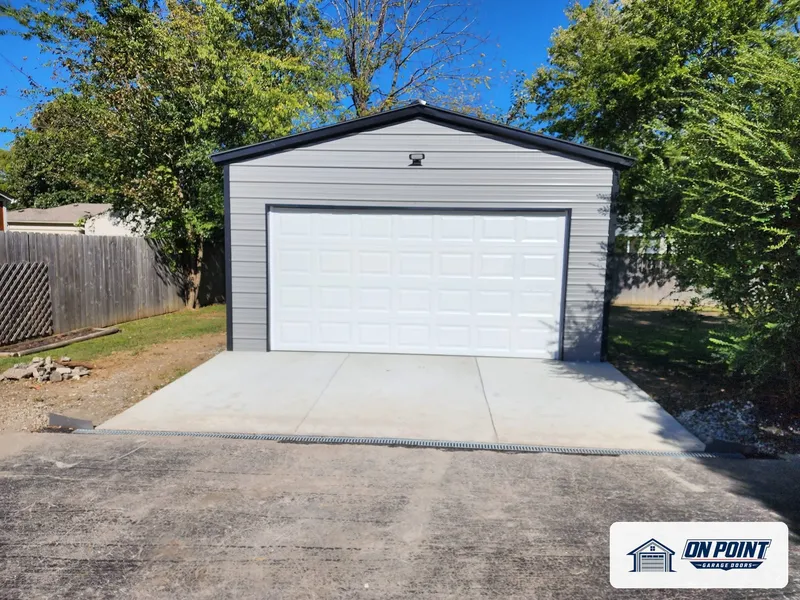
Detached garages. Soft jambs, sagging headers and worn hardware.
The frame is repaired, then the door.
Rear garages reached by long driveways often have the oldest doors on the property, and a lighter carriage-style door is a big step up.
Attached garages. The usual calls are a snapped spring, flat rollers or an opener that grinds.
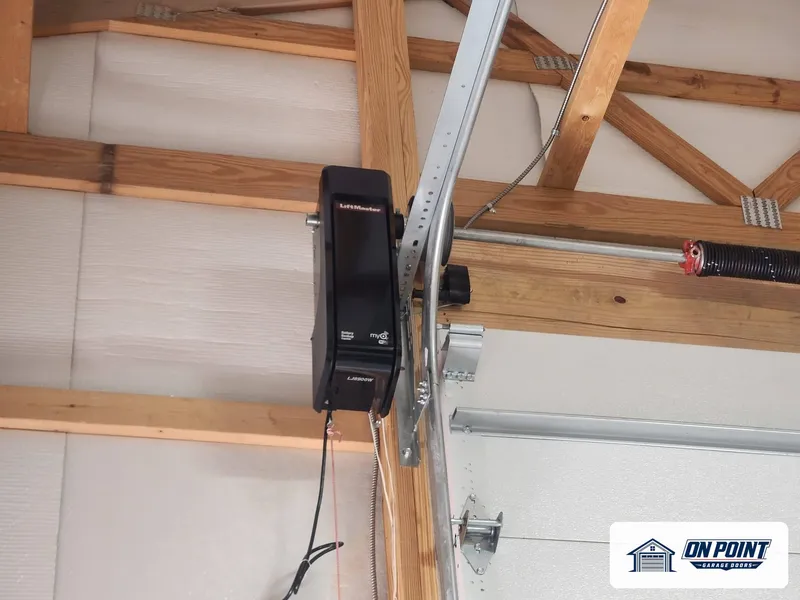
Belt drives keep the rooms above quiet.
Quiet openers suit the bedrooms and studies above attached garages.
Gates on the avenue. Bent slats, tired springs, stuck locks and worn motors.
Back delivery doors get their guides checked for bends from hand trucks.
Insulated carriage doors keep the period look and the garage warmer.
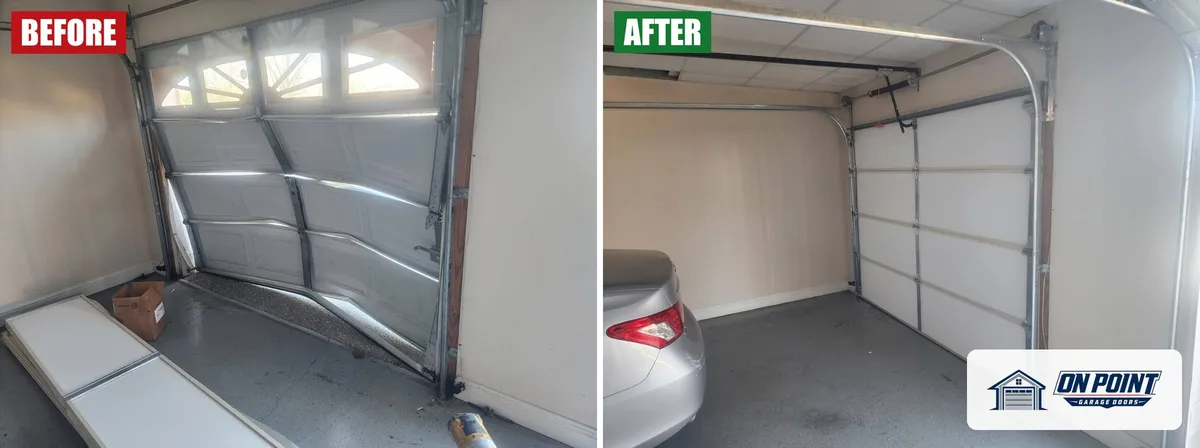
If a car has struck the door, keep it shut until a technician has looked at the sections and the track.
Where a long driveway narrows at the garage, it is easy to clip the frame, so the frame and the track beside it are checked together.

The Tudor streets and the shop rows here are a regular stop on our Queens route, and the same crews work Brooklyn and Long Island.
Tell us about the house when you call and the technician will know before he arrives.
A trapped car is treated as urgent.
When a heavy wood door has jumped its track or dropped at one corner, keep everyone away from it and mention that when you reach us.
Winter. Bitter nights snap old springs and stick wood doors to the slab.
On the coldest mornings a wood door frozen to the floor is left to let go on its own rather than forced with the opener.
Spring. Overflowing gutters drip onto the top of the door and rust the hinges and brackets up there.
Summer. Humid weeks swell wood doors until they rub in their frames.
Fall. Branches and leaves from the big trees land in the tracks.
He runs the door a full trip, then looks over the frame, springs, cables, rollers, track and opener one by one.
On the period houses he also checks the trim around the opening, because rotted trim lets rain into the jambs.
You hear what failed in plain terms, with a free estimate that names each part separately.
Springs are sized to what the door really weighs, heavy wood doors included.
The springs and cables most doors here need are already on the truck.
He proves the opener reverses before he leaves.
Old parts and doors are taken away.
He runs the door for you several times before leaving.
Visits can be set early in the morning.
He gives you a ring when he is close.
Nothing is done until you say yes.
You can take time to decide; the estimate stays the same.
Older houses and heavy doors shape the work here.
When a spring snaps, keep the door down and keep everyone away.
Heavy wood doors need strong springs, or a lighter replacement.
Cables fray where water sits; both sides are replaced.
The drums and bearings are looked at on the same visit.
Garages that were built before photo eyes existed get a pair added.
Tracks loose in old framing are anchored into sound wood.
Track rusted at the floor is cut out and replaced.
Before any opener part is swapped, the motor, board and gears are each tried in turn.
Carriage doors pair well with quiet belt-drive openers.
Say whether the garage stands on its own behind the house or is built into it.
The estimate is free for houses and shops alike.
Tell us what the door does when you run it and pick a visit time; the estimate is free.
Call us at (929) 429-2429.
Describe the door or gate, and we reply with a free estimate.