Takes 30 seconds. We call you back to set a time.
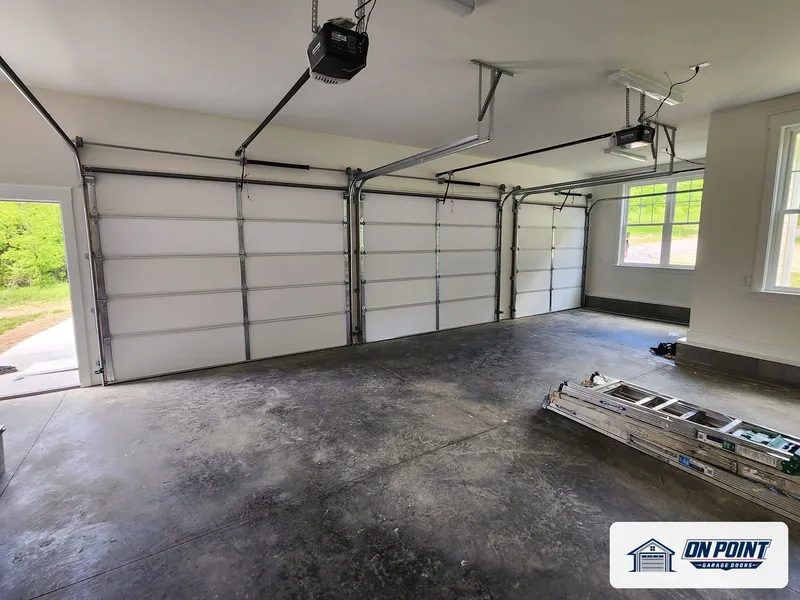
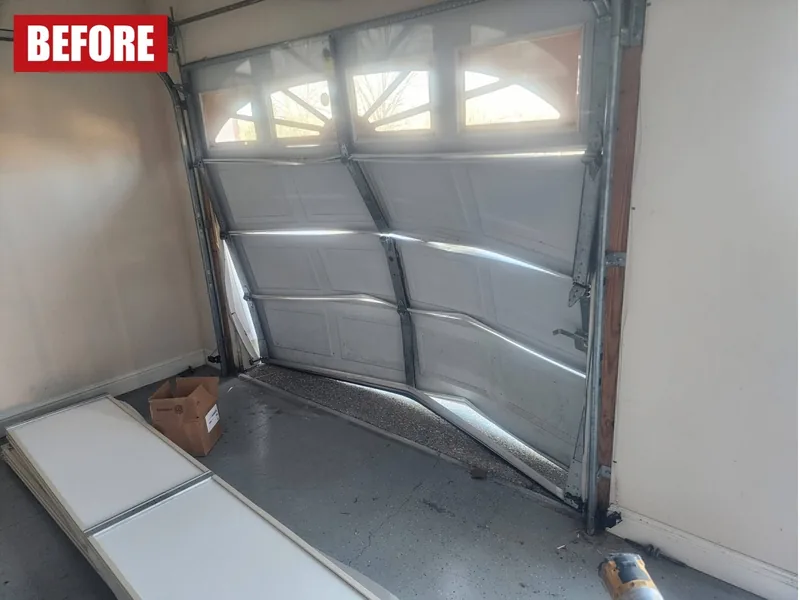
These photos are from our own jobs, with our logo on them.


Garage door repair in South Ozone Park for the two-family and single-family homes with front and rear garages, the houses near the airport and the racetrack, and the warehouses, auto shops and stores along the main roads. Free estimate first.
Many houses here are two-family homes, and the garage is shared, used for a car, storage and sometimes a small business.
A door that opens for two households wears its springs, rollers and opener faster than a single-family door.
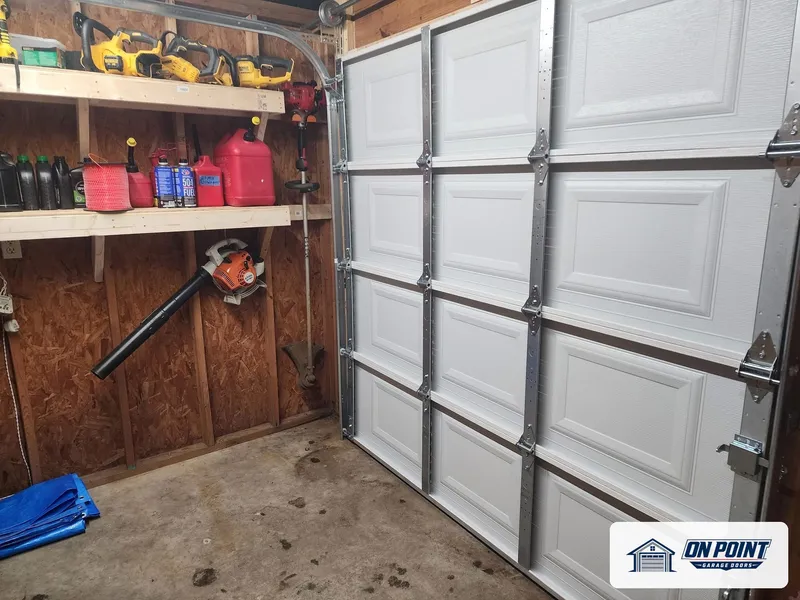
Doors are chosen in a color that suits the siding and trim, and many owners want a plain insulated steel door that stands up to daily use by two households.
Some houses have a garage in front, under the living space; others have a detached garage at the far end of a long, narrow driveway beside the house.
Each kind has its own problems, from noise upstairs to old framing out back.
Freight forwarders, warehouses and auto shops near the airport run loading doors and roll-up doors from early morning until late, often many times in a working day.
A loading door that will not close leaves cargo open to the street, so those calls move ahead of routine house work.
Race days and airport traffic fill the main roads, and side streets see cars cutting through close to driveways.
Low-flying planes shake loose hardware over time, and rattling doors and opener rails are common.
Loose bolts and brackets are secured on every visit.
Some garages double as small workshops or storage for a family business.

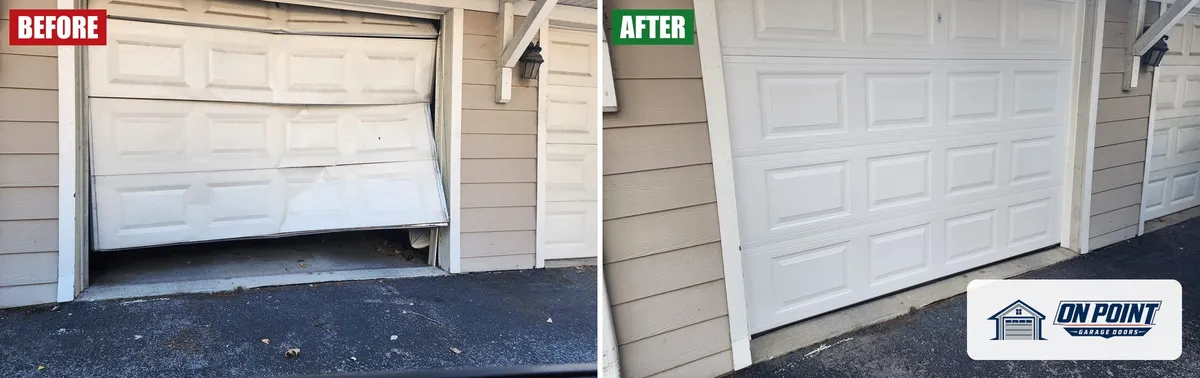
A shared garage on a two-family house, a dock door at a cargo yard or a gate on a store: each one is run and checked before any line of the estimate is written.


Shared garages. Springs, rollers and openers worn out by two households coming and going.
Longer-life springs and sturdy openers suit those doors.
A shared door that drags or strains is usually carrying tired springs, so those are tested with the opener unhooked before the opener gets the blame.
Front garages under living space. Noisy openers and rattling doors.
Belt drives, sealed rollers and secured rails keep the house quieter.
Loading and roll-up doors. Heavy springs, lift cables, guides, bottom bars and operators that work all day at the yards near the airport.
Doors damaged by trucks and forklifts are repaired or replaced.
Store gates. Slats, springs, locks and motors along the main roads.
A gate that slides down on its own or scrapes going up gets its spring tension reset.
Insulated doors cut aircraft noise for rooms over the garage.
If a car or a truck has struck the door, keep it closed and the opener off until it has been looked at.
A box truck nosing up to a cargo door can kink the bottom bar and a guide in one hit; he inspects both.
The two-family blocks and the cargo yards near the airport are a regular stop on our Queens route, and the same crews cover Brooklyn and Long Island.
Say whether it is a house garage, a dock door or a store gate when you call, and the right parts load up before he leaves.
A family car shut inside, or a cargo door that will not come down, moves the visit up the list.
Winter. Cold breaks springs on doors that open all day for two households.
In the coldest spells the bottom seal can freeze to the slab; let it thaw rather than running the opener against it.
Spring. Rain runs down the long driveways and rusts the bottom of the rear garage doors first.
Summer. Heat and jet exhaust grit dry out seals and gate guides.
Fall. Before winter, doors that two families use every day get their springs and rollers checked.
He runs the door on the opener a few times, disconnects it to feel the springs, and then goes over cables, rollers, track or guides, and the opener or operator.
What is worn is explained in everyday words, and the free estimate lists each part on its own line so you can see what matters now.
Springs are sized to the door's weight and to how many times it runs each day, which on a shared garage is often far more than a single family's door.
The spring sizes and dock-door parts these blocks call for most ride along in the truck.
He proves the beam and the reverse work by closing the door on an object before leaving.
Old parts are hauled away.
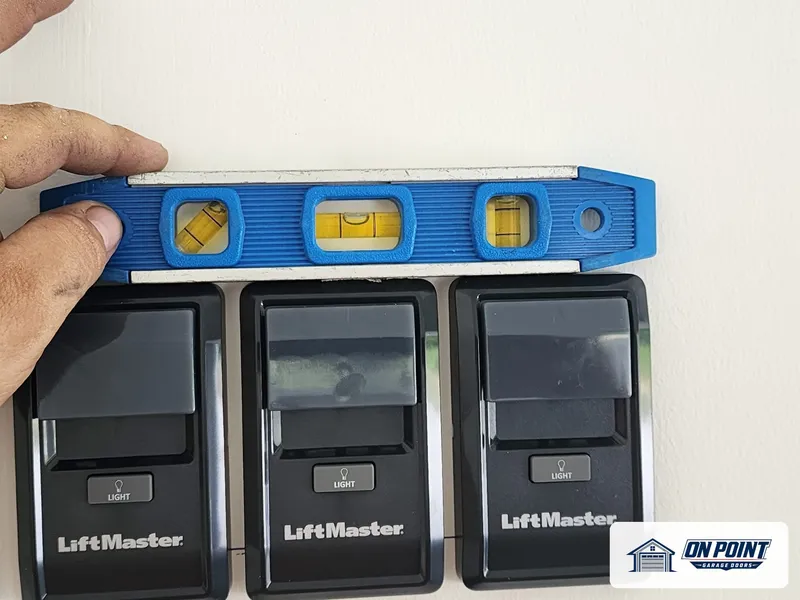
Every remote and keypad code for both households is tested with you before he leaves.
Warehouse doors can be scheduled around shipments.
He calls on the way.
You decide what gets done.
Vibration, shared use and trucks shape the wear here.
When a spring goes, the whole door hangs on its cables, so stand back and phone us.
A door used by two households lasts longer on heavier, longer-life springs, and that choice is explained at the estimate.
Lift cables fray where they hook into the bottom corners, so both are renewed together and the door rises level.
The drums and the bearings on the spring bar are checked on the same visit, since they wear along with the springs.
Photo eyes are bolted firmly so the shaking from the planes overhead and the odd bump from a bin does not knock them out of line.
Guides and tracks bent by a truck or a car are straightened when the steel allows it and replaced when it has creased.
Brackets that have shaken loose are anchored into solid framing or steel.
Before anything is swapped, the opener or the dock operator is checked one part at a time.
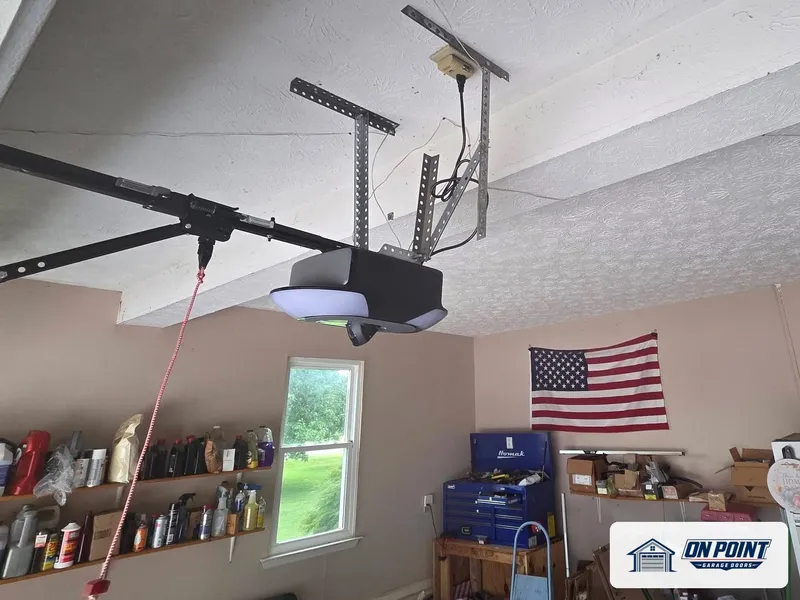
Worn units are replaced with quiet house openers or commercial operators, whichever fits.
Tell us whether it is a house garage, a warehouse door or a store gate, and whether two households use it.
Every estimate is free.
Each household can carry its own remotes, and a keypad by the door can hold separate codes. When a tenant moves on, the opener's stored remotes are erased and only the ones still in your hands are added back, so a remote that left with the old tenant no longer opens anything. The technician does this at the end of the visit and tests each one.
Over years it can. The steady rumble works at bolts, track brackets and the hangers that hold the opener rail to the ceiling, and a door that rattles more each season usually has hardware working loose. On each visit the technician goes over the brackets and the rail, sets them firmly into solid framing, and points out anything that has worn.
Garages at the back of the lot were often framed later and more simply, so headers sag, jambs rot at the bottom and the door starts to rub. Rain running down the driveway also sits against the bottom of the door. The framing is checked first, then the track, rollers, seal and springs are set to the opening as it really is.
A door that runs that often needs longer-life springs, heavy cables and an operator built for commercial use. Regular visits check the barrel, the guides, the bottom bar and the safety devices before they wear through. If a door does fail, the visit can be set around shipments so the dock is back in use with as little downtime as possible.
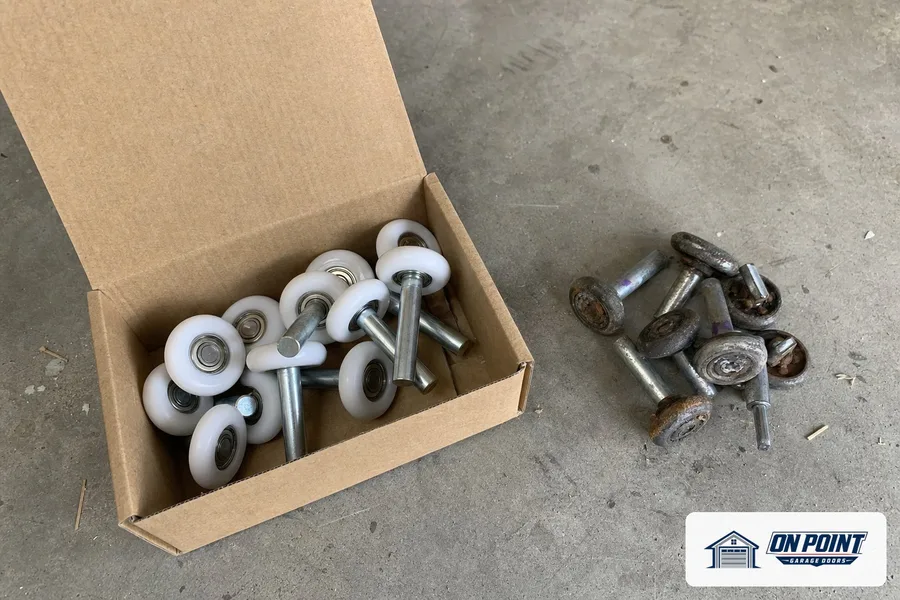
The noise usually comes from two places: a chain opener fixed to the ceiling under that room, and steel rollers grinding in the track. A belt-drive opener on padded hangers and a set of nylon rollers make the door far quieter. An insulated door also softens the sound of the street and the planes coming in overhead, and keeps the room warmer in winter.
Describe which door is giving trouble and choose a time that suits the house or the yard; the estimate is free either way.
Call us at (929) 429-2429.
Tell us what the door or gate is doing, and a free estimate comes back whatever you decide.