Takes 30 seconds. We call you back to set a time.
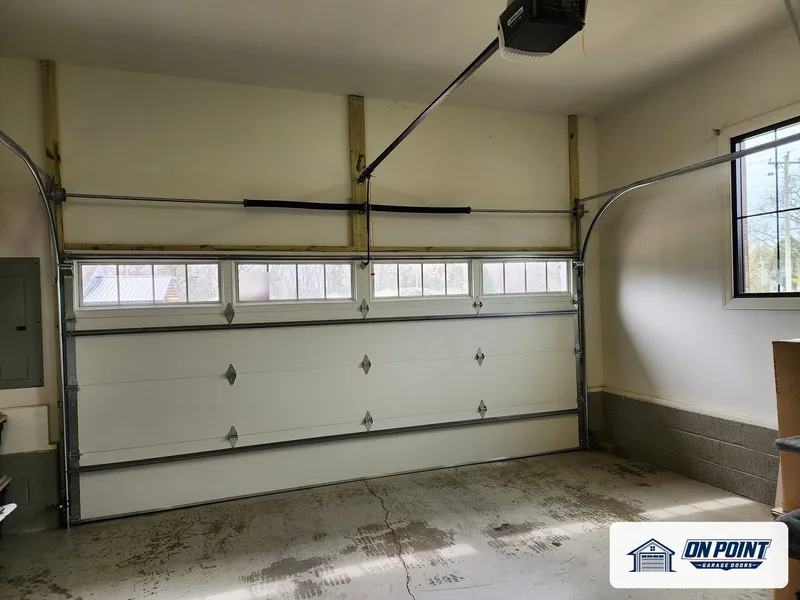
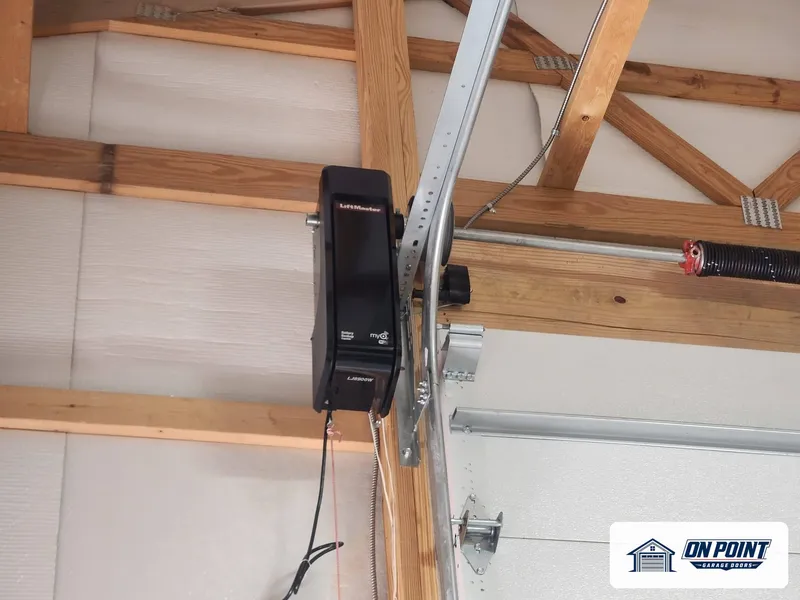
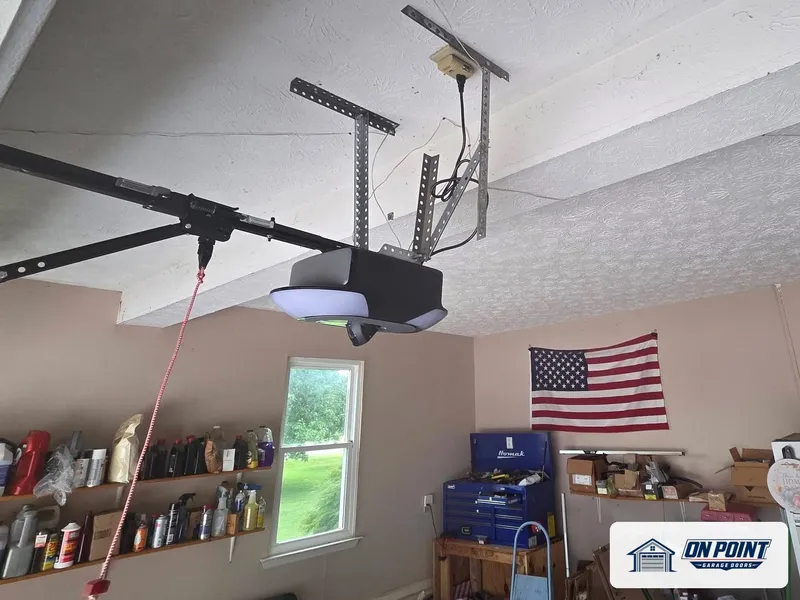
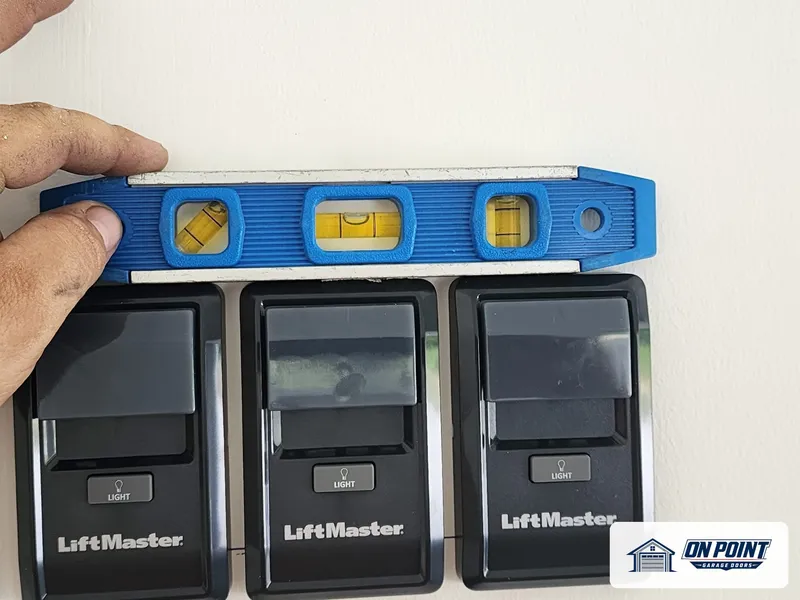
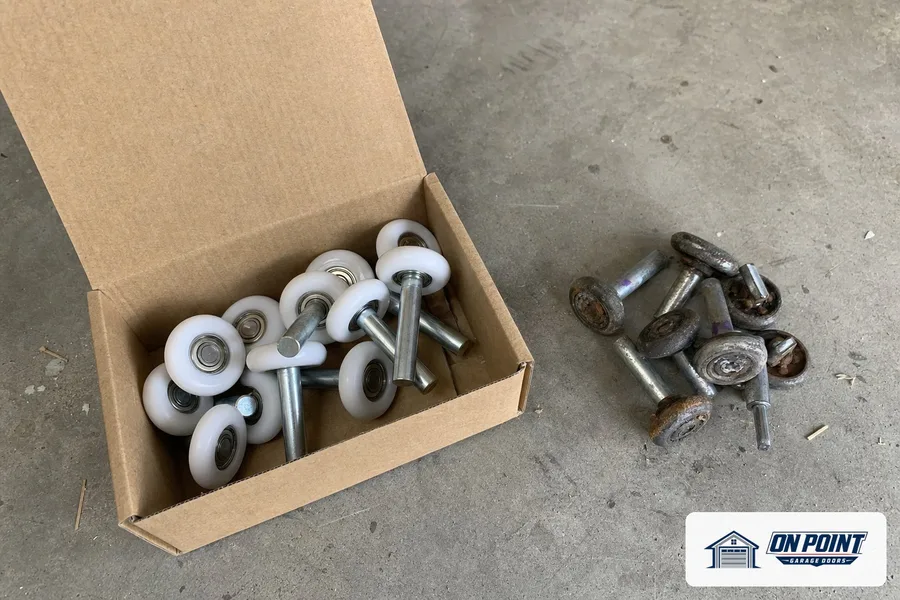
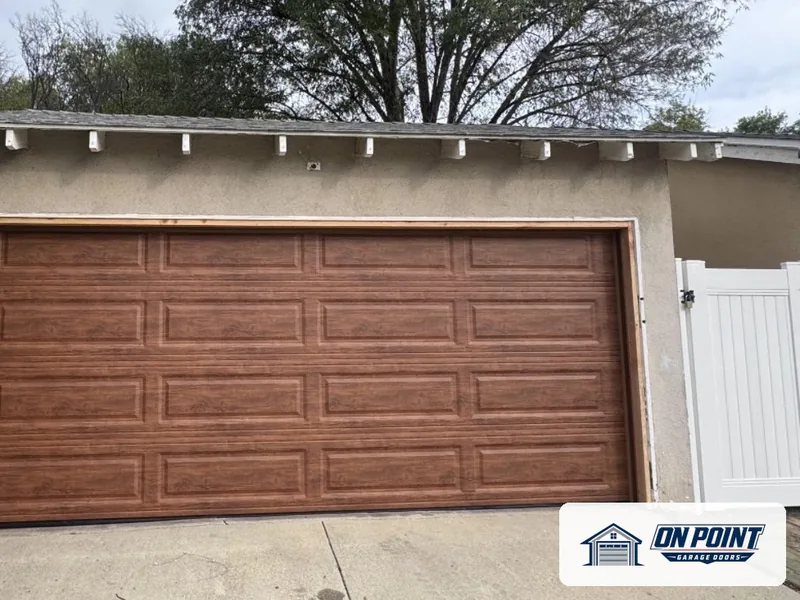
These photos are from our own jobs, with our logo on them.


Garage door repair in Rego Park for the detached Tudors and colonials on the curving streets, the attached homes with garages below, the parking garages under apartment buildings and the businesses along the boulevard. Free estimate first.
The detached homes on the quiet curving streets include many Tudor and colonial houses with attached or detached garages, some with original wood doors and low headroom.
The best known of those streets are the Crescents, a set of half circles that bend away from the straight grid, where no two driveways meet the curb at quite the same angle.
A builder called the Real Good Construction Company laid out much of the neighborhood between the wars, and the name Rego joins the first two letters of Real with the first two of Good.
With only a few inches between the top of the opening and the ceiling joists, a new door in one of these garages may call for rear-mounted springs, a double track or an opener hung beside the door.
Under half-timbered gables and slate, a carriage pattern with black strap hinges looks more at home than a plain white slab.
Attached homes on other blocks have a garage below the living space and a short driveway.
Noise from the opener travels upstairs, so quiet belt drives are a common upgrade.
Apartment buildings along the boulevard have garages shared by many tenants, with doors that open all day.
A shared door like that needs springs, rollers and an operator built for constant cycling, plus safety devices that are tested whenever it is serviced.
When the building is a co-op, the board or the managing agent is usually the one who approves the work, so it helps to put that person in touch when the visit is booked.
Queens Boulevard carries lanes of through traffic with service roads on both sides, and the blocks behind it are parked solid from corner to corner.
On the tightest of those blocks a car has to swing into the garage at an angle, which is how jambs, mirrors and bottom sections get scraped.
The small shops along the main shopping drive close up behind roll-down gates, while the larger retail centers by the expressway have loading areas with service doors of their own.
Delivery trucks backing up to those doors in narrow spaces are hard on guides and bottom bars.
When a shop owner cannot lock the gate at closing, that visit jumps ahead of routine work.
A garage drawn up for a sedan of the twenties leaves very little around a modern crossover, so the open limit is set to lift the bottom seal completely out of the way.
The photo eyes are also tucked close to the jamb, where a tire is less likely to hit them.

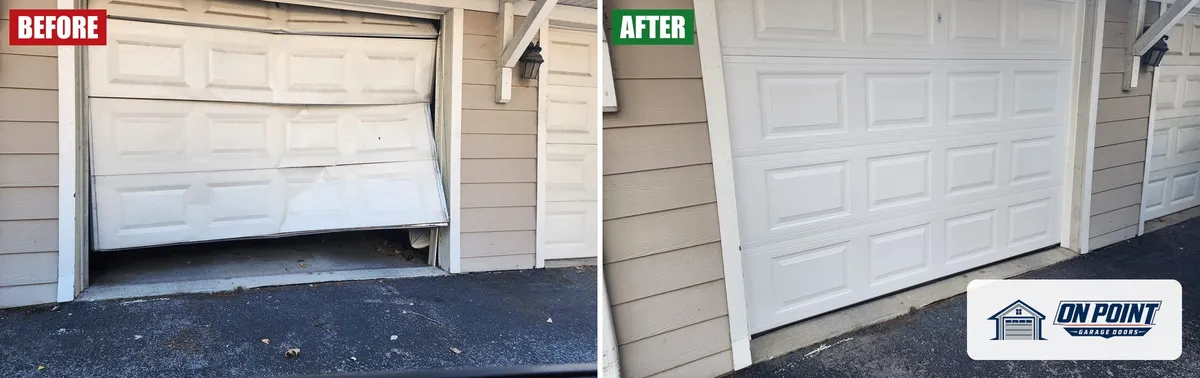
A half-timbered house on a Crescent, a brick row with the garage below or a ramp under a co-op: the door is run and measured first, and the written estimate follows from that.
Many Tudor garages here have arched or narrow openings, and a replacement door is ordered to the exact size rather than squeezed into a stock one.


Tudor and colonial garages. Low headroom, heavy wood doors and old springs.
Wood doors can be replaced with lighter carriage-style doors that suit the house.
Before anyone blames the opener on a heavy Tudor door, the springs get tested.
Attached garages. Broken springs, worn rollers and loud openers under bedrooms.
Rubber isolators on the hangers, nylon rollers and a belt in place of a chain take most of the rumble out of the rooms upstairs.
Apartment garages. High-cycle springs, operators and safety equipment on shared doors.
Fobs and remotes for many tenants are tested after the work.
Where a beam or a heating pipe crosses the path of the door, the track is planned around it before any door is ordered.
Store gates and service doors. Slats, springs, locks and motors.
Service doors at loading areas are checked for bent guides.
An insulated steel door holds more warmth under a bedroom and is far lighter than the solid wood still hanging on some of the Tudors.
A door that was struck while someone swung in from the curve may have a roller half out of the track, so leave the opener off until a technician has seen it.
Even a mirror clipping the side of a narrow opening can shift a bracket on old brick, and the jamb behind it is inspected along with the track.
These blocks between the expressway and Forest Hills are part of the Queens area we serve, next to our Brooklyn and Long Island coverage.
Say whether it is a house or a building, and who holds the key to the garage; the technician gets those notes with the job.
When a dead door has the car boxed in and the subway will not get you where you are going, mention it on the call and the job moves up.
Winter. The first deep freeze breaks springs that were already tired.
Wet wood can bond to a frozen sill overnight, and an opener pulling against that bond may rip its arm out of the top rail.
Spring. Rain finds its way under worn seals on garages below street level.
Summer. Painted wood takes on moisture in muggy weeks, so an old door may scrape the stop molding in August and swing free again by October.
Planing a swollen door only hides the problem if the bottom rail has already begun to rot, so that rail is probed first.
Fall. The mature shade trees over the Crescents shed into the gutters and down the driveways, and a damp pile against the sill holds water on the seal and the cable ends.
It is a sensible season to have balance and rollers looked over, ahead of the first hard frost.
He starts with the opening itself, sighting along the old jambs and header for sag, and only then moves on to the balance, the hardware, the track and the motor.
What he found is explained at the door and put on a free estimate, which a homeowner can approve there or a board can read later.
Old wood doors are weighed before springs are chosen, since they are often far heavier than they look.
Springs heavy enough for wood doors are carried on the truck.
He sets a box in the doorway to show the opener reverses before he goes.
Old parts and old doors are taken away.
You get to see it run smoothly a few times before he packs up.
A morning slot can be booked ahead of a commute, or a time when the building's super is on duty.
He calls ahead.
The decision stays with you.
Weight and headroom are the two things to understand about a garage of this age.
Once a spring lets go, a solid wood door can weigh more than two adults can safely hold, so leave it down and stay clear of it.
Heavy wood doors need stronger springs, or a lighter replacement door.
Lift cables give out at the loop on the lowest bracket, where wet sweepings collect, and the pair is renewed at once.
When the cable drums show wear, new ones go on with the new cables.
Sensors are mounted solidly, out of the way of bikes and bins.
A double-track kit lets the top section turn in very little space under a low plaster ceiling.
The bottom foot of track, where meltwater sits, is swapped when it has rusted thin.
An opener that hums may only have a stripped gear, so its gear, capacitor and logic board are each ruled in or out before a new unit is suggested.
A jackshaft unit on the wall also leaves the joists open, which matters when the ceiling is already within reach of an antenna.
Let us know which of the three it is: a garage at the end of the drive, one under the living room or a shared door in a building.
For a building, have the super's name ready along with the spot where a truck may stand.
Every estimate is free.
It can come close. Insulated steel and composite doors are made with carriage boards, arched panel tops, small leaded-look windows and dark strap hinges, all far lighter than old wood. The technician measures the arch and the true opening, since a curved brick head may need a rectangular door set behind it, with trim shaped to the curve.
A shareholder can report it, but the door usually belongs to the corporation, so the board or managing agent has to approve the work. Give us that contact when you call. The technician can secure the opening, then write a free estimate with photos that the board can read before deciding.
Often it is. A jackshaft opener mounts on the wall at the end of the spring shaft and needs no rail overhead, provided the door has a suitable shaft and a little side room. Very old one-piece doors and some low track setups do not accept one, so the existing hardware is inspected first.
Your own driveway is ideal if the car can be moved, or the curb cut in front of it for unloading. Mention alternate side days or a narrow shared drive when booking. For a new door, long sections have to be carried in, so a clear path from the street matters more than it does for a repair.
Wood swells as it absorbs humidity and shrinks as the air dries, so a door with tight stop molding can bind for a season. Paint that has failed along the bottom edge makes it worse. The rails and joints are checked for rot, and either the clearance is corrected or a lighter door is discussed.
Describe the house and the symptom, choose a slot that works, and expect a free estimate before anything begins.
Call us at (929) 429-2429.
Describe the garage and what has changed; looking and writing the estimate is free, whatever you choose afterward.