Takes 30 seconds. We call you back to set a time.
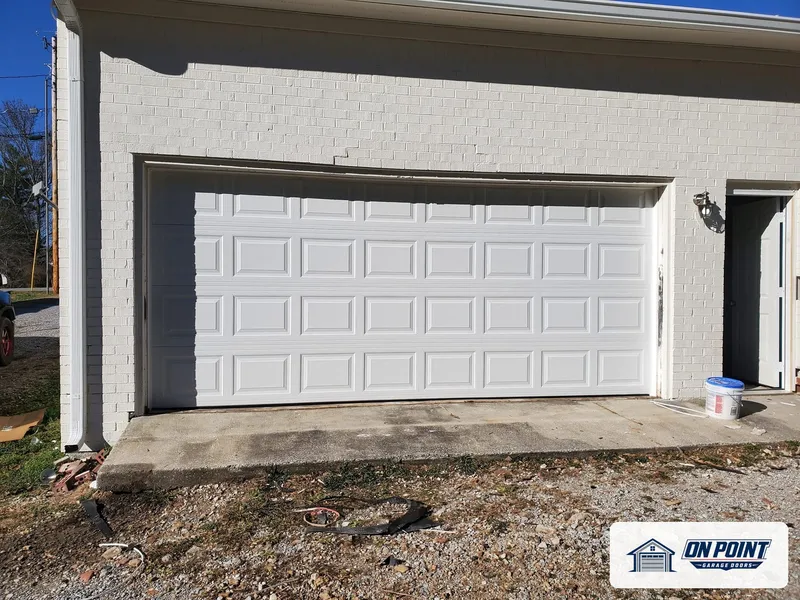
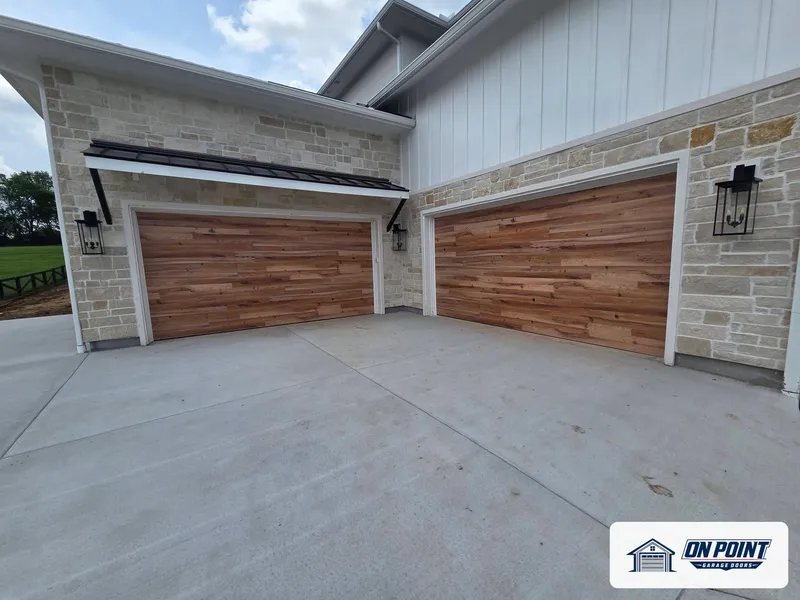
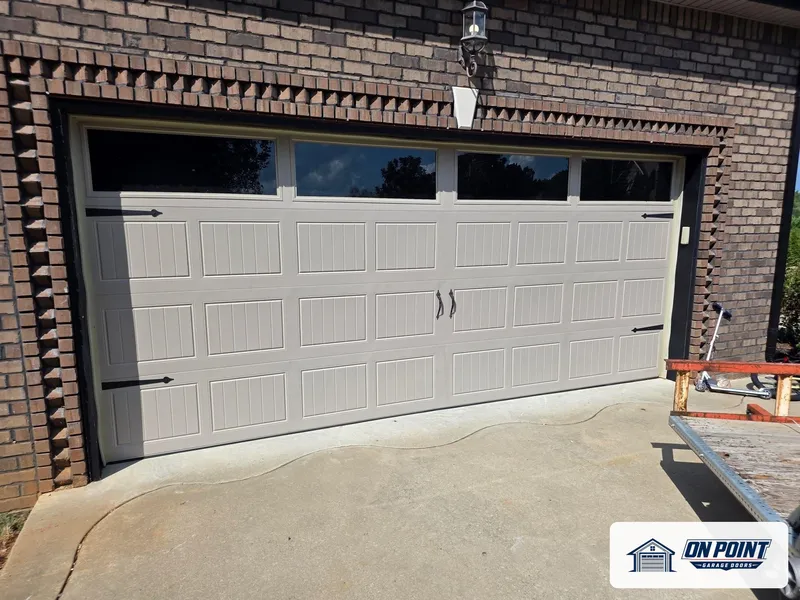
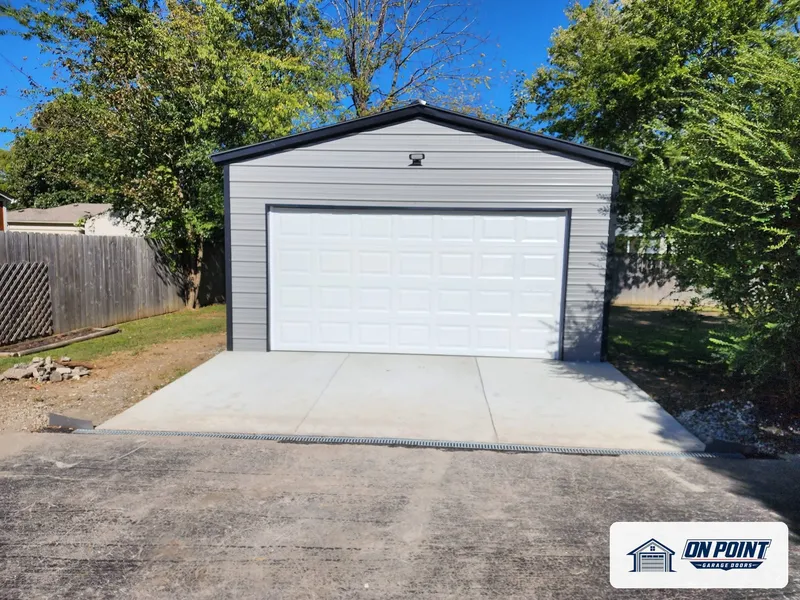
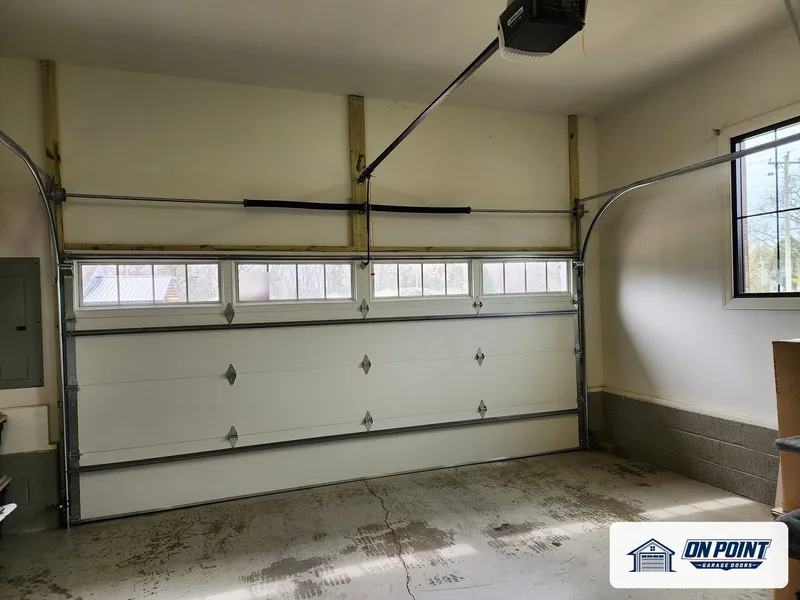
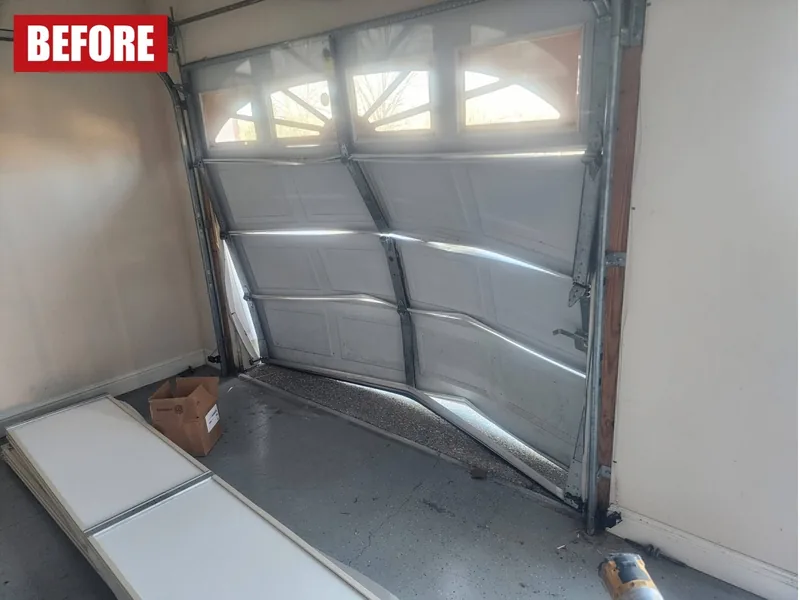
These photos are from our own jobs, with our logo on them.


Garage door repair in Midwood for the detached and semi-detached homes, their long driveways and rear garages, and the wood and carriage doors on them. Free estimate first.
On many blocks a long driveway runs down the side of the house to a garage out back. Those garages often missed every update the house itself got, and the door in one can be heavy wood or an early steel model patched more than once.
A garage that sits far from the street is easy to forget until the door stops working, and then the car is stuck behind the house.
Large old trees shade the driveways, and leaves and twigs collect at the bottom of the door and in the tracks. A door that binds in the fall often has debris in the track.
Shade also keeps moisture around the bottom of the door, which softens wood and rusts the bottom brackets.
A few rear garages still have swing-out doors or doors older than anyone in the house. Turning one into a modern sectional door with an opener is a frequent request, and the opening is measured with care because old openings are seldom square.
An old garage frame sometimes needs its jambs or header made stronger before a new door can hang in it, and you hear about that before any work begins.
Where two houses share one narrow driveway, scraped tracks and dented sections from passing cars are a regular sight.
A remote often cannot reach a garage that far behind the house, so a keypad or a smart opener tends to be added while the repair is under way.

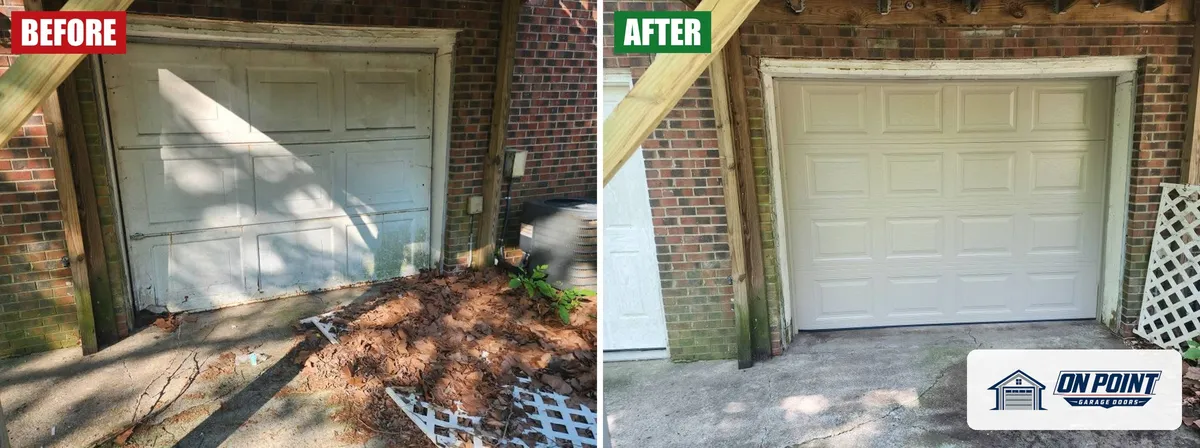
Detached houses, shared driveways and old rear garages get the same list of repairs, always with an inspection before anything is estimated.


Heavy wood doors. Wood doors need springs sized for their real weight. A sagging or drifting door points at the springs or the hinges.
Bare wood takes on water and gets heavier, which works the springs harder, so the finish is worth keeping up.
Old rear garages. Aging doors in aging frames stick and bind, so the frame and the opening get looked at along with the door.
Springs and cables. One loud bang followed by a door that will not go up means a spring has broken. On a heavy door, keep it down and call.
Openers. A grinding gear, a humming motor or a door that backs up at the floor each point to a different part, and every one is tested.
A door struck by a car in a tight shared driveway stays put until a technician has seen it.
Beyond these tree-lined blocks, we service homes throughout Brooklyn, Queens and Long Island.
Whatever you tell us about the door goes along with the technician, so he knows what it did before he walks up the driveway.
A car stuck in a garage behind the house moves ahead of routine work. Mention it when you reach us.
Winter. Wood doors shrink in dry cold air and old springs grow brittle; a door that labors in January deserves a look.
Spring. Damp months swell wooden panels until they drag on the jamb, which strains the springs and opener.
Summer. Strong sun cracks an old stain or paint finish, and bare wood starts drinking in moisture.
Fall. Leaf drop clogs tracks behind the house, so the fall is a natural time for a tune-up before winter.
He walks the full driveway, looks at the garage frame, then checks the door from springs down to the bottom seal.
Plain answers about what is wrong, plus a free estimate that separates each repair.
Parts are chosen to suit the door you own, and the look of a wood or carriage door is respected.
Old-style handles and strap hinges are matched where they can be, or swapped for a style that fits the age of the house.
Wherever an opener is mounted on the door, the auto-reverse is tried on the slab before he calls the job done.
Worn parts ride away in his truck, and the driveway is left open for the household and the neighbors.
Where a driveway is shared, he parks and works so the neighbor is never blocked.
A heads-up call comes before arrival, giving time to move a car out of the way.
The decision about what to fix is always yours.
A garage door rests on a few hard-working parts, and a heavy wood door asks more of each one.
The spring has to be sized to the door actually hanging; on an old rear garage that is often not the case.
Daylight showing between spring coils is an early sign one is about to fail, and both springs are looked at.
A frayed lift cable can let one corner of a heavy door fall; cables are always changed as a pair.
Leaves and garbage cans are the usual reason the sensor eyes stop a rear-garage door from closing.
Tight shared driveways mean scraped tracks; a door on a bent track can bind and must not be forced.
On garages this old the bottom of the track has usually rusted through, and new track changes how smoothly the door runs.
When an old opener is finished, you hear the choices, from quiet belt drives to phone-controlled models.
A keypad and a bright opener light make the walk to a garage at the back of the lot much easier after dark.
Say whether the door is wood, steel or an old swing-out, and what it does when you try to run it.
Free estimates, here and across our whole service area.
Describe the garage behind the house and choose a visit time; the estimate is free.
Call us at (929) 429-2429.
Say what the door does when it runs, and we send a free estimate back.