Takes 30 seconds. We call you back to set a time.
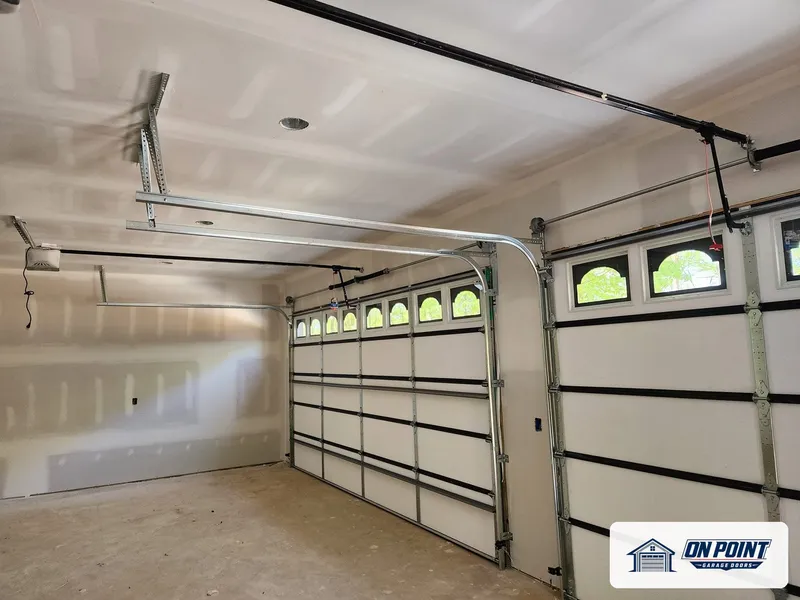
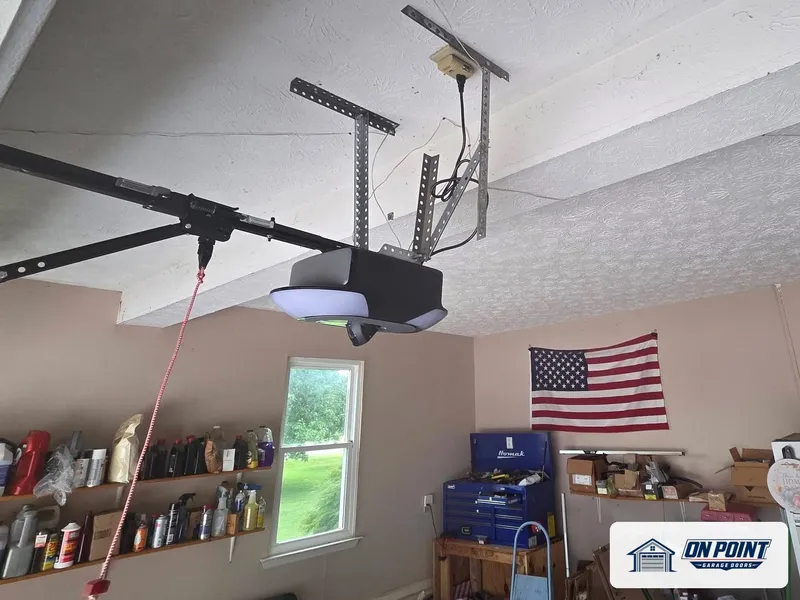
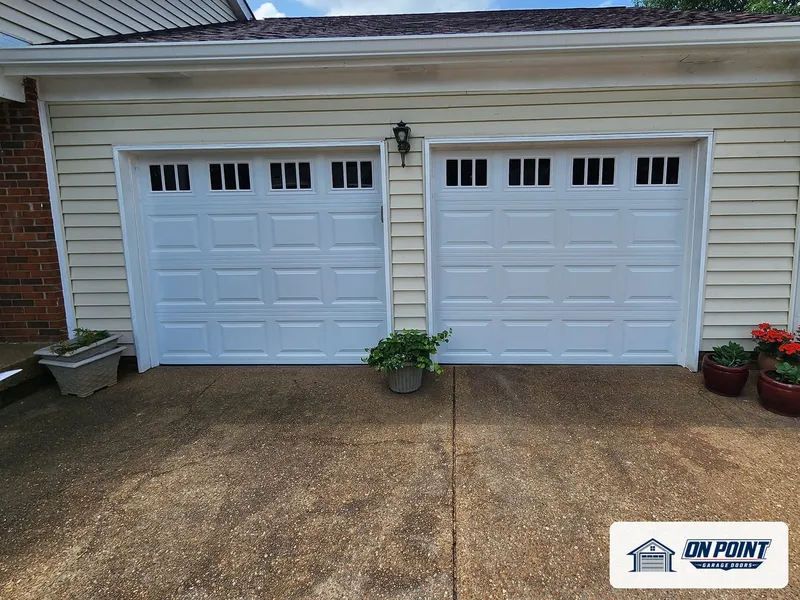
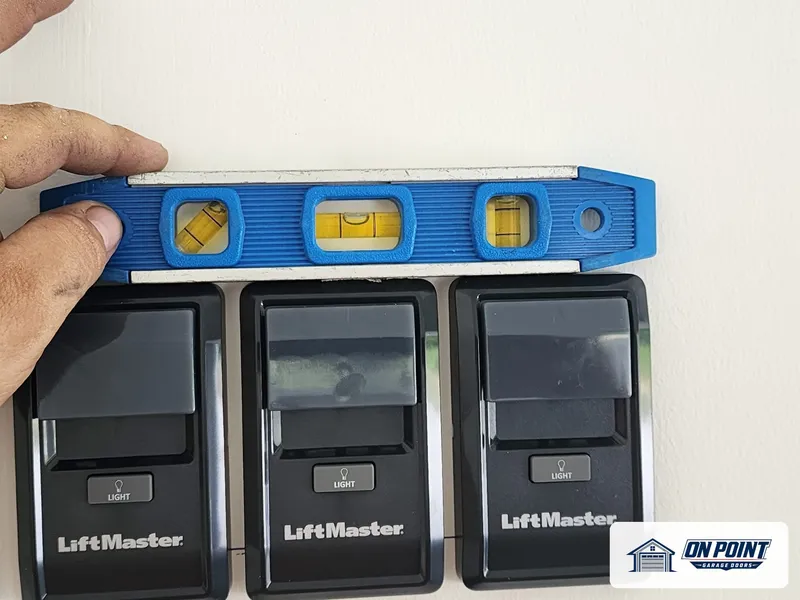
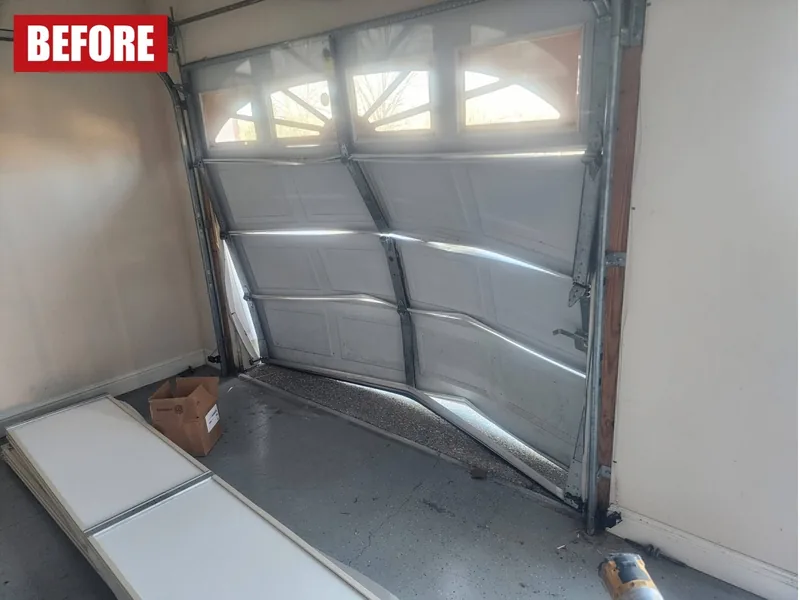
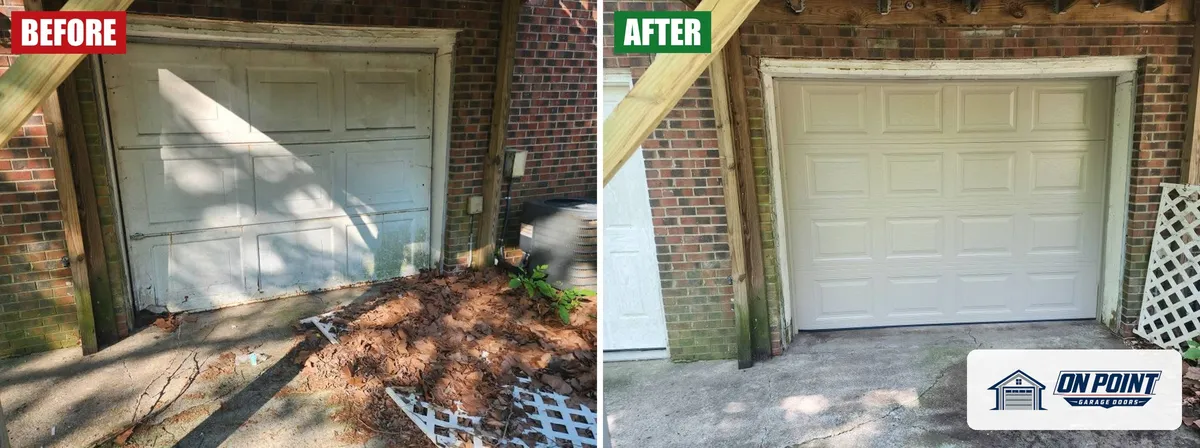
These photos are from our own jobs, with our logo on them.


Garage door repair in Kensington for the two-family frame and brick homes with small garages at the end of a shared driveway, the apartment buildings with parking below, the auto shops on the busy avenues, and the storefront gates along the shopping strip. Free estimate first.
Six-story prewar apartment buildings line the parkway and the wider avenues, a few of them with a garage or parking level below.
On the side streets, frame and brick two-family homes stand close together, many sharing one driveway between them.
Back garages carry small wood or thin steel doors, while the apartment buildings carry wider commercial doors.
Those shared driveways usually lead to a pair of small garages at the back, one for each house, built when cars were narrower.
Doors on those garages are often older than anything else on the property, and many have been patched more than once.
The parkway runs through the middle with tree-lined service roads, benches and a bike path that is among the oldest in the country.
At the north edge the parade ground fills with ball games, and the big park sits just beyond it.
Double-parked cars on the shopping strip slow the avenue, so the truck uses the parkway's service road.
Alternate side days fill the side streets, so mention where the truck can stop.
The shopping strip near the subway is full of Bangladeshi sweet shops, groceries and restaurants, with Polish, Mexican and Jewish shops along the same stretch.
One avenue on the west side holds auto shops, lumber yards and small warehouses under the elevated train line at the south end.
The neighborhood is one of the most mixed in the borough, with many languages heard on a single block.
Green-Wood Cemetery runs along the western edge, and Ditmas Park's large houses begin to the east.

Back garage on a shared driveway, parking level under an apartment building or a shop on the avenue, the door is checked before any number is named.
Owners of the frame homes often want the back garage door to look right with the restored porch.
Building managers often call when a parking door starts reversing for no clear reason.


Two-family homes with back garages. Narrow old openings, worn wood or thin steel doors, openers added much later.
A lighter door that fits the old opening often makes a tired opener last longer.
A door you can hardly lift past your waist has springs close to giving out.
On back garages that are rarely opened, springs can rust in place and then break on the first cold morning.
Apartment buildings with parking. Larger doors used by many tenants, often on commercial openers.
He checks the safety devices and the operator as one set and writes it up for the manager.
Auto shops and yards. Wide roll-ups and sectional doors open from morning to closing.
Heavier springs and tougher bottom bars keep them running straight.
A keypad helps tenants in a two-family home share the back garage.
Storefronts on the strip. Roll-down gates that go up every morning and come down late at night.
A gate that grinds or hangs halfway is looked at in the hood and the guides.
An insulated door helps a back garage used for storage stay drier and warmer.
If a door on a shared driveway has come off its track, ask both households to leave it closed until it is seen.
A car squeezing into an old narrow garage rubs the jamb and bends the bottom section.
Bins and bikes left on a shared driveway get pushed into the door when the other household backs out.
Kensington is a regular stop on our Brooklyn runs, between the parkway and the cemetery, and our crews also cover Queens and Long Island.
Anything you mention about the house, the building or the shop goes to the technician.
A parking door stuck open at an apartment building, or a car shut in a back garage, is seen ahead of tune-ups.
If the parking door of a building is stuck open, mention it when you call.
Winter. Snow piles up at the end of narrow shared driveways where the plow cannot reach.
Grit from the elevated line and the avenues settles in the track and the gate guides.
Spring. Rain runs down the driveways and collects in front of back garages that sit lower than the street.
Summer. Heat bakes the old seals on the back garages, and the shopping strip runs its gates longer.
Fall. Leaves from the parkway's old trees blow into every gate guide and door track.
He runs the door with the opener, then unhooks it and lifts it to feel how much of the weight the springs still carry.
On a garage shared by two families he walks the driveway with whoever is home before starting.
He shows you every worn roller, hinge, spring or cable and writes each one on a free estimate.
Springs are matched to the old door as it weighs now, after decades of paint and repairs.
On a back garage he checks the jambs and the header, which are often soft on these older buildings.
He lowers the door onto a piece of wood to prove it stops and goes back up.
The old springs and cables leave the driveway with him.
When he finishes, you run the door from the button and the remote while he watches it close.
If your garage is behind the house on a shared driveway, tell us so he knows to walk back.
He calls as he gets close to the block.
Both owners on a shared driveway are welcome to look at the estimate, and nothing is changed until you agree.
If an old back garage door only needs springs and rollers, he leaves it at that.
Old back garages, shared driveways and busy commercial doors on the avenues bring most of the calls here.
If a spring has snapped, the door is too heavy to lift safely; leave it down and call.
Longer-life springs suit a parking door used by a whole building.
Cables on old back garages fray at the bottom brackets, so both are swapped together.
While they are off, the drums and bearings are checked for wear.
Photo eyes are bolted firm and aimed past the strollers, bikes and recycling bins kept by the door.
Track hit by a car turning into a narrow back garage is trued or replaced.
Brackets on soft old jambs are moved into sound wood.
Openers and operators are tested alone first, so only the part that failed is replaced.
A keypad saves both families on a shared driveway from passing remotes back and forth.
Tell us whether the garage is at the back of a shared driveway, under a building or at a shop.
The estimate is free.
Yes. If both households want their doors looked at, tell us when you book and he checks both on the same trip. Each owner gets a separate written estimate, and nothing is changed on either door until its owner agrees.
Usually yes. A new door can be made for an older, narrower opening, and sometimes a slimmer track or side brackets free up some extra room. He measures the opening and checks the jambs, which are often soft on these older garages.
Most often it is the photo eyes, the safety edge at the bottom, or the operator's force setting. On a door used by many tenants, eyes get knocked out of line and edges wear. He tests each safety device and the operator, then writes up what failed.
Not usually. Grinding on a storefront gate is often worn guides, a dry spring in the hood or a bent slat. He opens the hood, checks the spring and guides, and tells you whether a repair will do before anything new is suggested.
Please do not force it. Springs on a garage that sits closed for long periods can rust and break, and forcing the door can bend the track. Leave it closed and call, and he will check the springs and cables before the door is moved.
Let us know what the door or the gate is doing, choose a slot, and the estimate is free.
Call us at (929) 429-2429.
Say what the door or the gate does, and a free estimate is sent back.