Serving Brooklyn, Queens and Long Island(929) 429-2429Open six days a weekFree estimateGuaranteed work
On Point Garage Doors
Open 24 hours Sun-Thu, Fri until 5 pm Free estimate Springs, openers, cables We come to you
Emergency?Call nowBook free estimate
Attached brick rows and busy avenues

Flatlands Garage Door Repair

Free estimateSame-day serviceCommon parts on board
  • Free estimate
  • Same-day service
  • Common parts on board
Emergency garage door repair★★★★★ 5.0 on Google · 42 reviews

Book your free estimate

Takes 30 seconds. We call you back to set a time.

Or just call (929) 429-2429 and talk it through.

Home › Flatlands Garage Door Repair

Real jobs. Real photos.

These photos are from our own jobs, with our logo on them.

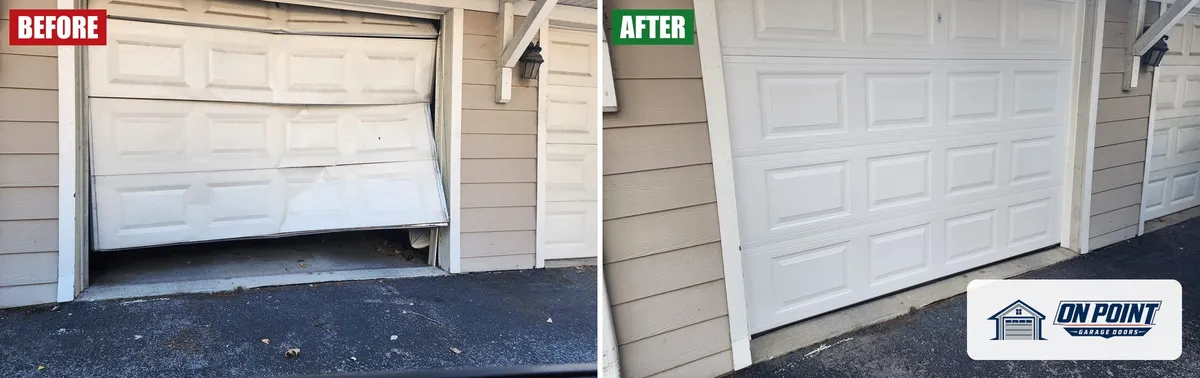
Bent door, replaced: before and after photo from one of our jobs
Bent door, replaced
New door and opener, photo from one of our jobs
New door and opener
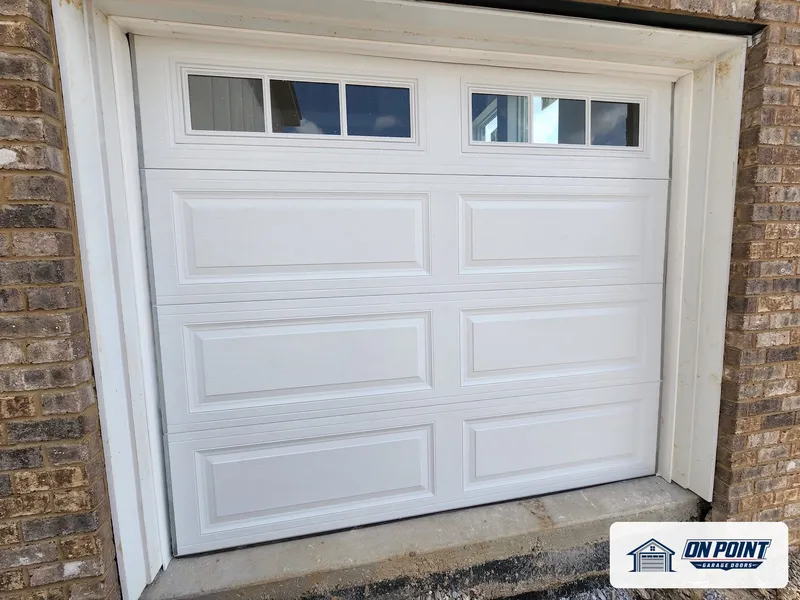
New white door, photo from one of our jobs
New white door

Garage door repair for the attached and semi-attached brick homes with a garage in front or below, the detached houses on the quieter blocks, and the auto shops and stores along the busy avenues. Every door is looked over and a free estimate is written first.

Rows of matching garages

On many blocks, every house in the row has the same garage below the stoop, built at the same time, so the doors and springs on the block tend to wear out around the same years.

When neighbors start calling about broken springs, the rest of the row is usually close behind.

On a block where every door was hung in the same years, owners often ask for a new door in the color the row already carries, so the street keeps its even look.

Some owners want a new door that matches the neighbors' so the row stays uniform.

Colors and panel styles are chosen to fit in.

Body shops, tire shops and repair garages along the wide avenues open their bay doors before the first customer and close them long after, sometimes dozens of times a day.

Those doors need high-cycle springs and heavy rollers, and the operators get a lot of use.

Traffic on the big avenues makes backing out of short driveways tricky, and doors get clipped.

Short driveways mean cars park inches from the door, and bumpers meet bottom panels.

A bent bottom section is a common call.

Some garages are now storage rooms, and a door that rarely moves can still snap a spring.

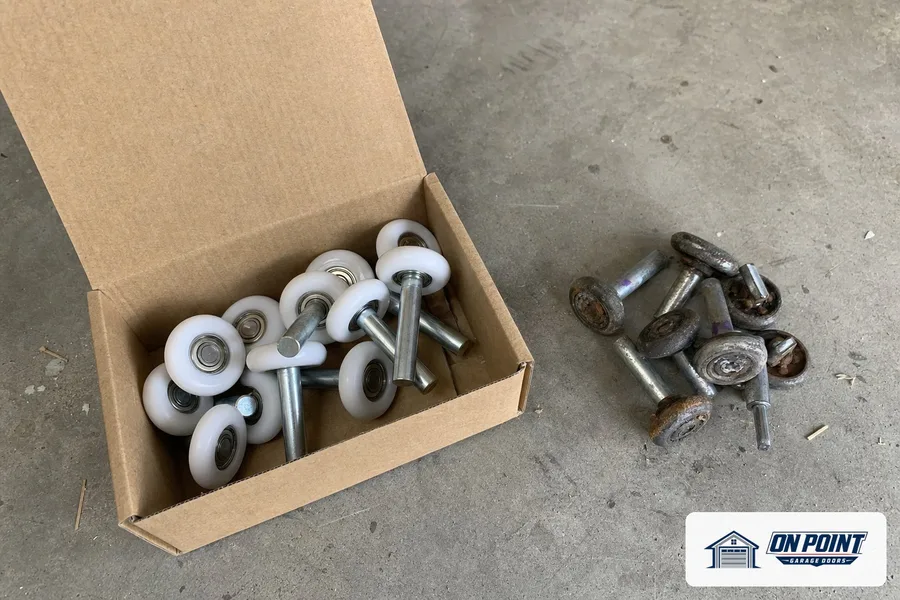
New garage door rollers next to the worn ones they replaced

Doors we handle in the brick rows

A row house with a garage below, a detached home with a driveway, or a shop with three bays: every door is run and checked before anything goes on paper.

When several houses on the same row need springs around the same time, neighbors sometimes book together, and each door is still sized and balanced on its own.

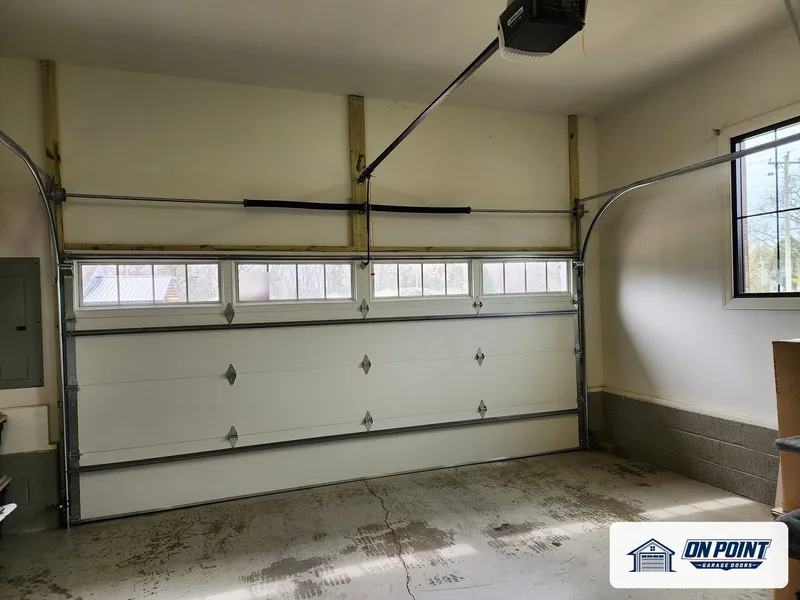
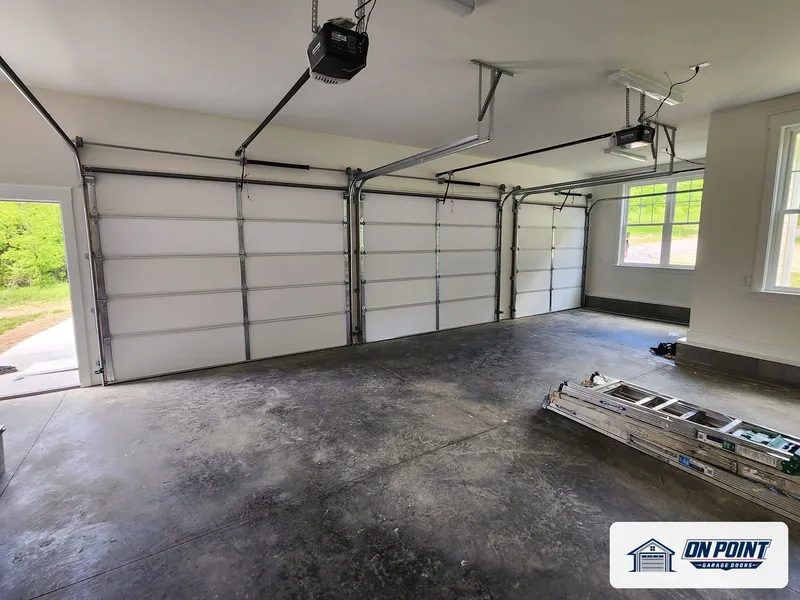
Two new garage doors and openers seen from inside, an On Point Garage Doors job
On Point Garage Doors job photo: new garage door window row brick
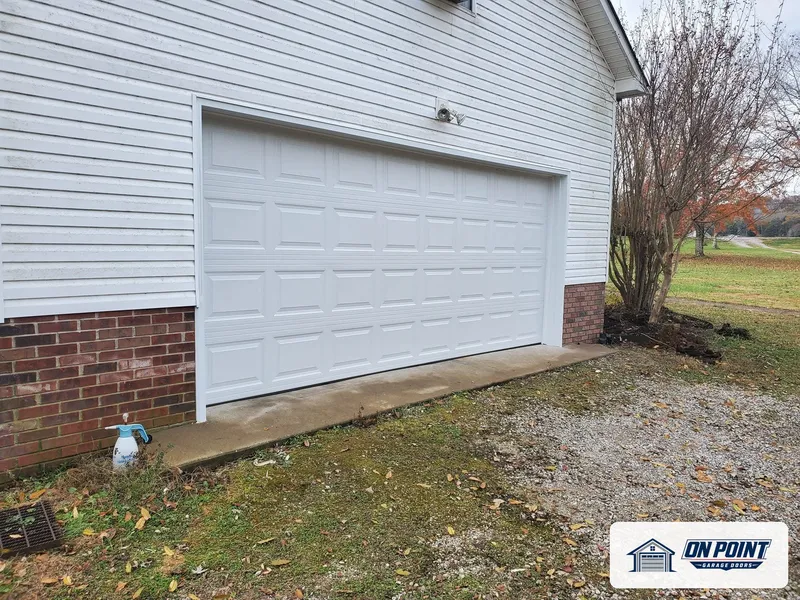
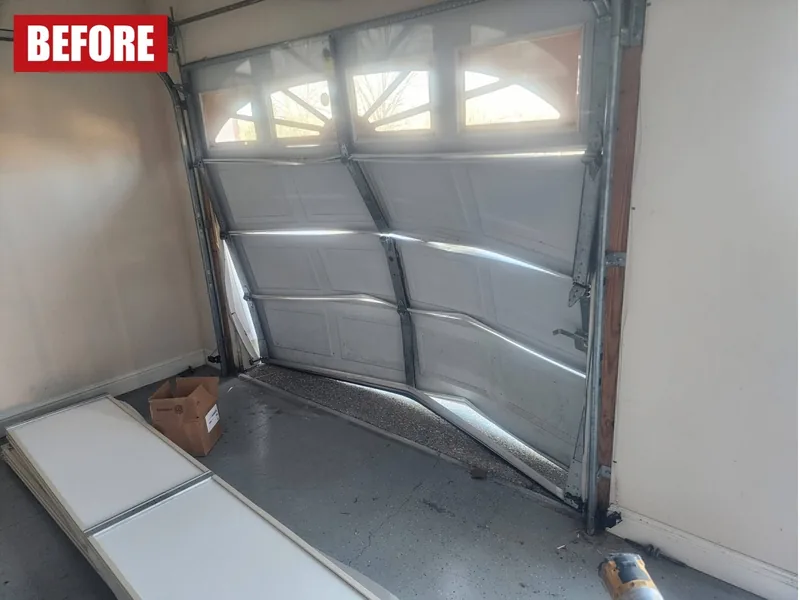
Caved-in garage door panels before On Point Garage Doors replaced the door

Row garage, house garage, shop bay

Garages below the stoop. Broken springs, worn rollers and old openers under the living room.

A belt drive keeps the house above quiet.

When a door below the stoop suddenly takes real effort to lift, the springs are tested first with the opener unhooked, because a tired spring is the usual culprit.

Bent bottom panels. Damage from bumpers on short driveways.

A matching section goes in when one is still made.

Shop bay doors. Longer-life springs, heavy rollers, cables, drums and commercial operators sized to how often the door cycles in a working day.

Photo eyes and reversing edges on shop doors are tested on every visit, since customers walk under them all day.

New doors. Insulated doors that match the rest of the row.

Old drafty doors are hauled away.

Insulated doors cut street noise for the living room above.

If a bumper has met the door, keep the opener off and the door down until a technician has looked at the sections and both tracks.

A car nosing up to a door on a short driveway can push the bottom section in and bow the track on that side, so the panel and the track are checked together.

Brooklyn first, then Queens and Long Island

The brick rows, the quieter detached blocks and the avenue shops are a regular stop on our Brooklyn route, and the same crews work Queens and Long Island.

Whatever you tell us on the call, which house in the row, what the door did, whether it is a shop bay, is in the technician's notes before he sets out.

A car shut in below the house, or a shop bay door that will not come down at closing, is treated as urgent; say so when you call.

On a crowded block where the garage is the only spot off the street, a door that will not open moves the visit up the list.

Through the year on the brick blocks

Winter. Cold mornings finish off springs that the whole row installed around the same time.

Short driveways collect ice right at the door; let it melt rather than forcing the opener.

Spring. Rain runs down short driveways to the door.

Summer. Sun beating on the street-facing doors dries out the bottom rubber and fades the paint on the older steel.

Fall. A tune-up before winter catches the spring that is close to going while the job can still be planned around your week.

Opening the job at the garage

He opens and closes it a few times, then goes part by part through springs, cables, rollers, hinges, track and opener.

He shows you the worn parts and writes up a free estimate before touching anything.

Springs are sized to what each door weighs and how often it runs, so a shop bay gets longer-life springs while a house door gets the size its weight calls for.

The springs, cables, rollers and bottom seals these doors use most ride along in the truck.

The safety reverse is shown working before he leaves.

The old door, if replaced, and every worn part go back in his truck.

He works the door for you before leaving.

The difference a crew from close by makes

Auto shop doors can be done early, before the first car rolls in.

He calls on the way.

Nothing is changed on the door until you have said yes to it.

Weak spots on row doors and shop doors

Matching rows and busy shops wear in their own ways.

Once a spring snaps the door has nothing holding its weight, so leave it down, keep the kids back and call us.

Shop doors that cycle all day get longer-life springs, and house doors get springs matched to their real weight.

Lift cables fray at the bottom corners where water and road salt collect, so both are renewed together and the door rises level.

Worn drums go with them.

Photo eyes are mounted solidly, away from bumpers and bins.

Tracks bowed by bumpers are straightened when the steel allows it and replaced when it has creased.

Track brackets that have worked loose from old brick and block are anchored again into sound masonry.

An opener is tested one part at a time, with the door unhooked, before anything on it is changed.

A shop operator is matched to how many times a day the bay door runs, not just to the size of the opening.

Putting a visit on the calendar

Say whether it is a house or a shop, which door is giving trouble and what it does, and the right parts load up before he leaves.

Every estimate is free.

Questions from the brick rows

Most doors on our row went in around the same years, and two neighbors had springs snap this winter. Should we have ours looked at?

It is worth it. Springs count their life in trips up and down, and on a row where the houses were built and finished together, the doors tend to reach the end of that life close to each other. A technician can measure how stretched and rusted your springs are and tell you plainly whether they have years left or are close to going.

Our car sits inches from the door on a short driveway, and the bottom panel is bent. Can only that section be changed?

Often it can, when the maker still offers a matching section for that door. The technician checks whether the hit also bowed the track or bent the hinges and rollers on that side. If a matching section is no longer made, he explains the choices, which can include a new door that matches the rest of the row.

Our repair shop's bay door goes up and down all day. Why do the springs on it give out so often?

Every spring is built for a certain number of trips, and a bay door at a busy shop can use up a house-grade spring's whole life in a fraction of the time. The fix is springs wound for far more cycles, rollers and drums meant for heavy traffic, and a commercial operator. On each visit the photo eyes and the safety edge are tested, since customers walk under that door.

The living room sits right over our garage and the floor trembles when the door runs. Can that be fixed?

Usually, yes. In these rows the opener hangs from the joists that carry the living room floor, so a worn chain unit is felt through the boards. Swapping in a belt-drive opener on isolated hangers and putting nylon rollers on the door takes away most of the shaking, and an insulated door also blocks a good share of the traffic noise from the avenue.

We stopped parking in our garage and use it for storage. Can the door be left alone?

Not for good. Even a door that never moves holds its springs wound tight, and a garage full of boxes tends to get damp, which stiffens rollers and hinges and rusts the cable ends. Stacked shelving can also lean on a track and bend it. Running the door through its full travel on a visit shows whether the balance and the track are still sound.

Your garage opening smoothly again

Tell us which house in the row and what the door is doing, then pick a slot; the estimate is free.

Call us at (929) 429-2429.

A free estimate for row garages, detached homes and shop bays

Tell us what the door is doing, and a free estimate comes back whatever you decide.

Or just call (929) 429-2429 and talk it through.

More repairs