Takes 30 seconds. We call you back to set a time.
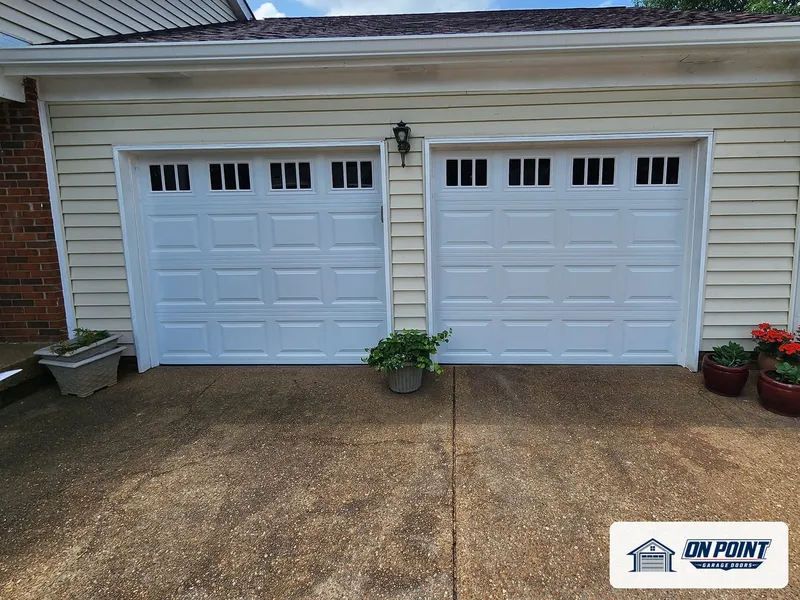
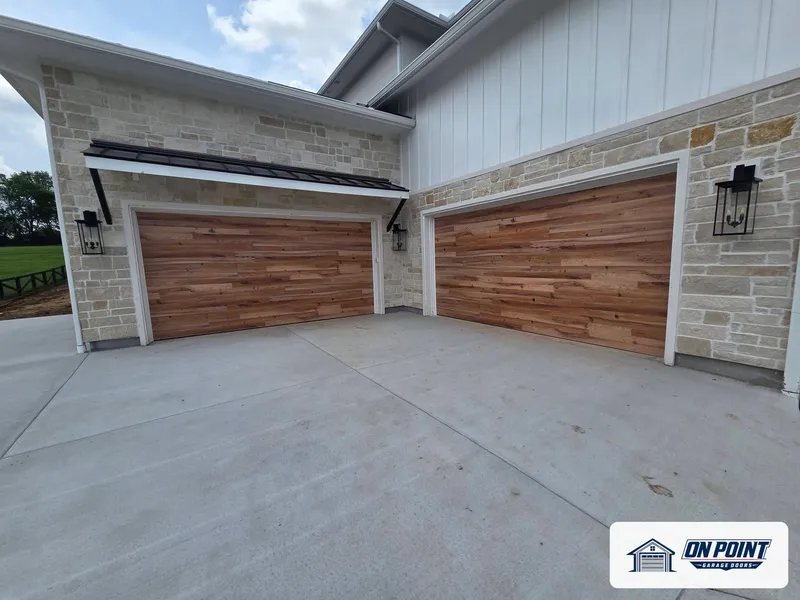
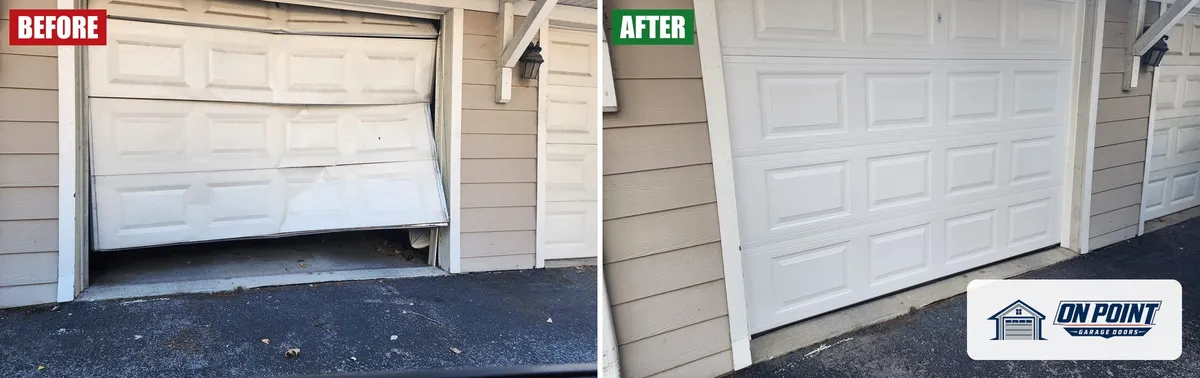
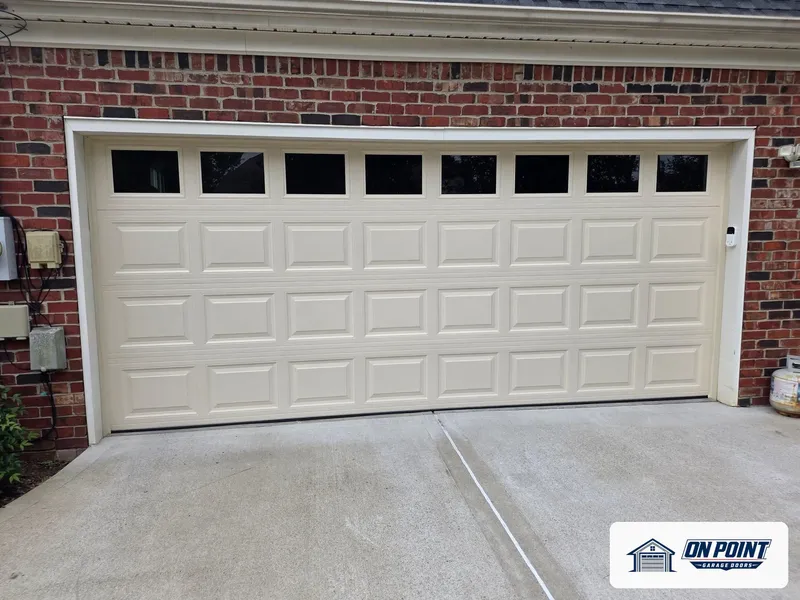
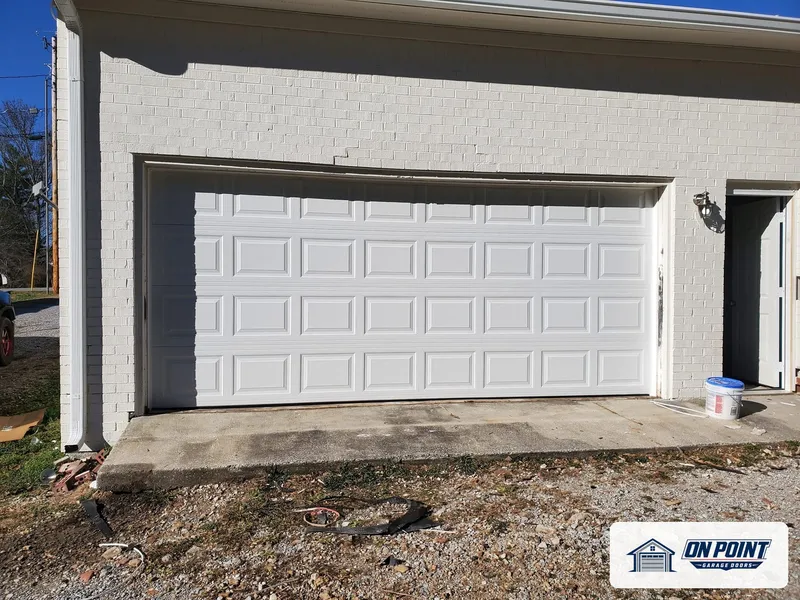
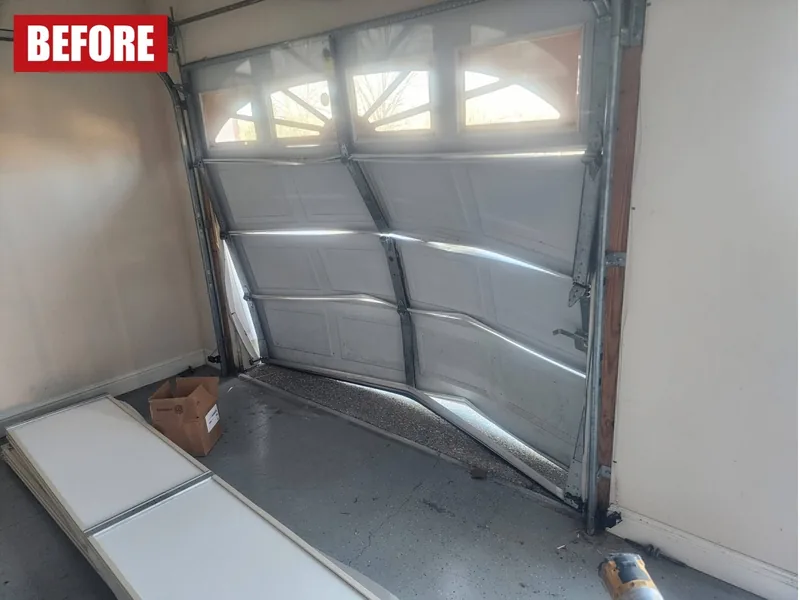
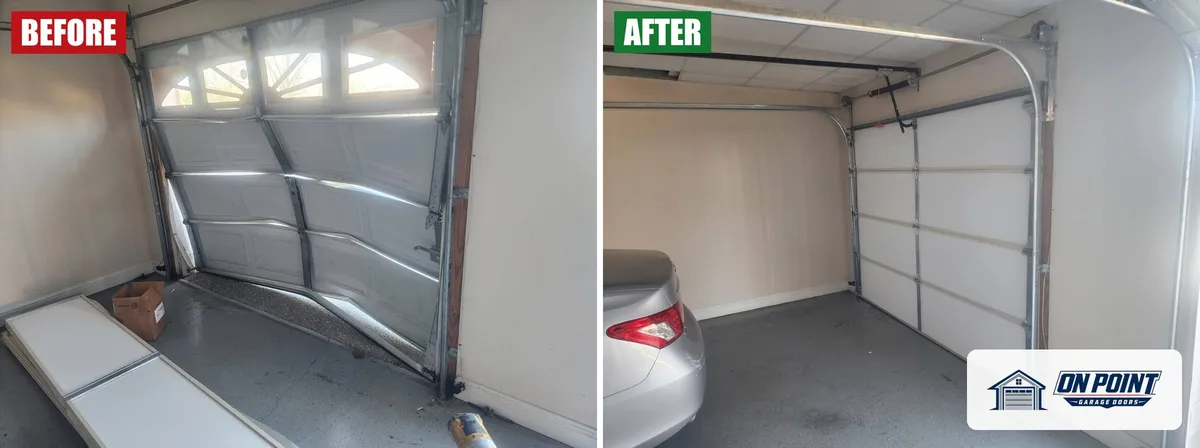
These photos are from our own jobs, with our logo on them.


Garage door repair in Crown Heights for the converted carriage houses, the frame homes with front garages on the side streets, the parking garages under apartment buildings and the roll-down gates along the shopping avenues. Free estimate first.
Most blocks here are brownstones and limestone row houses with no garage at all, so the homes that do have one tend to use it every day, for the car, for deliveries and as the easiest way in with groceries.
A door that gets that much use wears its springs and rollers out sooner than a suburban door that opens twice a day.
Old carriage houses and stables on a few side streets were turned into garages long ago, and their openings are often a custom size or slightly out of square.
Those openings get measured with care, and the frame is looked over before any door is ordered.
Storefronts along the busy avenues open and close their roll-down gates every morning and night, and a gate that sticks halfway leaves a shop unable to open or to lock.
When a gate refuses to come down at closing, the store is left open, so those calls go to the top of the list.
Nostrand, Utica and Franklin Avenues carry most of the shops, with gates rolling up early and down late.
Apartment buildings with a garage under the building have wide doors that cycle all day for many tenants.
Those doors need heavier springs, rollers and openers than a house door, and they are serviced to match that use.
Eastern Parkway cuts through the middle with its wide malls and service roads, and the blocks on either side hold some of the few private garages here.

Garage door, building door or shop gate, it is looked at in person before any figure is given.


Home garages. Snapped torsion springs, frayed cables, tired rollers and openers that labor are what we see most.
A door that is used as the front door of the house gets longer-life springs when they are replaced.
Carriage-house openings. Odd sizes and old framing make these doors bind or leave gaps.
The jambs and header are checked for rot, and the door is set square to the opening.
Building garages. Wide sectional and rolling doors under apartment buildings get commercial-grade parts.
Remote and fob systems shared by many tenants are tested after any opener work.
Roll-down gates. A gate that drops fast, drags, jams or will not lock usually needs spring tension, slats or a new bottom bar.
Motorized gates have their operators and limit settings checked.
If a car or delivery truck struck the door or gate, leave it where it is until it has been checked.
We provide same-day service across Crown Heights and the rest of the borough, plus Queens and Long Island.
What you tell us on the call is passed to the technician ahead of the visit.
A car shut inside, or a shop gate stuck open at night, goes ahead of routine work.
Winter. Cold turns old springs brittle, and the door that opens all day is the one that snaps first.
Spring. Rain and melting snow run toward low garage entrances and rust the bottom of doors and tracks.
Summer. Heat dries out seals and gate guides, and a gate that squeals now tends to jam later.
Fall. A check before the cold catches a tired spring while the repair can still be planned.
First he runs the door or gate and watches the whole trip, then looks at the springs, cables, rollers, track and the opener or motor.
You get the problem in plain language and a free estimate broken down by part.
Parts are matched to the door's true size and weight, odd carriage-house openings included.
The springs, cables and rollers city doors use most are carried with him.
The safety reverse on any opener is tested before he leaves.
Old parts leave with him, and the sidewalk in front of the garage is left clear.
On parade day in late summer, the parkway closes, so tell us if your garage sits on one of the blocks that day.
Storefront gates can be scheduled before the shop opens.
A call comes before arrival.
No work starts until you agree to it.
On garages that open many times a day, the springs and rollers wear out first.
With a broken spring, the door becomes dead weight. Keep it shut, stand clear and call.
Gaps opening up between the coils mean a spring is near the end of its life.
Cables fray where water sits at the bottom bracket, so both sides get new ones together.
Worn drums are swapped out along with the cables.
Sensors near the sidewalk get kicked and knocked out of line, so they are mounted solidly.
A bumper-bent track makes the door bind, and it is straightened or replaced before the door runs again.
Lower track eaten by rust is cut away and replaced.
The opener's board and gears are tested before any part is changed.
If the opener is truly worn out, he walks you through quiet belt drives and models you can run from your phone.
Let us know if it is a house garage, a building door or a store gate, and what it is doing.
Every estimate is free.
Tell us about the door or gate and choose a time. The estimate is free.
Call us at (929) 429-2429.
Say what the door or gate is doing; the estimate is free either way.