Takes 30 seconds. We call you back to set a time.
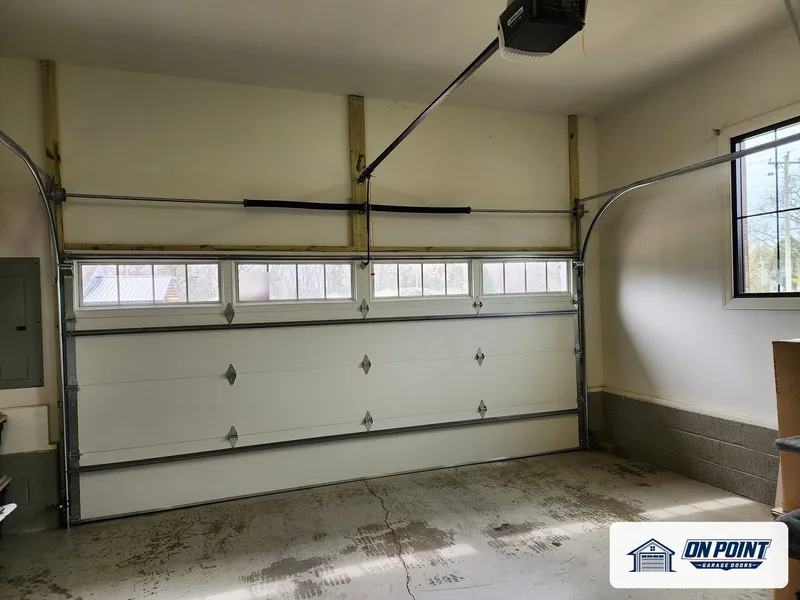
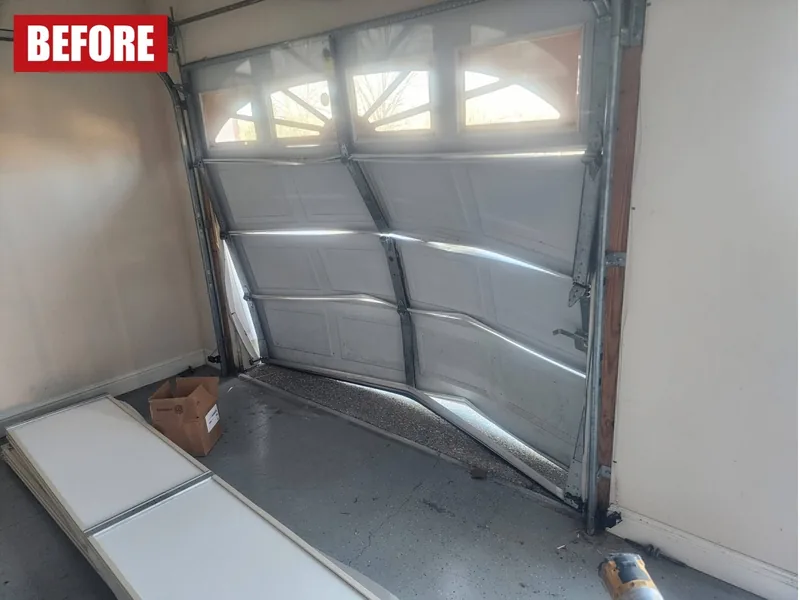
These photos are from our own jobs, with our logo on them.


Garage door repair in College Point for the homes with attached garages and the workshops, warehouses and industrial buildings with roll-up and large sectional doors. Free estimate first.
Residential streets with attached and detached garages sit next to an industrial area full of warehouses, distribution buildings and workshops, so the doors here range from a single house door to wide commercial openings.
Each kind fails in its own way, so the first step is identifying the door, its spring system and its operator.
Commercial doors here cycle many times a day and carry heavier springs and longer cables than house doors, so small problems grow fast if they are left alone.
A loading door that stops working can hold up a full day of shipments from the corporate park, so it goes to the front of the line.
Blocks near Flushing Bay, the park on the point and the waterfront get damp air that rusts the bottom of doors and the lower track first.
Trucks and forklifts around industrial doors mean bent tracks, damaged bottom sections and knocked guides are common.
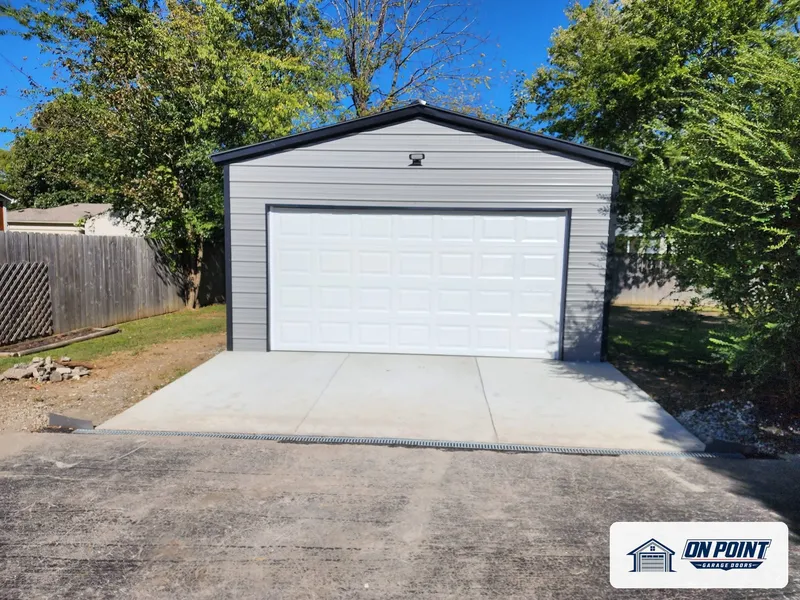
Homes here often have garages at the side or rear, with driveways shared between neighbors.
Some houses have a workshop in the garage, and tools or shelving near the track can rub the door.

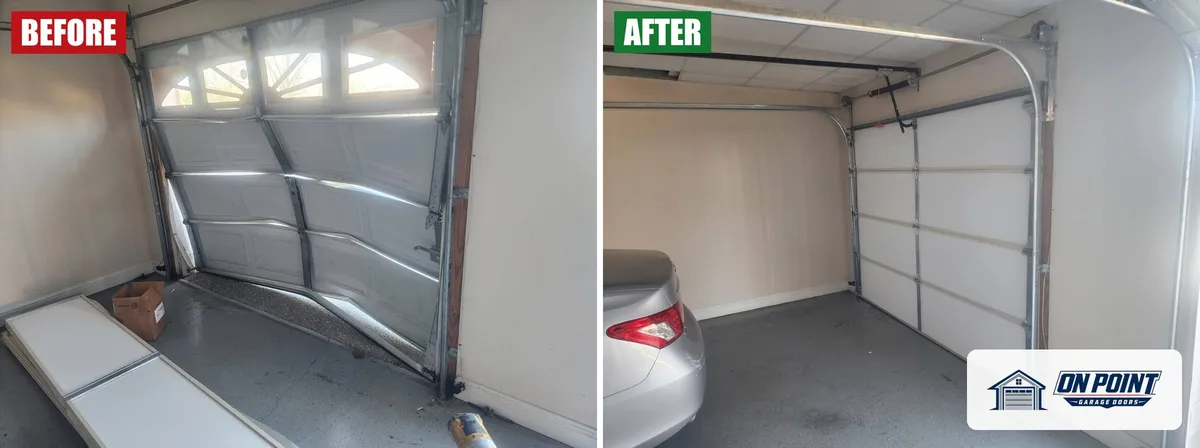
Homes and businesses go through the same steps: the door is looked over, then estimated.
The old institute building and the shops along the boulevard sit a short drive from the warehouses, the big stores and the police academy campus by the expressway.


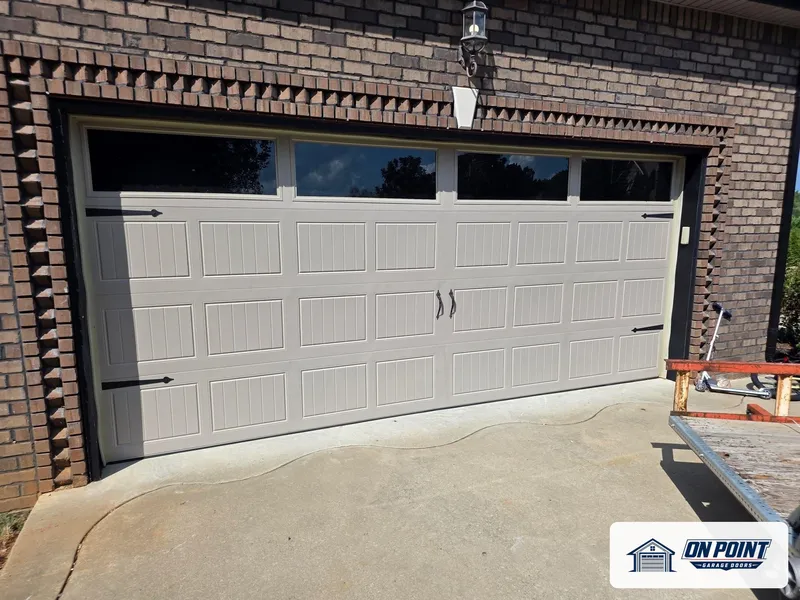
House garages. Snapped springs, frayed cables, worn rollers and openers that grind or reverse are the calls we get most.
When a house door turns heavy, the spring is the first thing tested.
Roll-up doors. Steel roll-ups are balanced by a spring inside the barrel; one that is hard to lift or stops partway usually has a tired spring or bent slats.
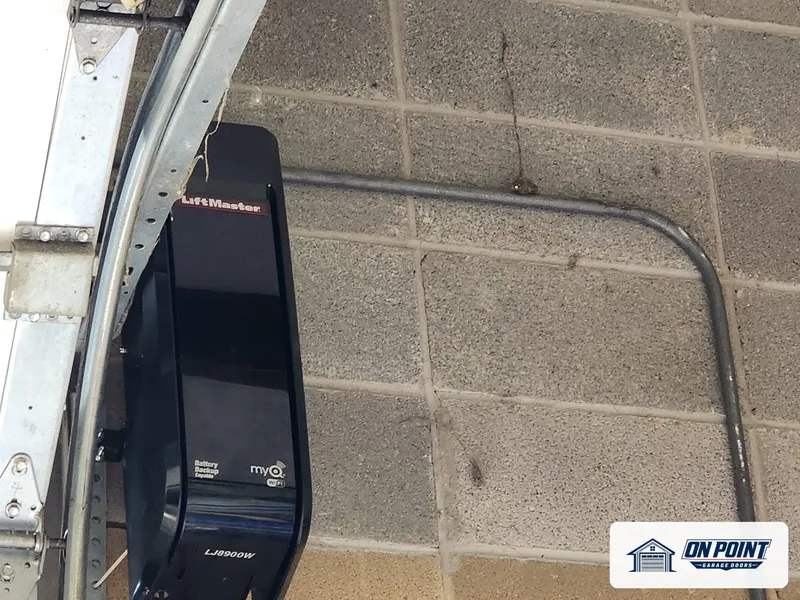
Chain hoists and motor operators are checked during the same visit.
Commercial sectional doors. Wide, heavy doors work their springs and cables hard and usually run on a wall-mounted operator.
Dock and loading doors. Bent bottom sections and damaged weather seals let in wind and water and are replaced.
Weather seals along the sides and top of a commercial door keep heat in and wind out, and worn ones are replaced.
A door hit by a truck or a forklift should stay as it is until it has been checked.
After a truck or forklift strike, the bottom section, the tracks and the cables are all looked at, since the damage rarely stops at one part.
From these blocks our crews cover the rest of Queens, Brooklyn and Long Island.
What you tell us on the call goes with the technician to the job.
A loading door that will not close, or a car shut in at home, goes ahead of routine work. Say so when you call.
Winter. Cold and wind off the bay are hard on wide doors and their springs, and the commercial doors feel it most.
Spring. Damp air leaves rust at the foot of doors after winter, so brackets and seals get a look.
Summer. Heat expands steel slats and dries out seals, and roll-up doors may start to drag.
Fall. Before the cold, a check of springs, cables and operators keeps the busy season from being interrupted.
He identifies the door and its operator, watches it run, then checks the springs, cables, track or guides and the motor.
He explains what he found and gives you a free estimate with each item listed.
Parts are matched to the door, house or commercial, and anything that must be ordered is explained first.
Openers and operators are tested to stop and reverse safely before the job is called done.
Old parts go with him, and the work area is left clean.
For a business, the work is timed to keep the door out of use as little as possible.
For a home, he calls before arriving so the driveway can be cleared.
What gets repaired is your choice.
House or warehouse, a door relies on a few heavy-duty parts, and constant use wears them faster.
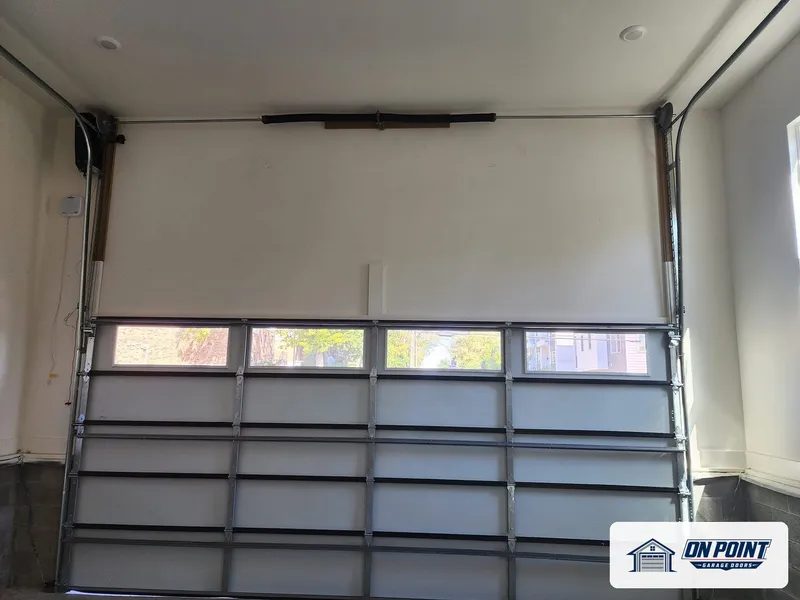
Springs carry the weight on every kind of door; once one breaks, the door should stay where it is.
Cables on commercial doors are longer and heavier; they are checked along their full length and replaced in pairs.
Safety devices on house doors and commercial operators are tested; a door that will not close often has a blocked or bumped sensor.
Tracks and roll-up guides bent by trucks are the most common damage at work buildings; the door is not run until they are reset.
Operators that stop short or run past their limits get their settings and safety devices checked; if one is finished, the options are explained.
Tell us if it is a house door or a commercial door, roughly how big, and what it is doing.
Estimates are free for homes and businesses.
Describe the door, choose a time that suits the house or the business, and the estimate is free.
Call us at (929) 429-2429.
Say what the door or operator is doing; the estimate is free either way.