Takes 30 seconds. We call you back to set a time.
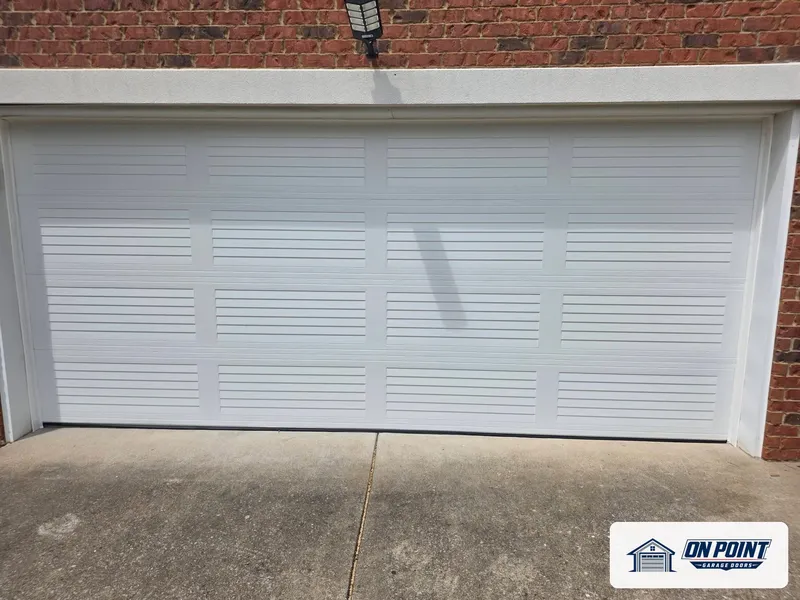
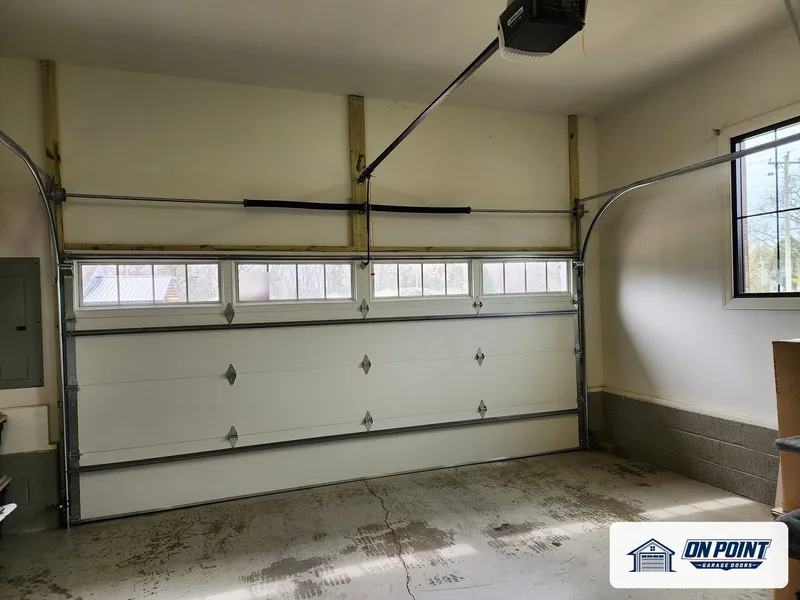
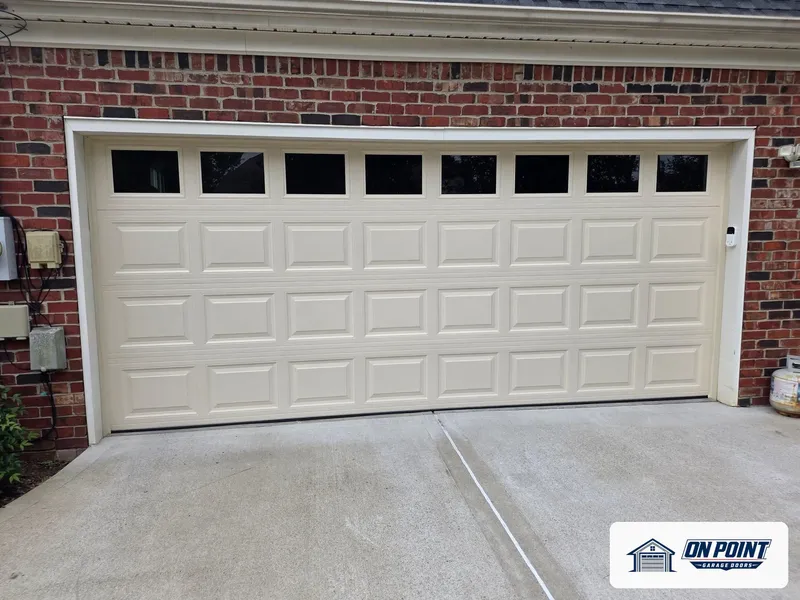
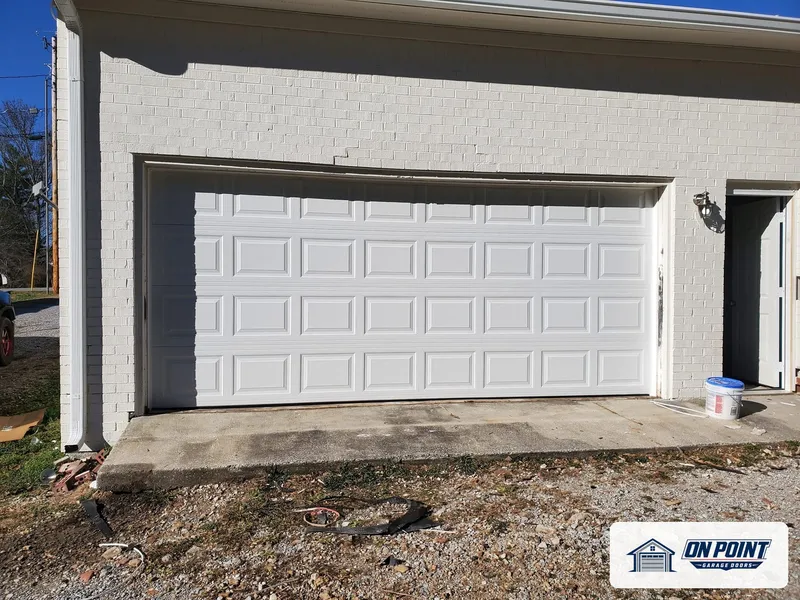
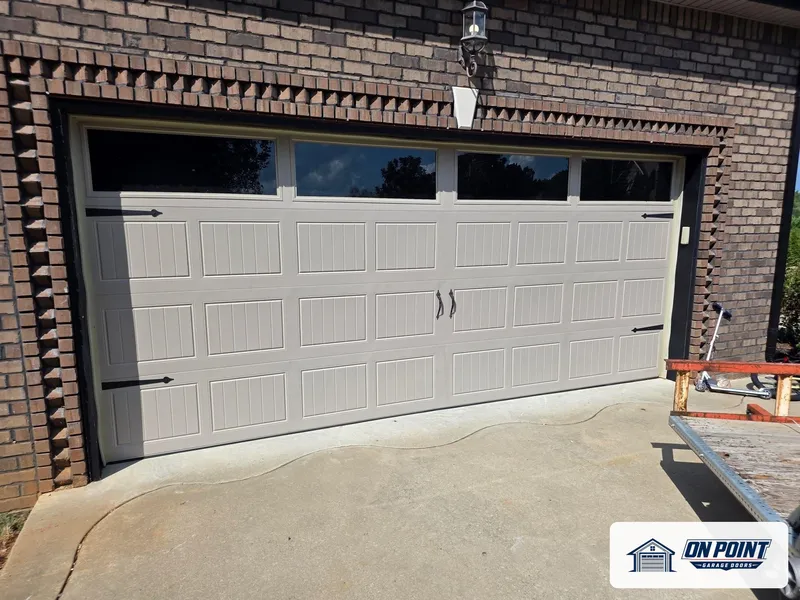
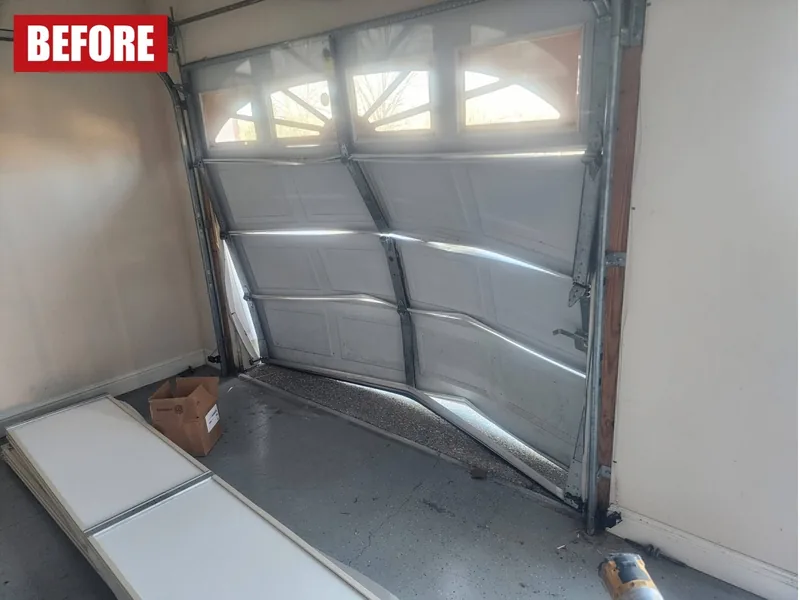
These photos are from our own jobs, with our logo on them.


Garage door repair in Bushwick for the roll-up doors on warehouses and converted lofts, the auto shops and workshops, the shop gates under the elevated train and the row houses with front garages. Free estimate first.
Many old factories and warehouses are now studios, venues, breweries and workshops, and they kept their big roll-up and sectional doors.
Those doors are often decades old, heavy and hand-operated, and their springs and guides have been patched more than once.
Glass and aluminum doors are a popular choice for breweries and cafes that want an open front in good weather.
Owners converting a warehouse often want to motorize an old roll-up door or replace it with an insulated or glass door.
The opening, the header and the guides are checked before any new door or operator is planned.
Shops along the avenues under the train tracks open and close their gates daily, and vibration and grit from above wear the guides and slats.
A shop gate under the tracks that refuses to lock at closing jumps to the front of our list.
Murals cover many of the old roll-up doors, and owners want the door fixed without losing the art, so slats are repaired rather than replaced when possible.
Row houses with a garage at street level often have short driveways and doors that get clipped by cars.
When a bumper has caught one of those doors, it stays closed until the technician has seen the sections and the track.
Venues, galleries and studios often roll their doors up late in the evening, so a door that will not come back down after a show leaves the room open to the street.

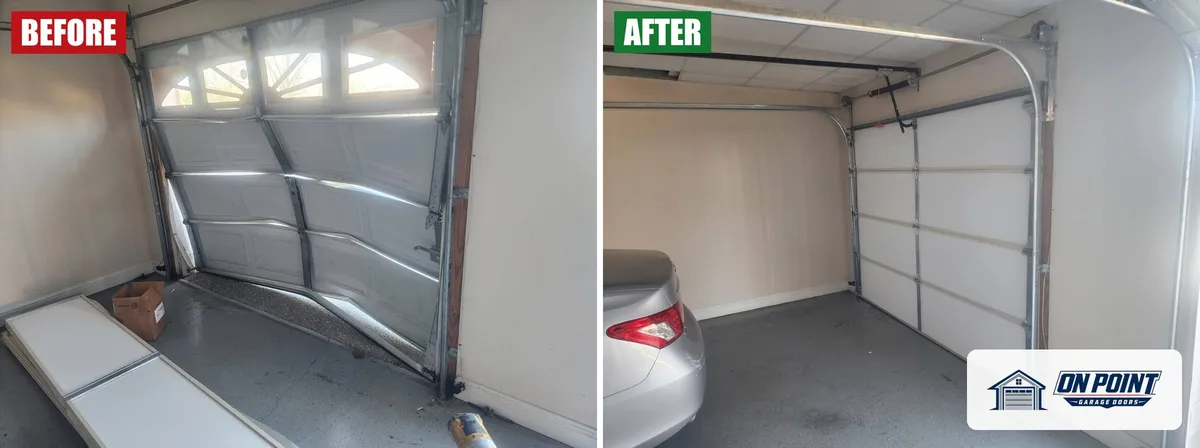
Warehouse, shop or house, every door gets the same start: inspection first, then the estimate.


Roll-up doors. Doors that are heavy to lift, drop on their own or drag in the guides usually need spring tension or new slats.
Bent bottom bars from trucks and carts are replaced.
If an old roll-up door is hard to lift, spring tension is tested before anything else.
Sectional doors on converted lofts and shops. The calls are mostly snapped springs, flat rollers and openers that have run for decades.
Doors that a brewery or a workshop opens all day get heavier rollers and longer-life springs.
Storefront gates. Motors, limit settings, slats and locks are checked and fixed.
Hand-cranked gates can be converted to a motor where the building allows it.
Hand-chain roll-up doors can often take a motor, which makes a heavy door far easier to use every day.
Row house garages. Broken torsion springs, frayed cables and noisy openers are the most common problems.
Remotes, keypads and wall buttons are paired again once the work is finished.
Insulated sectional doors help converted lofts and studios hold heat through the winter.
A roll-up or gate that a truck or a forklift has bumped is not run again until a technician has looked it over.
A delivery truck backing to a loading bay can bend the bottom bar and both guides in one hit, so all three are looked at together.
The loft blocks and shop rows under the elevated line are a regular stop on our Brooklyn route, and the same crews work Queens and Long Island.
Anything you mention, which building, which bay, what the door did, is passed to the technician before he heads out.
A loading door stuck open after a delivery, or a car shut inside a row-house garage, goes ahead of routine work.
Winter. Cold stiffens old roll-up springs and freezes bottom seals to the slab.
On the coldest mornings the rubber at the bottom of a warehouse door can freeze to the concrete; the door is left to let go on its own, not forced with the motor.
Spring. Rain and grit wash into gate guides and the bottom of warehouse doors.
Summer. Heat makes un-insulated metal doors hot to the touch and dries out seals; venues open doors for air all day.
Fall. A checkup before the cold catches tired springs on doors that cycle all day for deliveries and events.
He watches the door or gate move, then checks springs, cables, rollers, guides, tracks and the operator.
He explains what broke in everyday words and writes a free estimate with each part on its own line.
Parts are matched to the door's real size, weight and use, from a house garage to a warehouse door.
Common springs, cables and rollers are carried on the truck.
Safety reverse, photo eyes and safety edges are tested before he leaves.
Worn springs, cables and slats ride off in his truck instead of sitting on the sidewalk.
Each door is run up and down in front of you before he leaves.
Work on business doors can be planned around deliveries, load-ins and the start of the workday.
He gives you a call when he is on the way, so someone can open the gate.
You decide; nothing starts without your yes.
On old industrial doors, springs and guides set the schedule.
Once a spring on a heavy roll-up lets go, the curtain is dead weight. Leave it where it is, keep people clear, and call us.
Old roll-up springs lose tension slowly, so a door that gets harder to lift is a warning.
Cables on sectional doors fray at the bottom bracket; both sides are replaced together.
Worn drums and dry bearings get looked at on the same visit as the cables.
Photo eyes on busy loading doors get hit and misaligned; they are mounted where carts will not reach them.
A guide or track bent by a truck makes the curtain bind and jump; it is straightened or swapped before the door runs again.
Brackets that have pulled out of old masonry are reset solidly.
The operator's motor, brake and limits are tested one by one, so only the piece that failed gets changed.
When an operator is worn out, a commercial unit sized to the door is explained.
Tell us whether it is a warehouse, a shop gate or a house garage.
Every estimate is free, whether you go ahead or not.
Tell us what the door or gate is doing and choose a visit that fits the business or the household; estimates are free.
Call us at (929) 429-2429.
Say how the door behaves when you run it, and we write back with a free estimate.