Takes 30 seconds. We call you back to set a time.
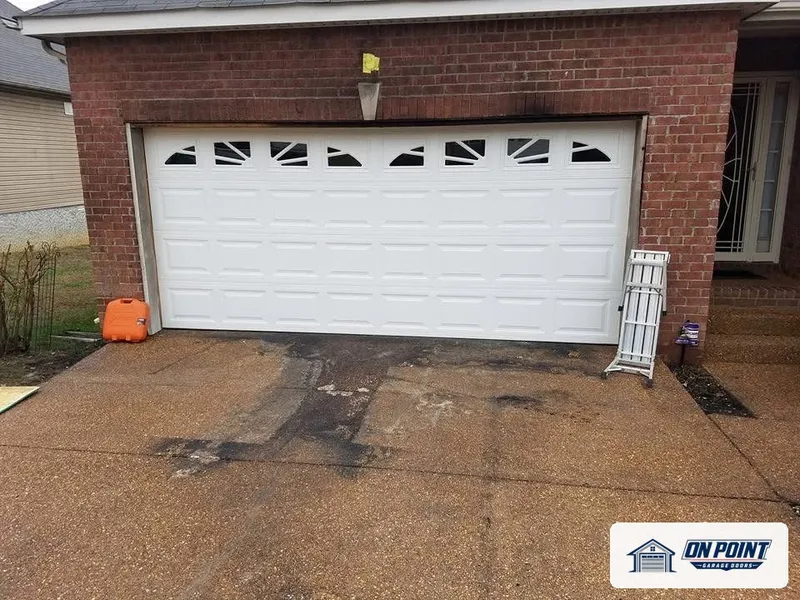
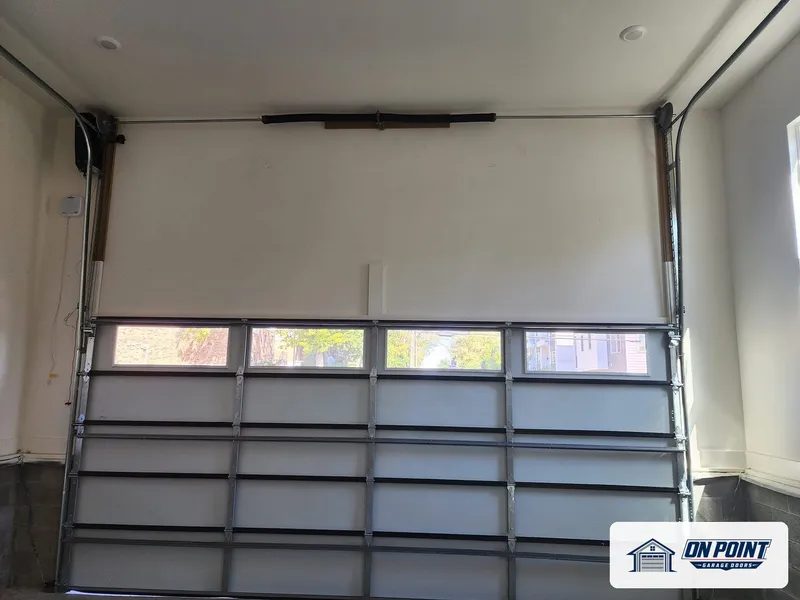
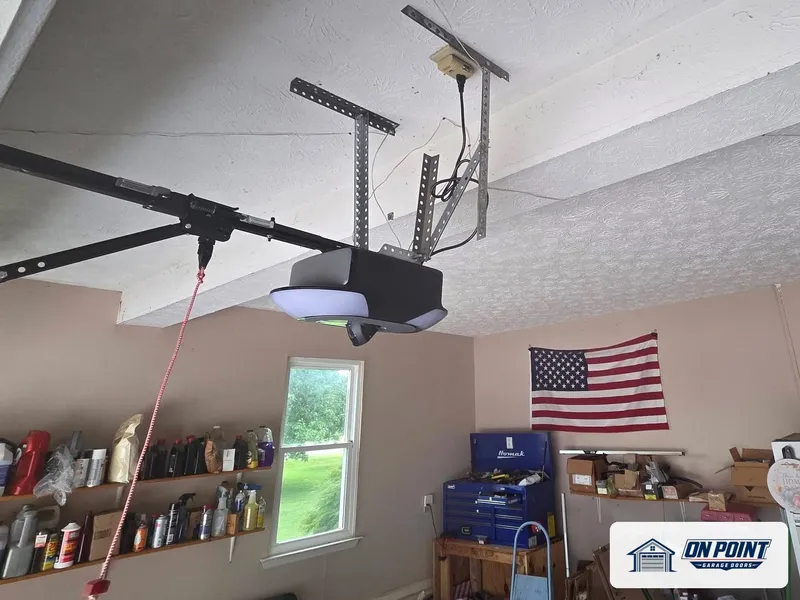
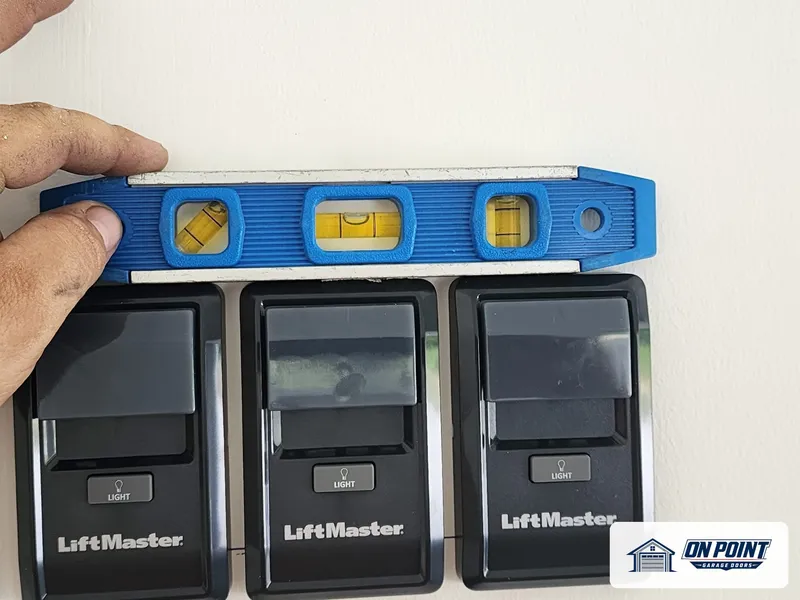
These photos are from our own jobs, with our logo on them.


Garage door repair in Brighton Beach for the small houses and two-family homes with garages on the side streets, the apartment buildings with parking, and the busy shops and restaurants under the elevated train along the avenue. Free estimate first.
The side streets between the avenue and the boardwalk are packed with small houses, attached homes and low apartment buildings.
North of the tracks, some homes began as summer bungalows on lanes barely wide enough for a cart, and any garage added since had to squeeze into whatever land was left.
Garages here are tight, with short driveways or doors opening right onto the street.
White and almond steel doors suit the small houses and attached homes.
Apartment buildings with residents' parking use garage doors that cycle constantly.
The larger condominium buildings along the sand add wide entrances to underground parking, where one failed part holds up every driver in the building.
Heavy-duty springs and operators keep those entrances from becoming a daily problem.
The avenue under the elevated train is lined with markets, bakeries and restaurants, each with a roll-down gate.
Vibration from the trains and daily use shake gate hardware out of place over time, and a stuck gate at closing is an urgent call.
Shoppers and deliveries crowd the avenue, and parking on the side streets is tight.
Sea air from the beach reaches every block and rusts springs, cables and fasteners faster than inland.
The big storm surge of a past fall put salt water into garages and basements all over this end of the peninsula, and hardware that sat in it may still be corroding.
Coated parts are recommended for doors and gates near the water.
Several households often share one garage in the two-family homes, and the door may run far more often than its springs were chosen for.

A bungalow garage, a condominium ramp or a market gate beneath the tracks, we see it working, or failing to, before anything is written.
When a two-family house is getting new front steps or railings, it is a natural moment to look at the garage door beside them, since the rail posts and the track can compete for the same bit of masonry.


Small house garages. Tight openings, short driveways and doors that face the street.
Low-headroom track and sturdy bottom sections.
A door that has gotten heavy usually has springs weakened by salt and age, so they are tested first.
Building garages. Springs and rollers rated for constant traffic, operators with enough muscle, and safety edges that still answer when they are squeezed.
On those entrances the reversal, the beam and the hold-open timing are all tried before the residents get the door back.
Avenue gates. Curtains, barrel springs, padlock hasps and motors, all living with the rumble of the line overhead.
Loose guides and brackets are anchored again.
Markets along the avenue that receive deliveries at dawn need their gates to lift smoothly every single morning, so motors and springs are sized for that.
Salt damage. Rusted cables, bottom fixtures and track near the beach.
Galvanized hardware is used.
Where the living room shares a wall with the garage, foam-filled sections blunt the winter wind that comes straight off the ocean.
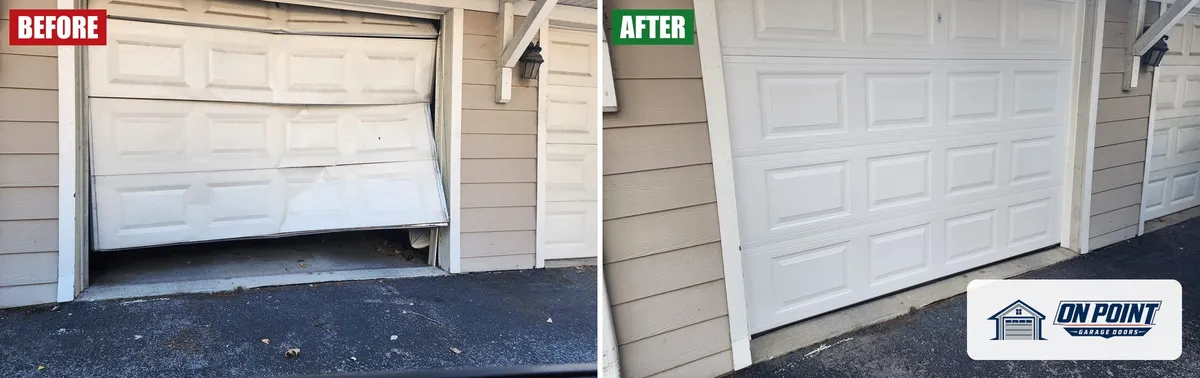
When a delivery truck has backed into a door or a gate, leave it exactly where it stopped until the guides and fixtures have been examined.
Backing out of a short driveway onto a narrow street, a car can clip the jamb, so the track beside it is checked too.
Brighton Beach is in the southern Brooklyn area we serve, boardwalk to parkway; we take work in Queens and on Long Island too.
Mention the kind of opening, a home, a residents' ramp or a storefront, and who will be there to let the technician in.
Residents who cannot drive out and a store that cannot secure its front are put ahead of routine visits.
A market with food inside and a gate that refuses to come down should say exactly that on the phone, so the visit can be moved up.
Winter. Wind off the water and hard frosts break worn springs.
The gusts also carry sand up the side streets, where it settles in rollers, hinges and the bottom of gate guides and grinds there until spring.
On frozen mornings let the bottom seal thaw before running the opener.
Spring. Rain and salt mist rust the bottoms of doors and gates.
Summer. Beach crowds fill the streets and gates face long, hot days.
Parking all but vanishes on a sunny weekend, so a weekday visit is kinder to everyone.
Fall. Before winter storms, seals are renewed and openers get backup batteries.
He sends the door or gate through a few trips with the train noise in mind, separating what rattles by itself from what rattles when the line shakes it, and then inspects each moving part.
Near the beach he clears salt and sand from the hardware before deciding what is worn.
He tells you what is worn and gives a free estimate written by part.
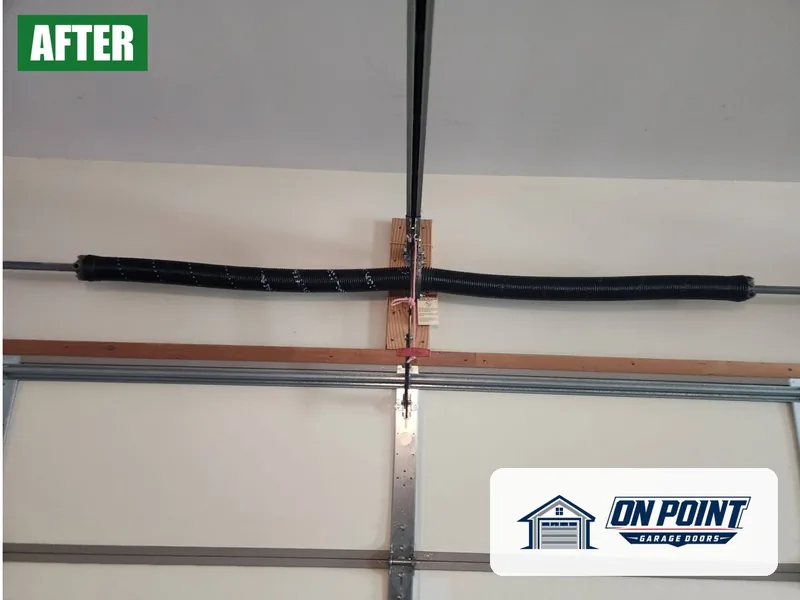
Springs are picked for the door's weight and how often it runs.
Galvanized or coated replacements are offered for anything that breathes salt all year.
He shows the door reversing off an object before he leaves.
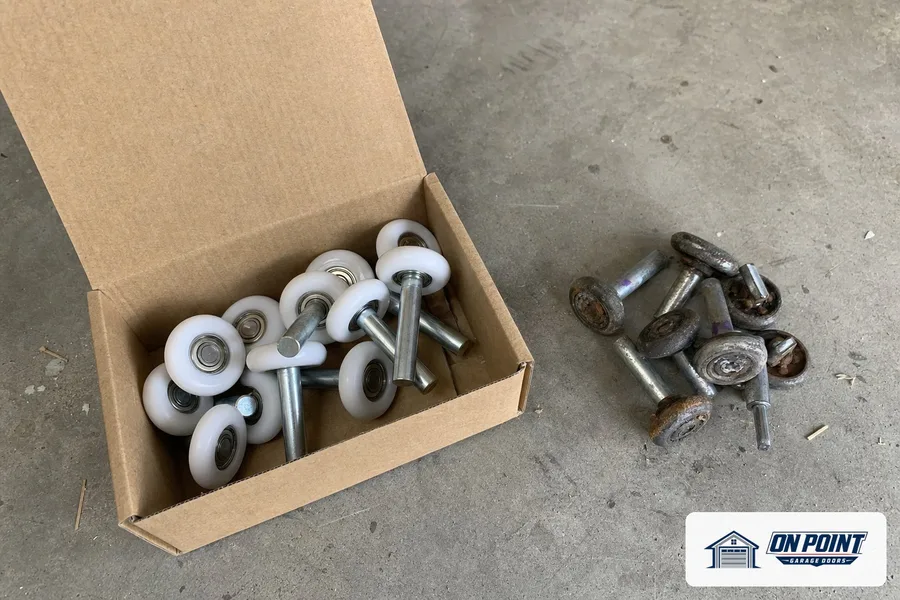
The corroded pieces are carried off to the truck instead of left by the stoop.
He keeps running it with you until it rides smoothly.
Shops can book before opening or after closing.
He calls on the way.
You approve the work first.
Should a tired gate need only some slats and a bottom bar, you hear that before any talk of a whole new curtain.
Salt air, train vibration and constant use set the pace here.
A broken spring leaves the door unbalanced; keep it down and call.
In a rusty garage the failure can come early, because pits in the steel become the weak point of the coil.
Building doors get high-cycle springs.
Lift cables fray at the bottom in the salt air and are changed in pairs.
Drums are checked with them.
The photo eyes and their brackets are looked over for corrosion and bolted back solid.
Rusted bottom track is replaced.
Gate guides shaken loose by the trains are re-anchored.
Each motor is proved bad on its own, away from a binding curtain or a heavy door, before it is replaced.
Keypads and remotes are reset for every resident or employee.
Let us know how close to the boardwalk it is.
The closer to the sand, the more likely it is that fasteners will have to be drilled out instead of unscrewed.
Every estimate is free.
On these blocks, all of it is close enough. Salt rides the wind well past the first row of buildings and settles on springs, cable ends, hinges and track. The doors that suffer soonest are the ones facing the water and the ones rarely washed by rain. Coated hardware, sealed rollers and a yearly look slow it down, but nothing steel is immune this near the sand.
Steady vibration can work on fasteners, especially anchors set in old brick or patched mortar, though a bent slat or a weak spring can produce much the same rattle and drag. The technician looks at the guides, end brackets, hood and anchors along with the curtain. Where fixings have moved, they are set into sound material, and where the cause is wear, you are told so.
Whoever manages the building, such as the superintendent, the managing agent or a board member, because someone has to open the mechanical space and approve the estimate. Residents can still report what they saw: where it stopped, any noise and whether a car touched it. Until it is checked, keep drivers from running the operator again and again, which can wreck a gearbox or throw the cables.
It deserves a look. Salt left inside cable strands, bearings, electrical boxes and the lowest fixtures keeps corroding long after a floor dries, so a part can let go much later. The inspection covers those places first and the spring shaft after them. If everything is sound you hear that too, along with what to watch, such as orange dust under a cable or a new grinding sound.
For repairs, generally yes, since springs, cables, rollers and openers can be walked in from the nearest street. Long door sections and track need a clear path without tight turns, so mention steps, fences and overhead wires when you book. The technician measures the route as well as the opening, and if a standard section cannot make the trip, that is raised before anything is ordered.
Say what failed and where the opening is, choose a day that avoids the beach traffic if you can, and the estimate is free.
Call us at (929) 429-2429.
Describe the rust, the noise or the spot where it jams, and a free estimate comes back for you to think over.