Serving Brooklyn, Queens and Long Island(929) 429-2429Open six days a weekFree estimateGuaranteed work
On Point Garage Doors
Open 24 hours Sun-Thu, Fri until 5 pm Free estimate Springs, openers, cables We come to you
Emergency?Call nowBook free estimate
New York, NY - open six days a week

Garage door winter problems

Free estimateSame-day serviceCommon parts on board
  • Free estimate
  • Same-day service
  • Common parts on board
Emergency garage door repair★★★★★ 5.0 on Google · 42 reviews

Book your free estimate

Takes 30 seconds. We call you back to set a time.

Or just call (929) 429-2429 and talk it through.

Home › Garage Door Winter Problems

Winter is the busiest season for garage door repairs. Cold makes steel brittle, rubber stiff and openers sluggish. Ice glues doors to the ground, snow piles up against the bottom section, and road salt rides into the garage on every car. Most winter breakdowns are parts that were already worn, pushed over the edge by the cold. Free estimate at (929) 429-2429.

By Sean Cohen, owner, On Point Garage Doors · Updated

Real jobs. Real photos.

These photos are from our own jobs, with our logo on them.

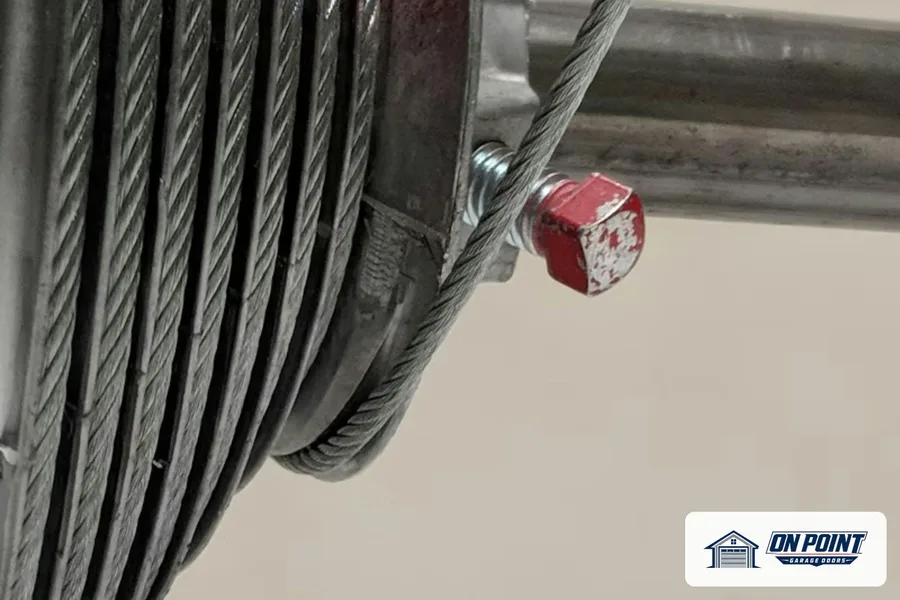
Spring and cable drum, from one of our jobs
Spring and cable drum
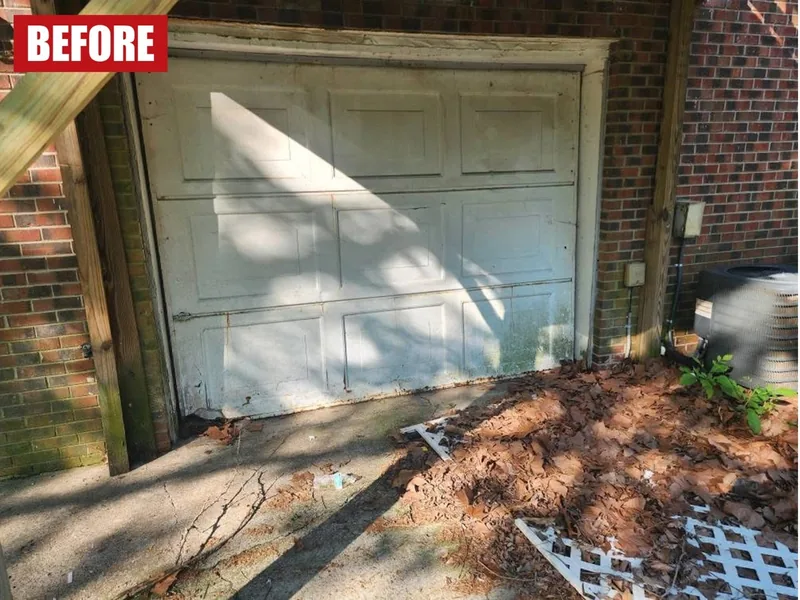
Old worn garage door before On Point Garage Doors replaced it
Salt rust at the bottom of a door
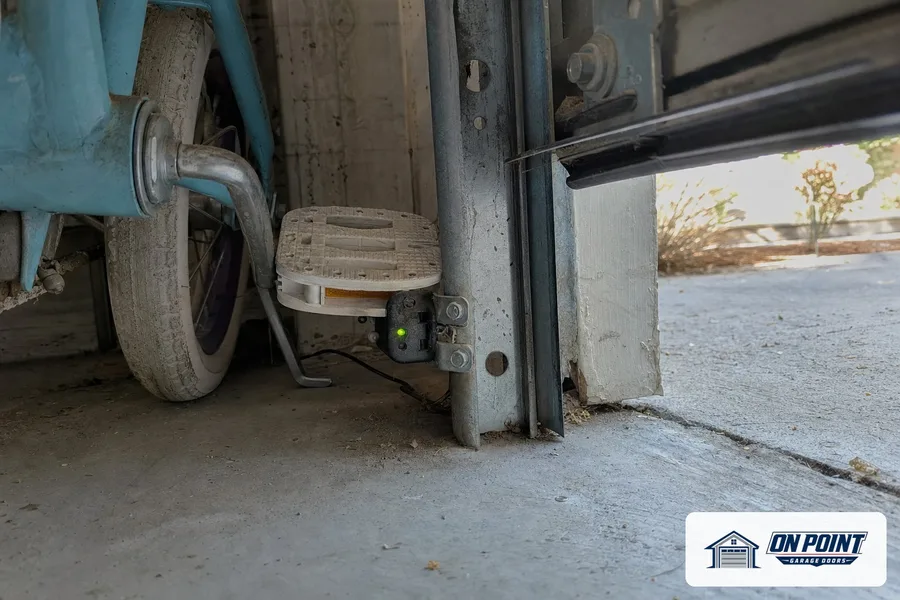
Sensor near the floor, from one of our jobs
Sensor near the floor

What goes wrong in the cold

  1. Springs snapCold makes tired steel more brittle, and many springs break on the first freezing mornings.
  2. Doors freeze to the groundMelted snow refreezes under the bottom seal.
  3. Openers slow down or reverseStiff rollers, dry hinges and thick grease add drag.
  4. Sensors misbehaveFrost, snow or condensation on the lenses blocks the beam.
  5. Seals crackOld rubber goes hard in the cold and splits.

Broken springs in winter

A spring near the end of its life often makes it through the fall and then breaks on a cold morning. The door will not lift, or the opener strains and stops. Keep the door closed, do not keep pressing the button, and call. Both springs are replaced together and sized to the door.

A door frozen to the ground

If the door will not open and the opener strains, ice may be holding the bottom seal to the slab. Running the opener against it can tear the seal, bend the bottom section or strip the opener's gear. Let it thaw, or call if you need it open. A seal in good shape and a slab that drains away from the door make freezing less likely.

Openers in the cold

Openers have to push harder when everything is stiff. If the door is already heavy from weak springs, the opener may give up or reverse. Older openers with worn gears often fail in winter for this reason. A balanced door and sealed rollers make a big difference.

Sensors and snow

Snow blown against the sensors, ice on the lenses or a sensor knocked by a shovel can stop the door from closing. Keep the area around the sensors clear, and if they keep acting up, have them remounted where snow does not reach.

Salt and the bottom of the door

Road salt and slush from the car melt onto the garage floor and sit against the bottom section, the seal, the cables and the lower track. Rinsing salt off the bottom of the door in late winter slows rust, and a yearly check catches rusted cables and brackets.

Doors near the water in winter

Wind off the bay and salt in the air make winter harder on doors near the water. Wide doors bow in gusts and hardware rusts faster. Struts, rust-resistant parts and a tight seal help.

Getting ahead of winter

Insulated doors and winter comfort

An insulated door keeps the garage and the rooms around it warmer, and it stays stiffer and quieter in the cold. For garages under bedrooms or used as workshops, it makes winter much more comfortable.

If the door is stuck in a storm

A door stuck open in a snowstorm lets snow and cold into the garage and the house. Tell us when you call. The technician secures the door first and then fixes the cause.

What a winter visit includes

The technician checks the springs, cables, rollers, hinges, seals, sensors and opener, fixes what failed, balances the door and tests the safety reverse. You get a free estimate before any work starts.

Shoveling and the door

Snow shoveled against the door or piled at the bottom of the opening melts and refreezes against the seal. Keeping a clear strip in front of the door, and not piling snow against it, keeps the bottom section and seal from freezing in place.

Garage heaters and condensation

Owners who heat the garage in winter sometimes find water running down the inside of a thin steel door. Warm, moist air meets the cold steel and condenses. An insulated door keeps the inside face warmer and cuts that condensation and the rust it causes.

Ice on the tracks and rollers

Water dripping from a car or the roof can freeze in the bottom of the tracks, and the rollers catch on it. Clearing the ice and fixing where the water comes from stops the door from jamming on cold mornings.

Ice on the driveway apron

Ice at the foot of a sloped driveway can also hold the door down.

Questions we get asked

Why do garage door springs break in winter?

Cold makes tired steel more brittle, so springs near the end of their life often break on cold mornings.

What should I do if my garage door is frozen to the ground?

Do not force it with the opener. Let it thaw, or call if you need it open.

Why does my garage door opener struggle in the cold?

Stiff rollers, dry hinges and weak springs add drag. A balanced door helps the most.

How can I prepare my garage door for winter?

A fall tune-up, a good bottom seal and replacing worn springs before they break.

Is the estimate free?

Yes. You see what is wrong and the fix before any work starts.

Booking takes a minute

Across Brooklyn, Queens and Long Island, tell us what the door is doing and we set a visit that fits your day.

Free estimate, call (929) 429-2429.

Not sure what is wrong? We will come and look

Tell us what the door is doing and we will give you an honest arrival time. The estimate is free.

Easier to explain by phone? Call (929) 429-2429.

Two minutes to a free estimate

Tell us what the door is doing. The estimate is free either way.

Or just call (929) 429-2429 and talk it through.

The other six things that go wrong