Serving Brooklyn, Queens and Long Island(929) 429-2429Open six days a weekFree estimateGuaranteed work
On Point Garage Doors
Open 24 hours Sun-Thu, Fri until 5 pm Free estimate Springs, openers, cables We come to you
Emergency?Call nowBook free estimate
New York, NY - open six days a week

Safety edges on commercial doors

Free estimateSame-day serviceCommon parts on board
  • Free estimate
  • Same-day service
  • Common parts on board
Emergency garage door repair★★★★★ 5.0 on Google · 42 reviews

Book your free estimate

Takes 30 seconds. We call you back to set a time.

Or just call (929) 429-2429 and talk it through.

Home › Commercial Door Safety Edge

Most motorized commercial doors carry a sensing edge along the bottom of the door. It is a rubber strip with a switch or a sensor inside, and when it touches a person, a car or a pallet on the way down, it tells the operator to stop and reverse. It works alongside photo eyes, not instead of them. Because the edge sits at the very bottom of a busy door, it takes more hits than any other part. This page explains how safety edges work, how they fail and what we check when a door refuses to close. Free estimate at (929) 429-2429.

By Sean Cohen, owner, On Point Garage Doors · Updated

Real jobs. Real photos.

These photos are from our own jobs, with our logo on them.

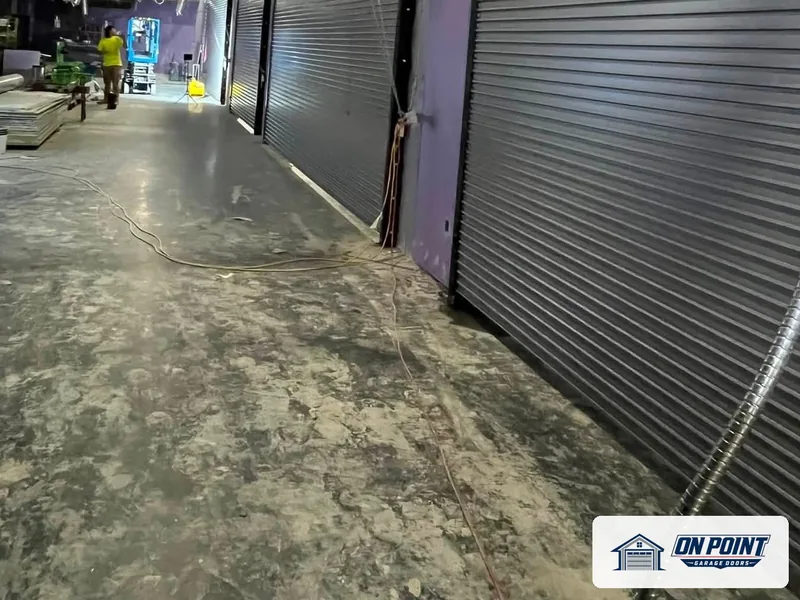
Rolling steel doors in a commercial building, an On Point Garage Doors job
Commercial door on a city street
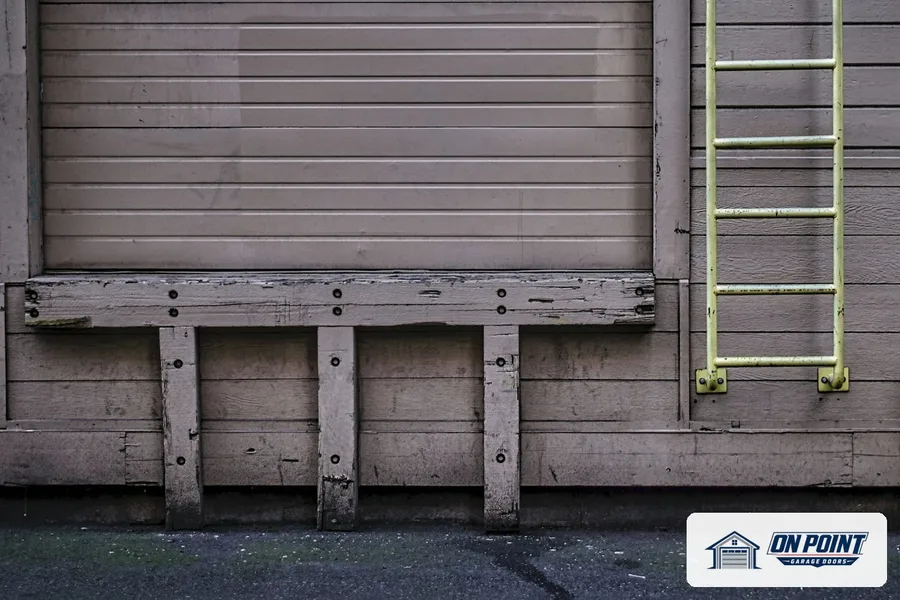
Roll-up door at a loading entrance, from one of our jobs
Roll-up door at a loading entrance
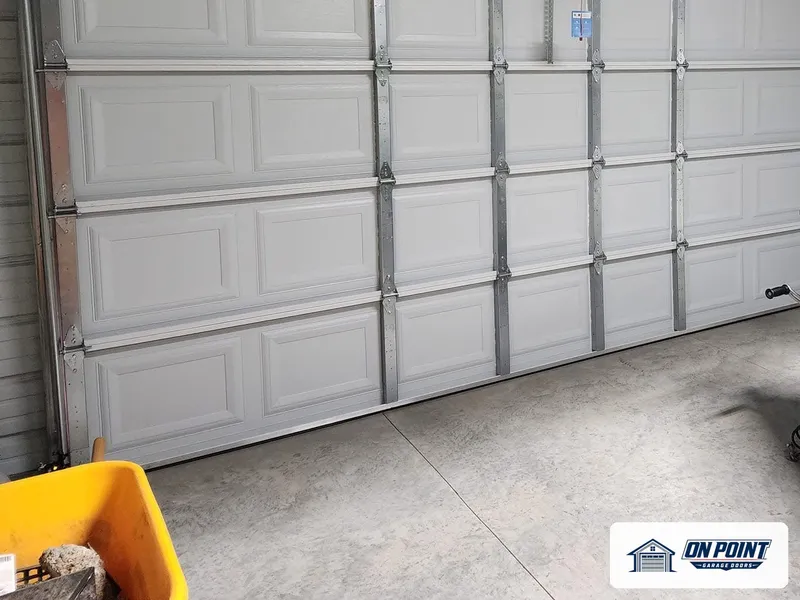
Steel door on a work building, from one of our jobs
Steel door on a work building

What the edge does

Photo eyes watch a beam across the opening near the floor. The edge covers what the beam can miss: a forklift tine, a mirror, the top of a hand truck, a car roof under a parking door. When the edge is squeezed, the operator stops the door and sends it back up. On many commercial doors, the operator will not run the door down on its own at all unless the edge is working.

Types of sensing edges

  1. Air edgesA hollow rubber tube with a pressure switch. When the tube is squeezed, the air pressure trips the switch.
  2. Electric edgesTwo strips inside the rubber that touch when the edge is pressed, closing a circuit.
  3. Optical edgesA light beam runs inside the rubber, and pressing the edge breaks the beam.
  4. Wireless edgesAny of the above with a small transmitter on the door, so no cord runs to the wall.

How edges get damaged

Signs the edge is the problem

A door that goes up fine but will only come down while someone holds the button is often pointing at the edge. Some operators show a fault light or a code when the edge circuit is open. A door that reverses right after it starts down, with nothing in the way, can also have a damaged edge or a pinched cord. A torn rubber strip along the bottom is the clearest sign of all.

The coil cord and the junction box

On a wired edge, a coiled cord runs from the side of the door to a box on the wall. It stretches as the door rises and shrinks as it falls. Cords get caught in the guides, cut by the door or simply worn out. A cord that has failed inside its jacket can look fine from the outside, which is why we test the circuit, not just look at it.

Wireless edges and their batteries

Wireless edges remove the cord, which helps on tall and busy doors. They need a working battery in the transmitter and a receiver that can hear it. A dead battery or a damaged transmitter makes the door act exactly like a broken edge. Battery changes are part of keeping a wireless edge working.

Never bypass the edge

When a door will not close at closing time, it is tempting to jump the edge or hold the button down every night. That leaves a heavy door coming down with nothing to stop it if a person or vehicle is underneath. A failed edge is a repair to book, not a part to work around.

Edges on parking garage doors

Parking garage doors close behind every car, often on a timer. The edge and the photo eyes are what keep the door from coming down on the next car or a person walking in behind it. Those doors see constant cycles, so their edges and cords wear faster than any other.

Edges on rolling steel doors and gates

Rolling steel doors carry the edge on the bottom bar. A bent bottom bar or a damaged astragal can twist the edge so it does not seal or sense properly. When we replace an edge on a rolling door, we look at the bottom bar and the guides at the same time.

Matching the edge to the operator

The edge has to speak the same language as the operator. Older operators may expect a simple switch, newer ones a monitored edge that tells the operator it is working. A mismatched edge may leave the door refusing to close or, worse, not reversing when it should. We match the edge to the operator on the door.

What a visit includes

The technician tests the edge, the cord or transmitter, the photo eyes and the operator's reversing, then looks at the bottom bar, the seal and the guides. You get a written estimate before work starts, and the door is tested with an object under the edge before we leave.

Questions we get asked

What is a safety edge on a commercial door?

A rubber strip along the bottom of the door with a sensor inside that stops and reverses the door when it touches something.

Why will my commercial door only close while I hold the button?

Often the safety edge, its cord or its transmitter has failed, so the operator will not close on its own.

Can the edge be bypassed?

It should never be. A door without a working edge can come down on a person or vehicle.

Do safety edges replace photo eyes?

No. They work together. The eyes watch the opening and the edge senses contact.

Is the estimate free?

Yes. We test the edge and the operator before any work starts.

Booking takes a minute

Across Brooklyn, Queens and Long Island, tell us what the door is doing and we set a visit that fits your day.

Free estimate, call (929) 429-2429.

Door will not close on its edge? We will find out why

Tell us what the door is doing and we will give you an honest arrival time. The estimate is free.

Easier to explain by phone? Call (929) 429-2429.

Two minutes to a free estimate

Tell us what the door is doing. The estimate is free either way.

Or just call (929) 429-2429 and talk it through.

The other six things that go wrong