Serving Brooklyn, Queens and Long Island(929) 429-2429Open six days a weekFree estimateGuaranteed work
On Point Garage Doors
Open 24 hours Sun-Thu, Fri until 5 pm Free estimate Springs, openers, cables We come to you
Emergency?Call nowBook free estimate
New York, NY - open six days a week

The right opener for a heavy garage door

Free estimateSame-day serviceCommon parts on board
  • Free estimate
  • Same-day service
  • Common parts on board
Emergency garage door repair★★★★★ 5.0 on Google · 42 reviews

Book your free estimate

Takes 30 seconds. We call you back to set a time.

Or just call (929) 429-2429 and talk it through.

Home › Garage Door Opener for a Heavy Door

Real wood doors, custom carriage doors, oversized doors and thick insulated doors all weigh far more than a basic steel door. Owners often assume a heavy door simply needs the strongest opener on the shelf. In truth, the springs are what lift a garage door; the opener only guides it. Getting a heavy door to run quietly and reliably for years depends on balancing it properly first, then choosing an opener with the right drive and enough power to spare. Free estimate at (929) 429-2429.

By Sean Cohen, owner, On Point Garage Doors · Updated

Real jobs. Real photos.

These photos are from our own jobs, with our logo on them.

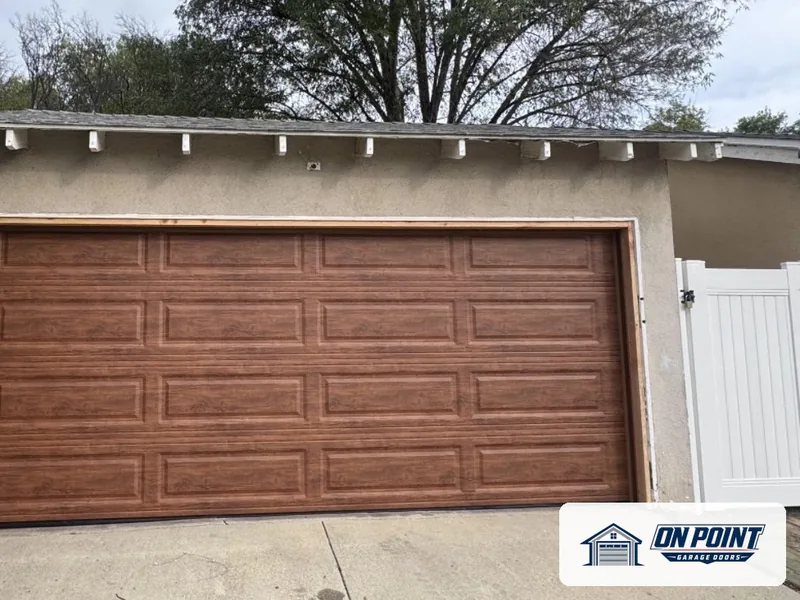
Wood-look garage door installed by On Point Garage Doors
Wood carriage door
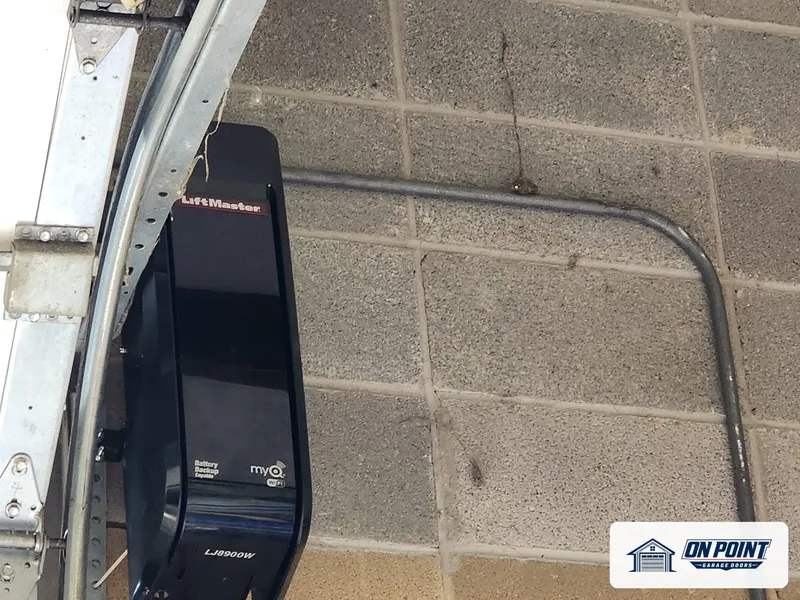
Wall-mounted opener, from one of our jobs
Wall-mounted opener
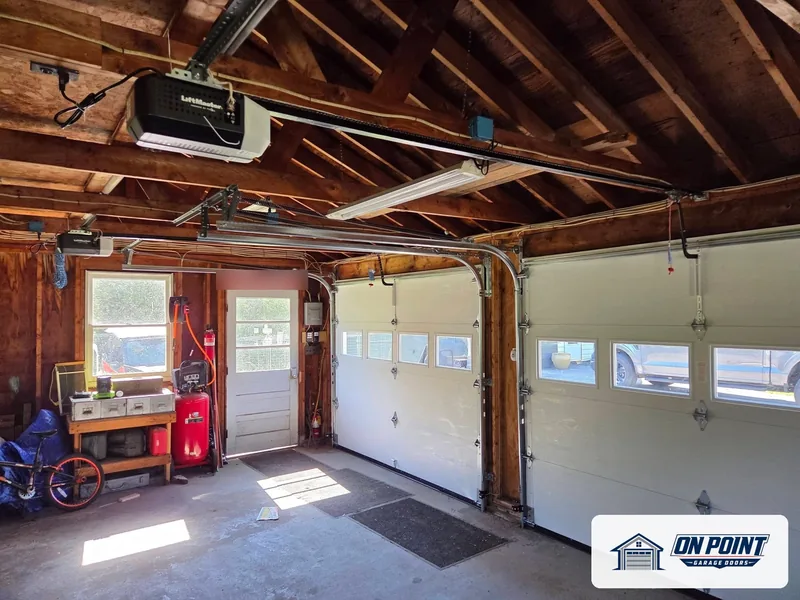
Garage door opener on the ceiling above two new doors, an On Point Garage Doors job
Opener motor and rail

Springs carry the weight, not the opener

A properly balanced door, no matter how heavy, should stay where you stop it halfway and feel light when lifted. That balance comes from the springs. The opener's job is to start the door moving, guide it and stop it.

When a heavy door feels heavy, the springs are too weak for it. Putting a stronger opener on an unbalanced door only hides the problem, and the opener wears out early.

Which doors count as heavy

Signs your opener is struggling

  1. Slow, labored liftingThe motor sounds strained, especially in cold weather.
  2. Reversing for no reasonThe opener senses the door's weight as an obstacle and backs off.
  3. Stopping partwayThe opener gives up near the top, where a weak spring helps least.
  4. Stripped gearsPlastic drive gears wear quickly when the door is too heavy.
  5. A sagging railThe rail and its mounts flex under the load.

Balance first, then the opener

Before choosing an opener for a heavy door, the technician disconnects the current opener and tests the door by itself. If it is heavy or drops when stopped, the springs are resized to the door's true weight. Many heavy doors also do better with longer-life springs, because a heavy door works its springs hard on every cycle.

Once the door is balanced, almost any good opener will move it. The choice then comes down to drive type, noise and features.

Drive types for heavy doors

Chain drives are strong and simple, and they handle weight well, though they are louder. Belt drives are quieter and still strong enough for heavy residential doors, which makes them popular under bedrooms. Wall-mounted openers turn the spring bar directly from the side of the door. They are quiet, free the ceiling and handle heavy, balanced doors very well.

Choosing enough power

Openers come in different power levels. For a heavy door, a stronger motor gives a margin so the opener is not working at its limit, starts the door smoothly and runs cooler. A motor with soft start and soft stop also reduces the jolt on heavy wood doors and their hinges, which helps them last.

Reinforcing the door for the opener

The opener pulls on the top section of the door. On a heavy wood or custom door, that section needs a strong bracket and often a steel strut across it, so the pull does not crack the wood or bow the panel. We check the top section and add reinforcement where it is needed before connecting the opener.

Solid mounting

A heavy door puts more load through the opener's rail and ceiling hangers. The header bracket must be fastened into solid framing, and the motor unit hung from sound joists with solid hangers. In older garages, where the header or joists may be soft, we add backing so the opener stays firm.

Cold weather and heavy doors

Heavy doors show their problems first on freezing mornings. Grease in the opener stiffens, springs lose a little of their lift, and wood doors may stick to the slab. An opener that barely copes in mild weather starts reversing or stalling in winter. Balanced springs, a motor with power to spare and a bottom seal that does not freeze to the floor keep a heavy door running through the cold months.

If your heavy door works in summer but struggles every winter, that is a strong sign the springs are undersized for it.

Doors that are too heavy

Some very old wood doors have soaked up so much water and paint over the decades that they weigh far more than they did when new. Even with the right springs, they strain every part. In those cases we tell you honestly whether a lighter new door, perhaps a wood-look steel or composite door with the same style, is the better choice.

What a visit includes

The technician checks the door's weight and balance, the springs, cables, hinges and top section, then looks at the current opener and its mounting. You get a clear explanation of what the door needs and a free estimate on springs, reinforcement and a new opener before any work starts.

Questions we get asked

Do heavy garage doors need a stronger opener?

They need balanced springs first. Then an opener with some power to spare runs the door smoothly and lasts longer.

What type of opener is best for a heavy wood door?

Belt and wall-mounted openers are quiet and handle heavy, balanced doors well. Chain drives are strong but louder.

Why does my opener reverse on my heavy door?

The springs are likely too weak, so the opener feels the door's weight as an obstacle.

Does a heavy door need reinforcement for the opener?

Often yes. A strut and a strong bracket on the top section stop the pull from cracking or bowing it.

Is the estimate free?

Yes. You see the options for springs, reinforcement and openers before any work starts.

Booking takes a minute

Across Brooklyn, Queens and Long Island, tell us what the door is doing and we set a visit that fits your day.

Free estimate, call (929) 429-2429.

Not sure what is wrong? We will come and look

Tell us what the door is doing and we will give you an honest arrival time. The estimate is free.

Easier to explain by phone? Call (929) 429-2429.

Two minutes to a free estimate

Tell us what the door is doing. The estimate is free either way.

Or just call (929) 429-2429 and talk it through.

The other six things that go wrong