Serving Brooklyn, Queens and Long Island(929) 429-2429Open six days a weekFree estimateGuaranteed work
On Point Garage Doors
Open 24 hours Sun-Thu, Fri until 5 pm Free estimate Springs, openers, cables We come to you
Emergency?Call nowBook free estimate
New York, NY - open six days a week

Garage door balance adjustment in Brooklyn, Queens and Long Island

Free estimateSame-day serviceCommon parts on board
  • Free estimate
  • Same-day service
  • Common parts on board
Emergency garage door repair★★★★★ 5.0 on Google · 42 reviews

Book your free estimate

Takes 30 seconds. We call you back to set a time.

Or just call (929) 429-2429 and talk it through.

Home › Garage Door Balance Adjustment

A balanced garage door stays where you leave it. Stopped halfway, it should hold there, not drop to the floor or float up. When it does not, the springs no longer match the weight of the door, and every trip up and down puts the strain on the opener, the cables and you. We check the balance on every visit and set the springs to the door you actually have. Free estimate at (929) 429-2429.

By Sean Cohen, owner, On Point Garage Doors · Updated

Real jobs. Real photos.

These photos are from our own jobs, with our logo on them.

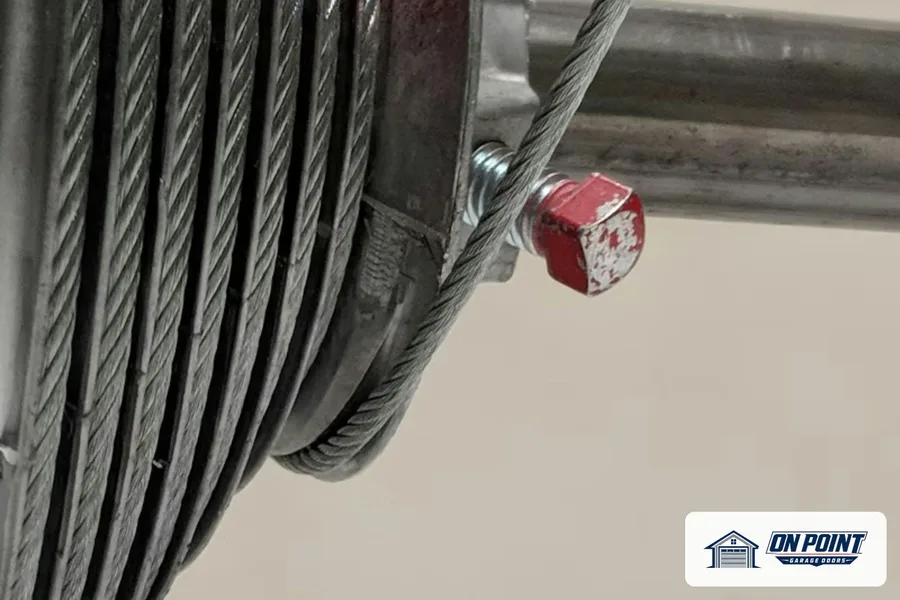
Cable on the drum at the end of a torsion spring, from one of our jobs
Cable on the drum at the end of a torsion spring
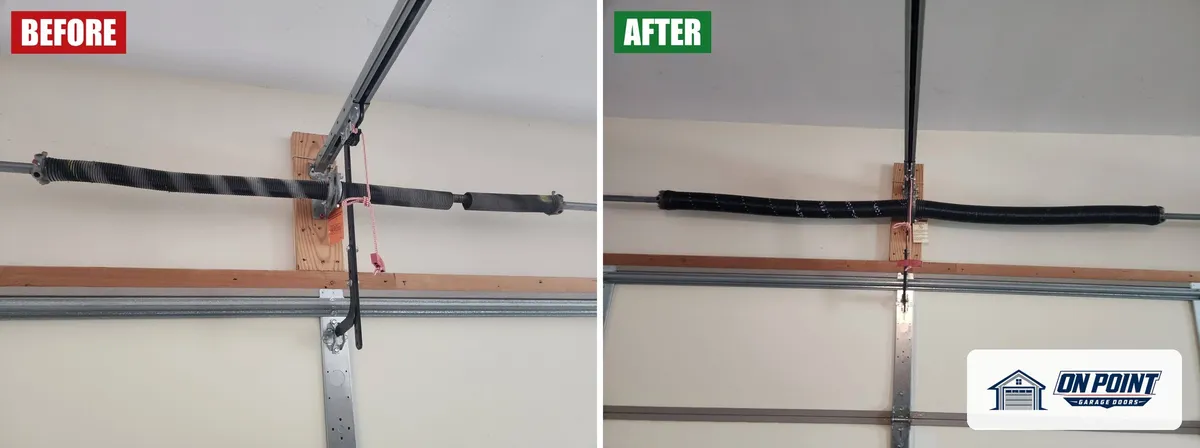
Broken spring before and after, from one of our jobs
Broken spring before and after
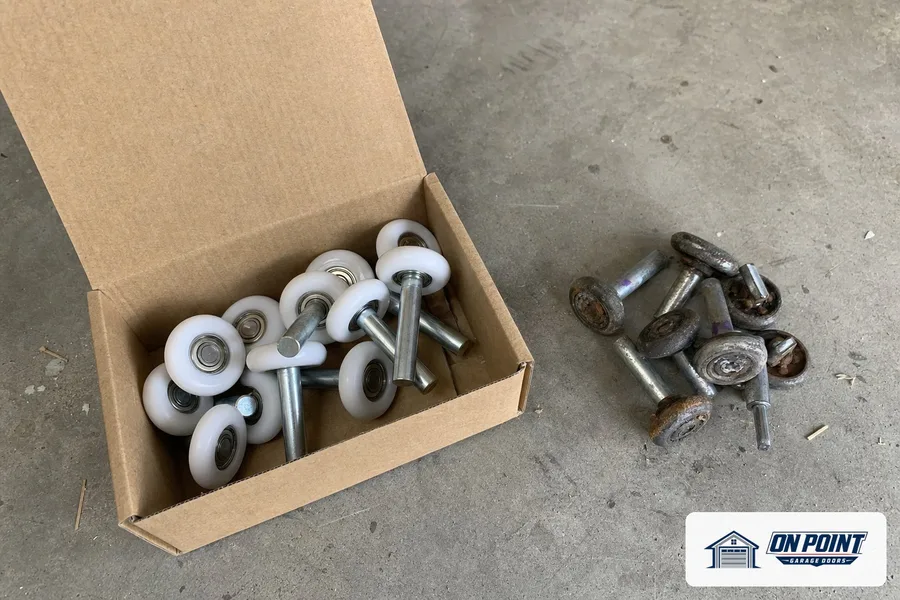
New rollers next to the worn ones, from one of our jobs
New rollers next to the worn ones

What balance means on a garage door

A garage door is heavy, far heavier than it looks. The springs carry almost all of that weight, so a person or a small opener can move it. When the spring tension matches the door, the door feels light in your hands and stops wherever you let go. That match is what we call balance.

The opener is not built to lift the door. It only guides a door the springs already hold up. A door that is out of balance turns the opener into a lifting machine, and it wears out long before it should.

Signs your door is out of balance

Why doors lose their balance

Springs relax as they age. Each cycle stretches or twists the steel a little, and over the years the spring gives back less lift than it did on the first day. The door has not changed, but the help it gets from the springs has.

Weight changes too. A new layer of paint, insulation added to the panels, a wood door that has soaked up water, or a new section that is heavier than the old one can all leave the springs set for a door that is no longer there.

Balance problems that point to something else

Sometimes the springs are fine and the door still feels wrong. A frayed lift cable, a cable that has jumped off its drum, a bent track or a seized roller can make a door bind and feel heavy. A door that hangs crooked often has a cable problem on one side. The technician checks these before touching the springs, because adjusting tension on a door with a cable fault only hides the real problem.

Why spring adjustment is a job for a technician

Spring tension holds the full weight of the door. Torsion springs are wound tight on a steel shaft above the door, and extension springs stretch along the tracks on each side. The stored force in either type can injure a person badly if a tool slips or a part gives way. We ask owners not to adjust springs, cables or bottom brackets themselves. Leave the door closed, keep people and cars clear, and call us.

What we check on a balance visit

  1. The door by handWe release the opener and lift the door by hand to feel how it moves and where it wants to stop.
  2. SpringsWe look for gaps, rust, stretch and wear, and we confirm the springs are the right size for the door.
  3. Cables and drumsWe check both lift cables for fraying and make sure they wind evenly on the drums.
  4. Rollers, hinges and tracksWe look for worn rollers, cracked hinges and bent or loose track that can make a door bind.
  5. Opener settingsOnce the door is balanced, we test the travel and the safety reverse so the opener works with the door, not against it.

Adjust, or replace the springs?

If the springs are in good shape but have relaxed, an adjustment can bring the door back into balance. If they are rusted, stretched past their life or the wrong size for the door, adjusting them only buys a little time. In that case you hear it plainly, with both options in writing, and you choose. On a door with two springs we usually suggest replacing both together, because the second one tends to fail soon after the first.

How balance protects the opener

A balanced door lets the opener run quietly and lightly. An unbalanced door forces the motor, the drive gear and the trolley to carry weight they were never meant to lift. Many of the stripped gears and burned-out boards we see started with a door that had been out of balance for a long time. Balancing the door early often saves the opener.

Balance on heavy and custom doors

Wood carriage doors, double-wide doors, doors with full glass and doors with heavy insulation can weigh a lot more than a plain steel door. They need springs sized for that weight. When a heavier door was hung on light springs, or when the door was changed after the springs went in, the door may never have been balanced at all. We size the springs to the door, not to whatever was on it before.

Commercial and building doors

Larger sectional doors on shops, garages under apartment buildings and small warehouses work the same way, with bigger springs and more cycles in a day. A door that runs many times a day loses balance sooner, so it is worth checking more often. Property managers can ask us to look at every door on a site in one visit.

Weather and balance

Cold weather makes steel springs a little less forgiving and thickens the grease on rollers and hinges, so a door that is close to out of balance often shows it first on a cold morning. If your door feels heavy only in winter, the springs may be near the end of their life. That is a good time to have the balance checked, before a spring breaks on the coldest day of the year.

What a visit includes

The technician checks the whole door, explains what is worn and what is fine, and puts the work in writing before anything starts. You get a free estimate across Brooklyn, Queens and Long Island. If the door only needs a balance adjustment, that is all we suggest.

Questions we get asked

How do I know if my garage door is out of balance?

A balanced door stays where it is left halfway open. If it drifts down or rises on its own, the springs no longer match the door. The technician tests this on the visit.

Can a garage door be balanced without new springs?

Often, yes, when the springs are in good shape and have only relaxed. Worn, rusted or wrong-size springs need to be replaced.

Is an unbalanced door bad for the opener?

Yes. The opener ends up lifting weight the springs should carry, which wears the gear, the motor and the board.

Why does my garage door close crooked?

Most often a lift cable is worn or loose on one side, or the cable has slipped on its drum. It needs a technician before it gets worse.

Should I adjust the springs myself?

No. Springs hold the full weight of the door and can injure you if a tool slips. Leave the door closed and call a technician.

Is the estimate free?

Yes. We check the door and put the work in writing before anything starts.

Booking takes a minute

Across Brooklyn, Queens and Long Island, tell us what the door is doing and we set a visit that fits your day.

Free estimate, call (929) 429-2429.

Door feels heavy or will not stay put? We will balance it

Tell us what the door is doing and we will give you an honest arrival time. The estimate is free.

Easier to explain by phone? Call (929) 429-2429.

Two minutes to a free estimate

Tell us what the door is doing. The estimate is free either way.

Or just call (929) 429-2429 and talk it through.

The other six things that go wrong