Serving Brooklyn, Queens and Long Island(929) 429-2429Open six days a weekFree estimateGuaranteed work
On Point Garage Doors
Open 24 hours Sun-Thu, Fri until 5 pm Free estimate Springs, openers, cables We come to you
Emergency?Call nowBook free estimate
New York, NY - open six days a week

Your garage door after a flood

Free estimateSame-day serviceCommon parts on board
  • Free estimate
  • Same-day service
  • Common parts on board
Emergency garage door repair★★★★★ 5.0 on Google · 42 reviews

Book your free estimate

Takes 30 seconds. We call you back to set a time.

Or just call (929) 429-2429 and talk it through.

Home › Garage Door After a Flood

Homes near the bay, the canals and the ocean, and garages below street level, can take on water during storms and heavy rain. Even when the door looks fine afterward, water and especially salt water work on the parts that hold the door's weight and on the opener's electronics. Checking the door before you rely on it again avoids a sudden failure weeks later. Free estimate at (929) 429-2429.

By Sean Cohen, owner, On Point Garage Doors · Updated

Real jobs. Real photos.

These photos are from our own jobs, with our logo on them.

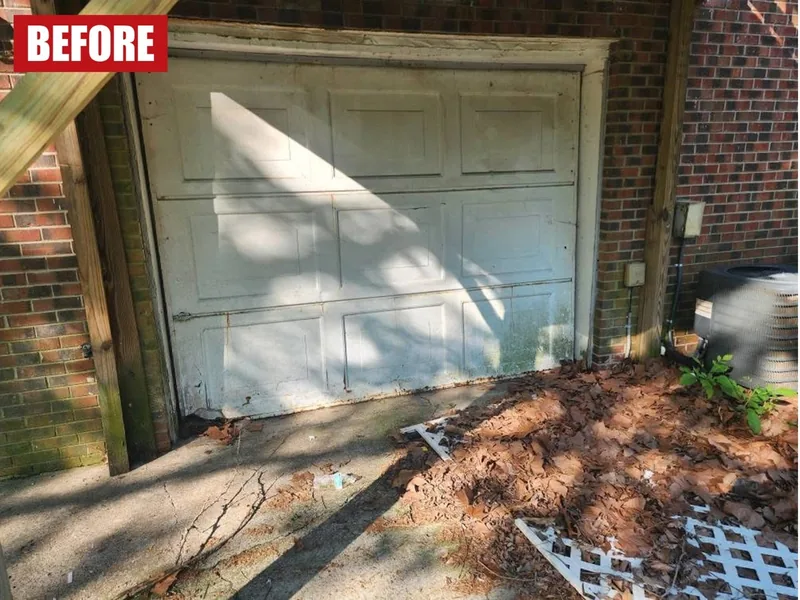
Old worn garage door before On Point Garage Doors replaced it
Rust at the bottom of a door
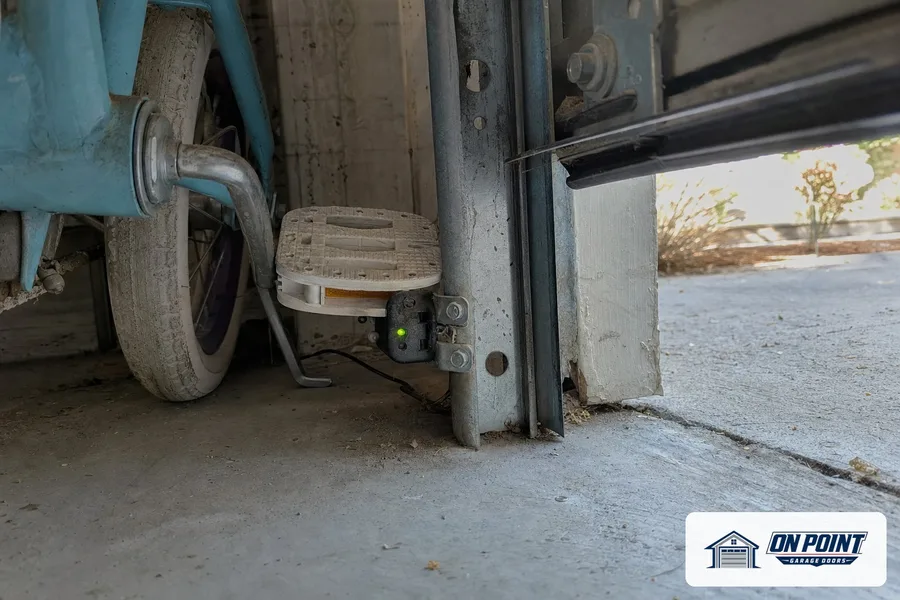
Sensor near the floor, from one of our jobs
Sensor near the floor
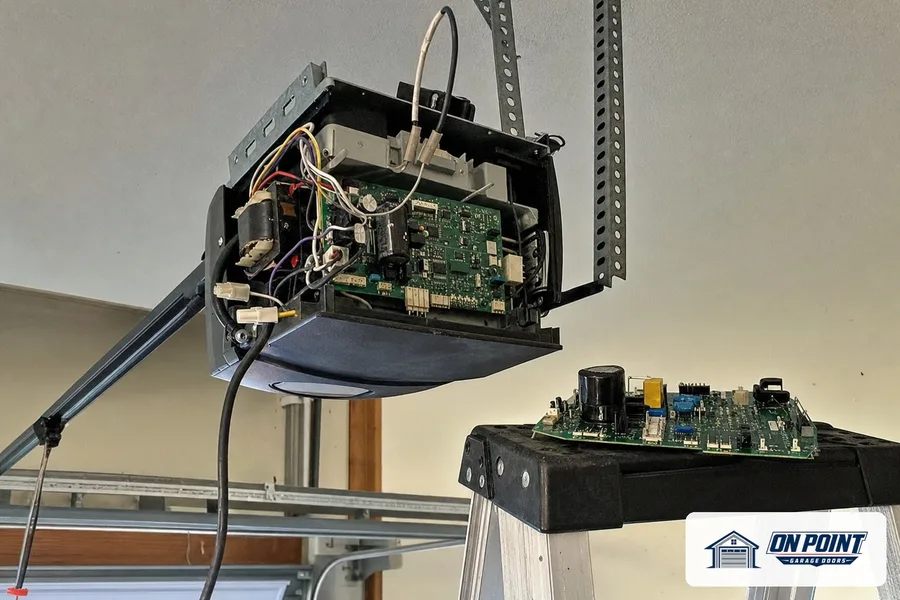
Opener circuit board, from one of our jobs
Opener circuit board

Before you use the door

  1. Check the powerIf water reached outlets or the opener's wiring, leave the opener unplugged until it is checked.
  2. Look for debrisMud, sand and debris in the tracks can jam the rollers.
  3. Look at the bottomA door pushed by water may be bent at the bottom section or out of its tracks.
  4. Do not force itIf the door will not move freely, leave it and call.
  5. Keep clearA door damaged by surge water can shift or drop.

What water does to a garage door

Salt water rusts springs, cables, bottom brackets, rollers and the lower track quickly, sometimes within weeks. Fresh water and mud cause rust too, more slowly. Wood doors soak up water, swell and gain weight. Insulation inside some doors can hold water.

The opener and the sensors

Water in the opener's outlet, the wall control wiring or the safety sensors can cause shorts, corrosion and failed sensors. A sensor that fails can stop the door from closing, or worse, from reversing. The opener and sensors are tested before the door is used again.

Hidden damage

Cables and bottom brackets carry the springs' force. Corrosion there is not always visible from the driveway, but it can lead to a cable snapping or a bracket letting go. After a flood, those parts are inspected closely and replaced if corroded.

Garages under raised houses

Many homes near the water were raised after past storms, with the garage below built to let water through. Those garages flood by design, and their doors need rust-resistant parts and a check after each event. Flood vents in the walls should be left clear.

Doors pushed by surge water

Moving water can push a closed door inward, bending sections, popping rollers out and twisting the tracks. A door in that state is secured before anything else and then repaired or replaced.

Rinsing and drying

After salt water, rinsing the bottom of the door, the tracks and the hardware with fresh water slows corrosion. The technician does this as part of the inspection and replaces anything already damaged.

When a new door makes sense

Wood doors that soaked up water, insulated doors holding water inside, or steel doors with heavy corrosion at the bottom may be better replaced. A new door can be chosen for flood-prone garages, with rust-resistant hardware and a good bottom seal.

A written estimate

You get a clear written description of the damage found and the repair, with photos. We repair the door; we do not handle insurance claims.

What a visit includes

The technician checks the power to the opener, the opener, sensors, springs, cables, bottom brackets, rollers, tracks, seals and door sections, rinses salt off the hardware, replaces what is damaged, balances the door and tests the safety reverse. You get a free estimate first.

Getting ready for the next storm

Wood doors after water

Wood doors soak up water at the bottom and along the joints. After a flood they can swell, warp and gain a lot of weight, which loads the springs and opener. If the bottom section stays soft after drying out, it will rot, and the section or the door should be replaced.

Insulated doors that held water

Some insulated doors have foam or panels that can hold water if it gets inside a section. A door that feels much heavier after a flood, or drips from the joints, may need sections replaced. The technician checks the door's weight and balance after drying.

Commercial doors

Shops, marinas and businesses near the water have roll-up doors and gates that take the same punishment. Slats, bottom bars, guides, springs and motors are checked after flooding, and salt is rinsed from the hardware.

Debris in the tracks

Floodwater leaves sand, mud and grit in the tracks and around the rollers. Running the door through that grinds the rollers and scores the track. The tracks are cleared and the rollers checked before the door is put back into use.

Doors that still work but sound different

A door that opens after a flood but now grinds, squeaks or jerks has grit or early rust in the rollers and tracks. That is the time to have it checked, before the rust spreads.

Questions we get asked

Is my garage door safe after a flood?

Not necessarily. Water can damage springs, cables, brackets and the opener out of sight. Have it checked.

Should I use my garage door opener after flooding?

Not if water reached the outlet or the opener. Leave it unplugged until it is checked.

Does salt water damage garage doors?

Yes. It rusts springs, cables, brackets and tracks quickly.

Is the estimate free?

Yes. You see what is damaged before any work starts.

Booking takes a minute

Across Brooklyn, Queens and Long Island, tell us what the door is doing and we set a visit that fits your day.

Free estimate, call (929) 429-2429.

Not sure what is wrong? We will come and look

Tell us what the door is doing and we will give you an honest arrival time. The estimate is free.

Easier to explain by phone? Call (929) 429-2429.

Two minutes to a free estimate

Tell us what the door is doing. The estimate is free either way.

Or just call (929) 429-2429 and talk it through.

The other six things that go wrong