Serving Brooklyn, Queens and Long Island(929) 429-2429Open six days a weekFree estimateGuaranteed work
On Point Garage Doors
Open 24 hours Sun-Thu, Fri until 5 pm Free estimate Springs, openers, cables We come to you
Emergency?Call nowBook free estimate
New York, NY - open six days a week

Dock seals and dock shelters at the loading door

Free estimateSame-day serviceCommon parts on board
  • Free estimate
  • Same-day service
  • Common parts on board
Emergency garage door repair★★★★★ 5.0 on Google · 42 reviews

Book your free estimate

Takes 30 seconds. We call you back to set a time.

Or just call (929) 429-2429 and talk it through.

Home › Dock Seals and Shelters

When a truck backs up to a loading door, there is always a gap between the trailer and the building. Rain, snow, cold air and dust come straight through it, and heat from inside goes straight out. Dock seals and dock shelters close that gap. They sit on the wall around the outside of the dock door and work alongside the door's own seals. This page explains the difference between the two, what wears out, and how we look at the whole opening when we come out for a dock door. Free estimate at (929) 429-2429.

By Sean Cohen, owner, On Point Garage Doors · Updated

Real jobs. Real photos.

These photos are from our own jobs, with our logo on them.

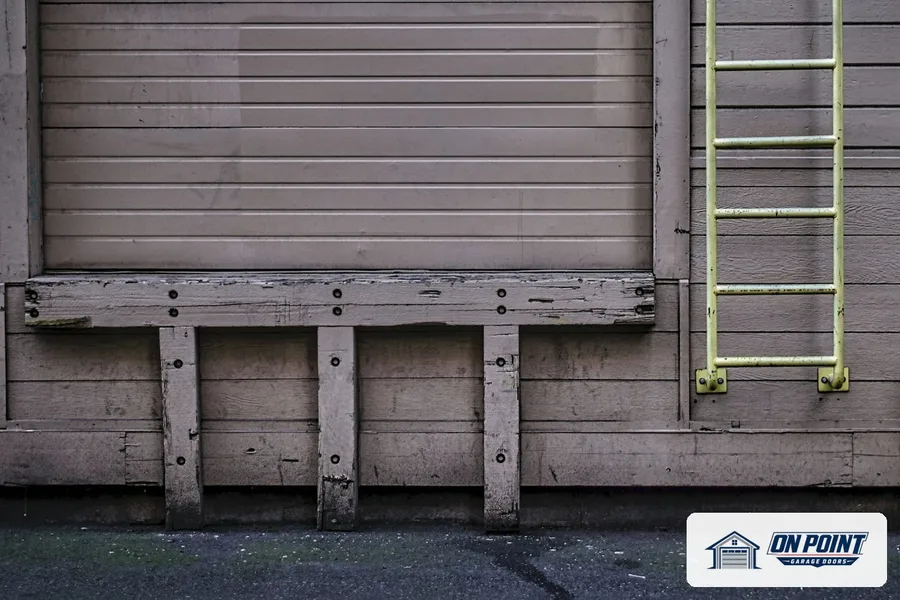
Roll-up door at a loading entrance, from one of our jobs
Roll-up door at a loading entrance
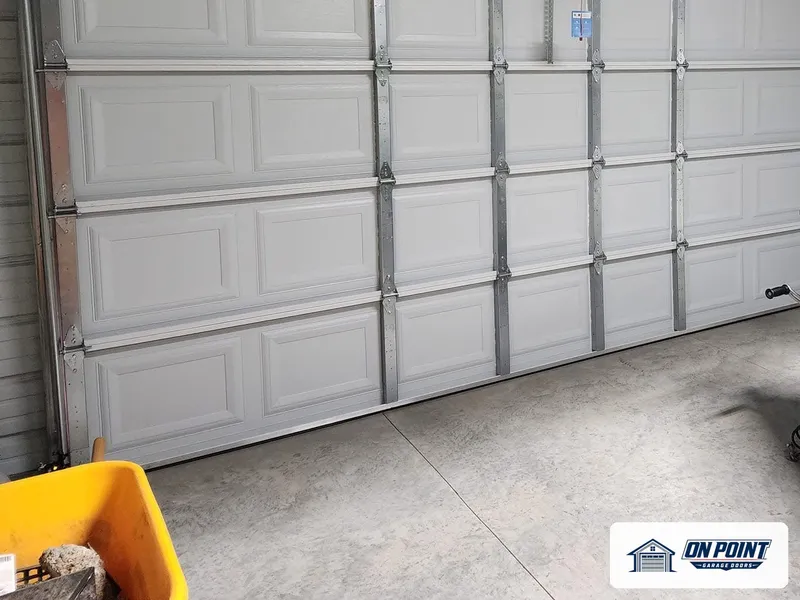
Steel door on a work building, from one of our jobs
Steel door on a work building
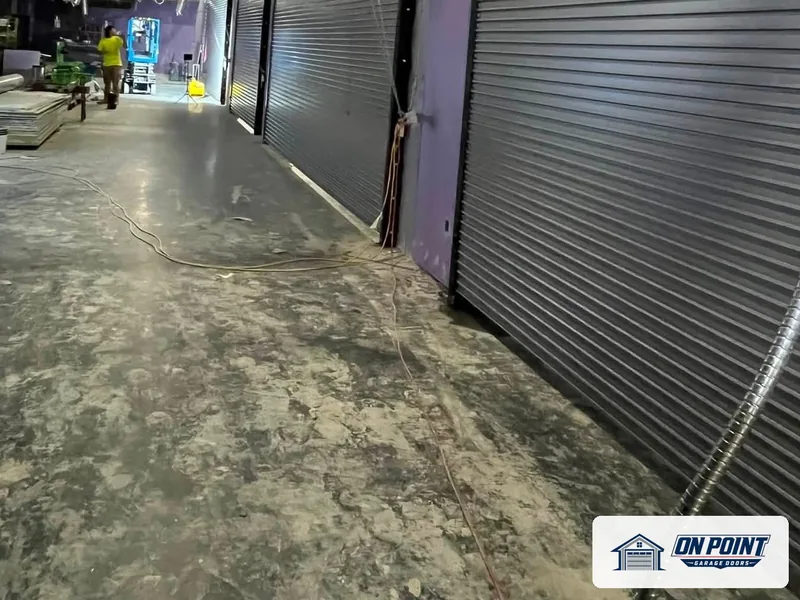
Rolling steel doors in a commercial building, an On Point Garage Doors job
Commercial door on a city street

Two ways to close the gap

  1. Dock sealsThick foam pads covered in heavy fabric, mounted on both sides and across the top. The trailer backs into them and squeezes them tight.
  2. Dock sheltersA frame that stands off the wall with fabric curtains on the sides and top. The trailer backs inside the frame and the curtains wrap around it.
  3. The door's own sealsThe bottom seal, side seals and top seal on the dock door itself, which keep weather out when no truck is there.

When a seal fits best

Seals make the tightest closure. They work best when the trucks that use the dock are all about the same size, as with a fleet of matching trailers. Because the pads press against the trailer, they block nearly all the air and water around it. The downside is wear: every truck that backs in crushes the foam a bit further.

When a shelter fits best

Shelters suit docks that see many different trucks, from box trucks to full trailers. The curtains flex to fit whatever backs in, and nothing presses hard against the truck. They also leave the full width of the trailer open, which helps when forklifts need to reach the corners. They do not close as tightly as a seal, so some air gets through at the corners.

What wears out on a seal

What wears out on a shelter

The side curtains take the most abuse. Trailers rub them on the way in, and wind whips them on the way out. Torn curtains, frames bent by a truck backing in at an angle, and loose head curtains are common. A shelter with a bent frame no longer lines up with the trailer, so it lets in more weather than it should.

Why the dock door matters too

Even the best seal does nothing when no truck is at the dock. Then the door itself is the only thing between the weather and the building. A worn bottom seal, a dented bottom section or a door that stops short of the floor lets wind and water in all day. We check the door and its seals as part of every dock visit.

Doors hit by trucks and forklifts

Loading doors are hit more than any other door we work on. A forklift clips the track, a trailer catches the bottom section, or a driver pulls away with the door half down. A hit door may still run, but it often runs crooked, and the seals around it stop meeting the trailer evenly. Our page on loading dock door repair covers what we usually find after a hit.

Heat, cold and the energy bill

In cold weather, an open gap at a dock can pull a surprising amount of heat out of a warehouse or a store's back room. In summer, a cooled storage area loses its cool air the same way. Good seals and a door that closes tight help keep the inside steady, which matters most where food, medicine or other goods need stable temperatures.

Rolling steel and sectional dock doors

Docks use both kinds of door. Rolling steel doors coil above the opening and take up little room inside. Sectional doors are often insulated and seal well against the floor. Each has its own seals and its own weak points, and each is repaired differently. Our page on rolling steel door repair explains the coil and curtain side.

What we do on a dock visit

We repair the dock door and its springs, tracks, operator, safety devices and seals. We also look at the seals or shelter around the opening and tell you plainly what condition they are in. If the pads or curtains are worn out, we explain what we see so you can decide what to do next.

Signs it is time for a look

Water on the dock floor after rain, daylight around a closed door, cold drafts at the back of the building, or drivers saying the seals catch on their trailers are all good reasons to have the dock checked. Small problems at a dock grow quickly because the door and seals are used all day.

Questions we get asked

What is the difference between a dock seal and a dock shelter?

A seal is a set of foam pads the trailer presses into. A shelter is a frame with curtains that wrap around the trailer.

Which is better for my dock?

Seals close tighter and suit trucks of the same size. Shelters suit docks used by many different trucks.

Why is water coming in at my dock?

Often worn seals, a torn curtain, or a worn bottom seal on the door itself.

Do you repair the dock door too?

Yes. We repair the door, springs, tracks, operator and seals, and look at the seals around the opening on the same visit.

Is the estimate free?

Yes. We look at the door and the opening before any work starts.

Booking takes a minute

Across Brooklyn, Queens and Long Island, tell us what the door is doing and we set a visit that fits your day.

Free estimate, call (929) 429-2429.

Dock letting in weather? We will look at the door and seals

Tell us what the door is doing and we will give you an honest arrival time. The estimate is free.

Easier to explain by phone? Call (929) 429-2429.

Two minutes to a free estimate

Tell us what the door is doing. The estimate is free either way.

Or just call (929) 429-2429 and talk it through.

The other six things that go wrong