Serving Brooklyn, Queens and Long Island(929) 429-2429Open six days a weekFree estimateGuaranteed work
On Point Garage Doors
Open 24 hours Sun-Thu, Fri until 5 pm Free estimate Springs, openers, cables We come to you
Emergency?Call nowBook free estimate
New York, NY - open six days a week

Automatic gate maintenance

Free estimateSame-day serviceCommon parts on board
  • Free estimate
  • Same-day service
  • Common parts on board
Emergency garage door repair★★★★★ 5.0 on Google · 42 reviews

Book your free estimate

Takes 30 seconds. We call you back to set a time.

Or just call (929) 429-2429 and talk it through.

Home › Automatic Gate Maintenance

An automatic gate is a heavy moving part that works outdoors in every kind of weather, often many times a day. Most breakdowns give some warning first: a gate that slows, grinds, reverses for no reason or needs a second press of the remote. A service visit catches those signs while the fix is still small. This page explains what we check on a maintenance visit for swing and sliding gates at homes, shared driveways, parking lots and businesses, and how often different gates tend to need one. Free estimate at (929) 429-2429.

By Sean Cohen, owner, On Point Garage Doors · Updated

Real jobs. Real photos.

These photos are from our own jobs, with our logo on them.

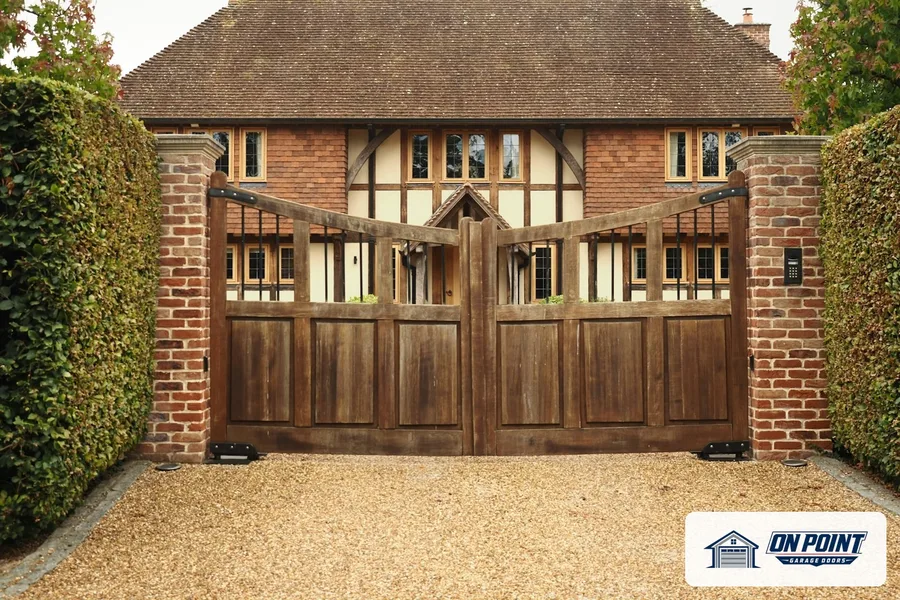
Driveway gate between brick pillars, from one of our jobs
Driveway gate between brick pillars
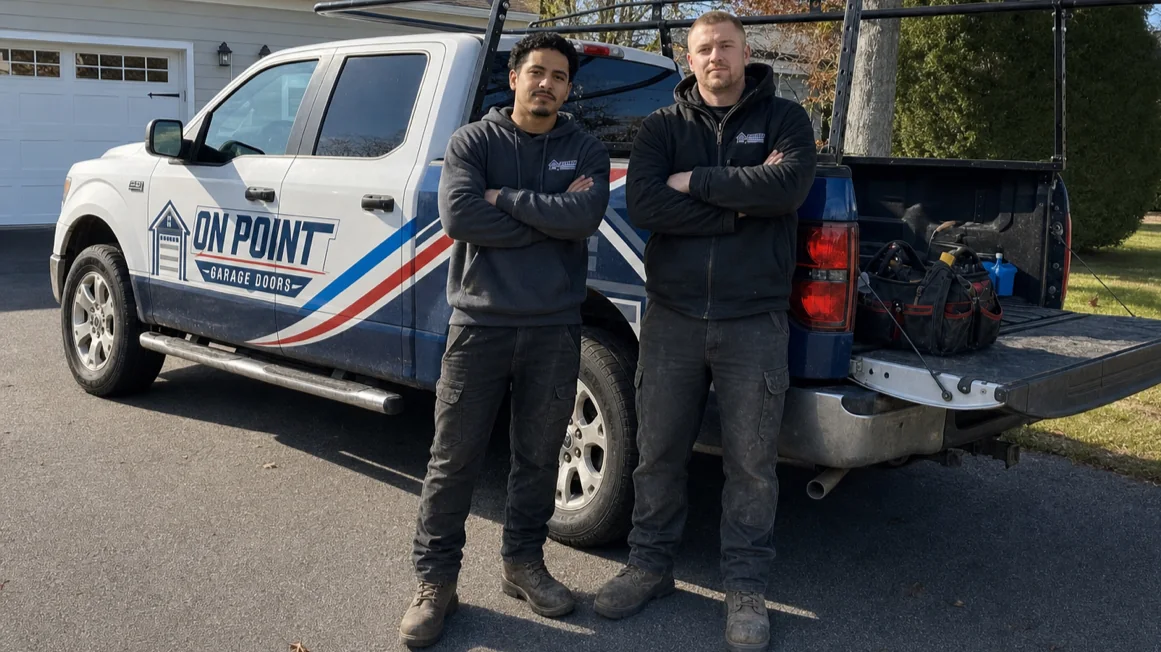
Our truck at a gate job, from one of our jobs
Our truck at a gate job
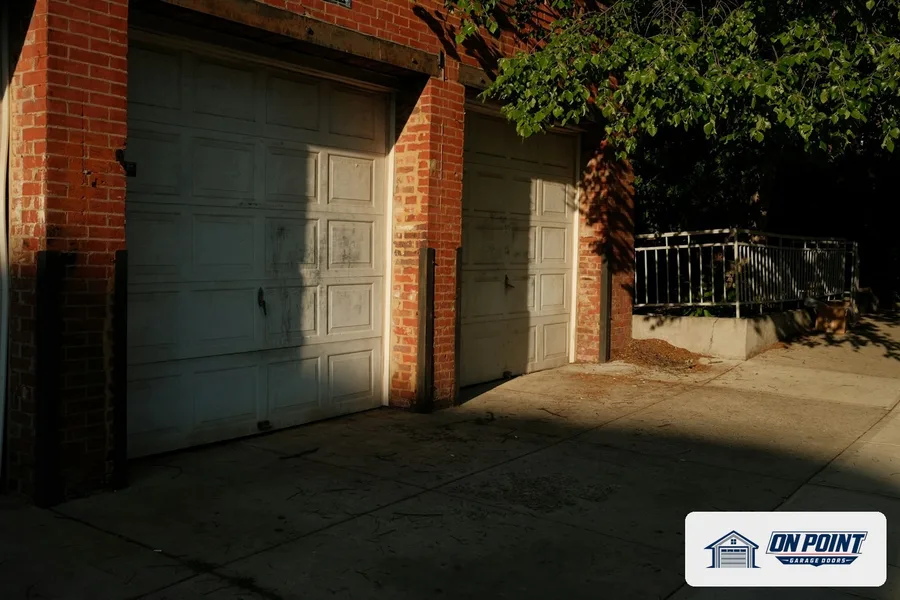
Brick driveway at one of our jobs, from one of our jobs
Brick driveway at one of our jobs

Why gates need regular care

A gate operator is built to protect itself and people. When the gate gets harder to move, the operator senses the extra effort and stops or reverses. So a little wear on a hinge, a roller or a track shows up first as a gate that acts strange. Left alone, that extra effort wears out the motor, the gearbox and the battery. Catching it early is far easier on the gate and on the operator.

The gate itself

We start with the gate off the operator, moving it by hand. A good gate swings or rolls smoothly and stays where it is left. We look at the hinges, the posts and footings, the frame and welds, the latch and stops, and the ground under the swing path or along the track. On sliding gates we check the wheels or rollers, the track or guide posts and the gate's straightness.

The drive

Safety devices

Every visit includes a test of the photo eyes and sensing edges and of the obstruction reversal. Eyes are cleaned and lined up, edges are checked along their full length and their wiring is inspected. We also look for places where a hand or foot could be caught between the gate and a post or a roller. A gate that no longer stops for an obstruction is taken out of automatic use until it does.

Power and batteries

We check the power feed, fuses and wiring at the operator, and test the backup or solar battery under load. Batteries fade slowly, and the first sign is often a gate that slows down or stops partway in cold weather. Replacing a tired battery on a planned visit is much better than finding out during a power outage.

Controls and access

Remotes, keypads, intercoms, card readers, phone control and the loops in the driveway are all tested. We check that the exit loop opens the gate for cars leaving and that the safety loops keep it from closing on a car. On shared driveways and buildings we can clear old remotes and codes so only current users have access.

The control box

The board lives in a box outdoors. Water, dust, spiders and ants find their way in, and ants in particular like the warmth of a board. We open the box, look for moisture and nests, check the seals and connections, and make sure the box closes properly before we leave.

Moving parts and clean tracks

Hinges, roller bearings and pivot points get the right lubricant, and parts that should stay dry are left dry. Tracks are cleared of gravel and leaves, and the area around photo eyes is trimmed back where plants have grown in. Small things like this keep the operator from fighting the gate every day.

How often

A home driveway gate that runs a few times a day usually does well with a yearly visit. Gates at parking lots, shared driveways and businesses that open all day often need visits more often. Gates near salt air or in exposed, windy spots wear faster. We look at how the gate is used and suggest a schedule that fits, without pushing more visits than it needs.

Seasons

Before winter is a good time to check batteries, heaters in cold climates, the track and the ground the gate rides on. In spring we look at frost damage, posts that moved and plants growing into the gate path. In late summer, storms and wind make it worth checking hinges, stops and arm brackets.

What you get

After the visit you get a plain note of what was checked, what was adjusted and what is starting to wear. Anything that needs parts comes with a written estimate, so it can be done when it suits you and not when the gate gives out.

Questions we get asked

How often should an automatic gate be serviced?

A home gate usually does well with a yearly visit. Busy gates at lots, buildings and businesses often need it more often.

What is checked on a gate maintenance visit?

The gate by hand, hinges or rollers, the drive, limits, safety devices, power and battery, the controls and the control box.

Can you service several gates on one property?

Yes. We can look after every gate on a site in one visit and keep notes on each one.

Do you service gates you did not install?

Yes. We service most swing and slide operators no matter who put them in.

Is the estimate free?

Yes. We look at the gate and how it is used before suggesting a schedule.

Booking takes a minute

Across Brooklyn, Queens and Long Island, tell us what the door is doing and we set a visit that fits your day.

Free estimate, call (929) 429-2429.

Want your gate looked over before it quits? Tell us about it

Tell us what the door is doing and we will give you an honest arrival time. The estimate is free.

Easier to explain by phone? Call (929) 429-2429.

Two minutes to a free estimate

Tell us what the door is doing. The estimate is free either way.

Or just call (929) 429-2429 and talk it through.

The other six things that go wrong