Takes 30 seconds. We call you back to set a time.
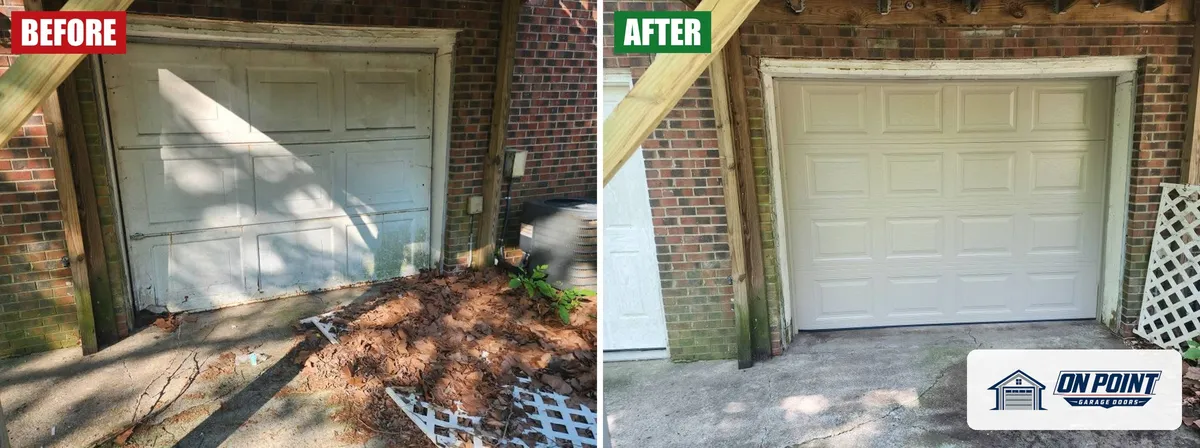
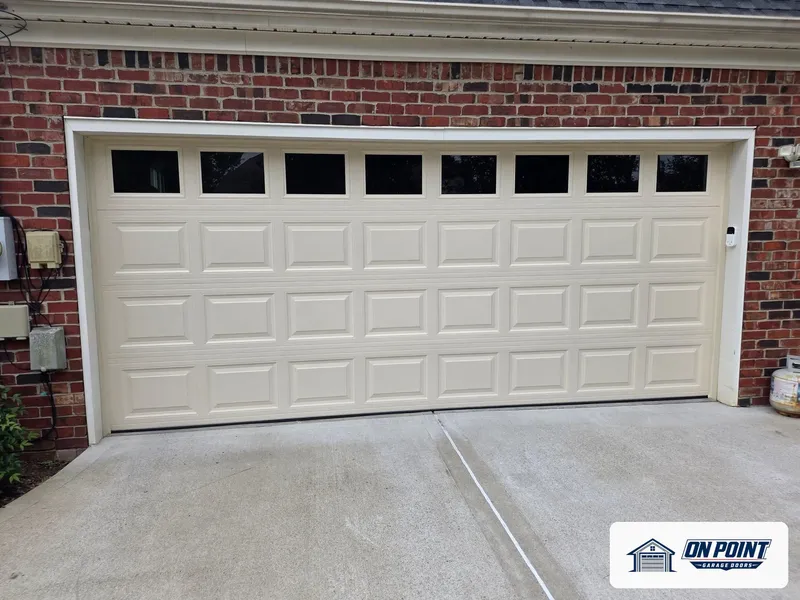
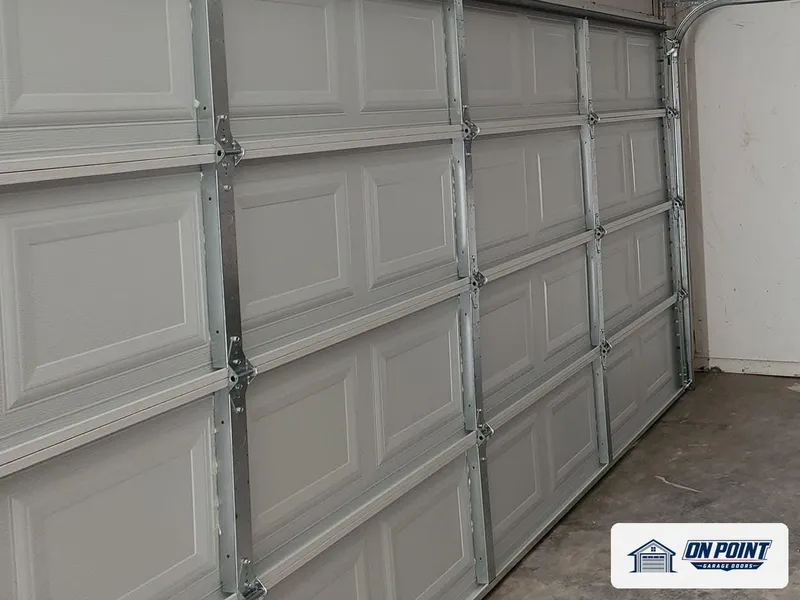
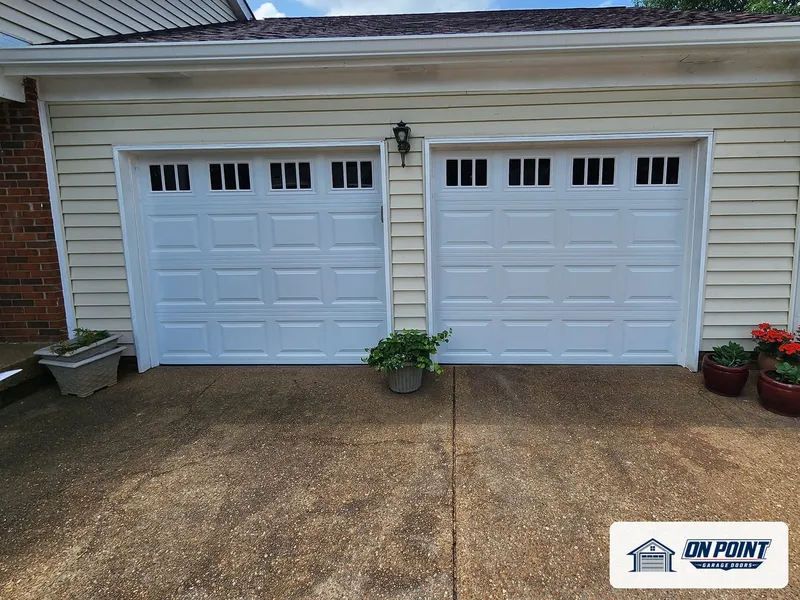
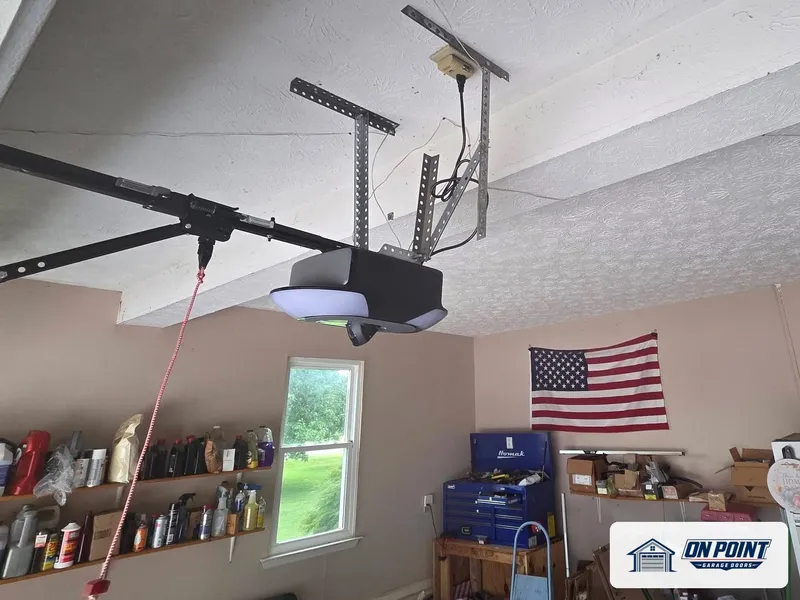
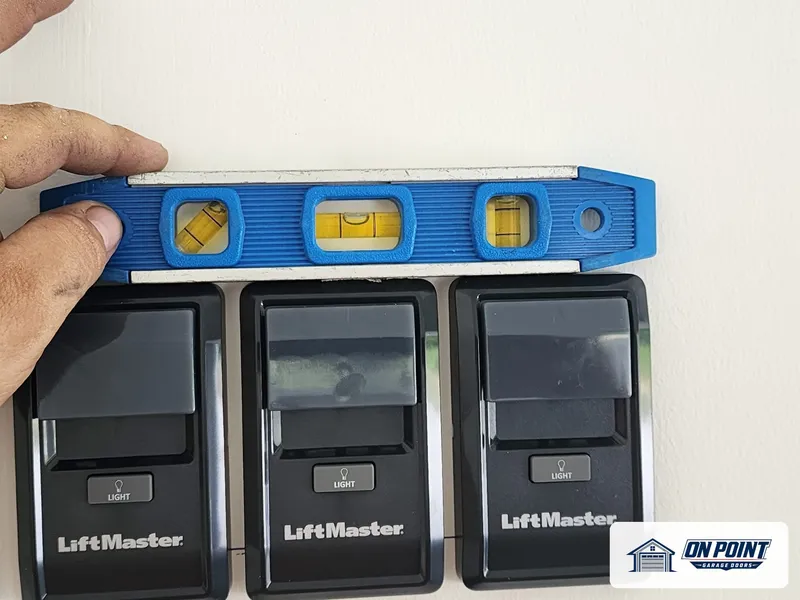
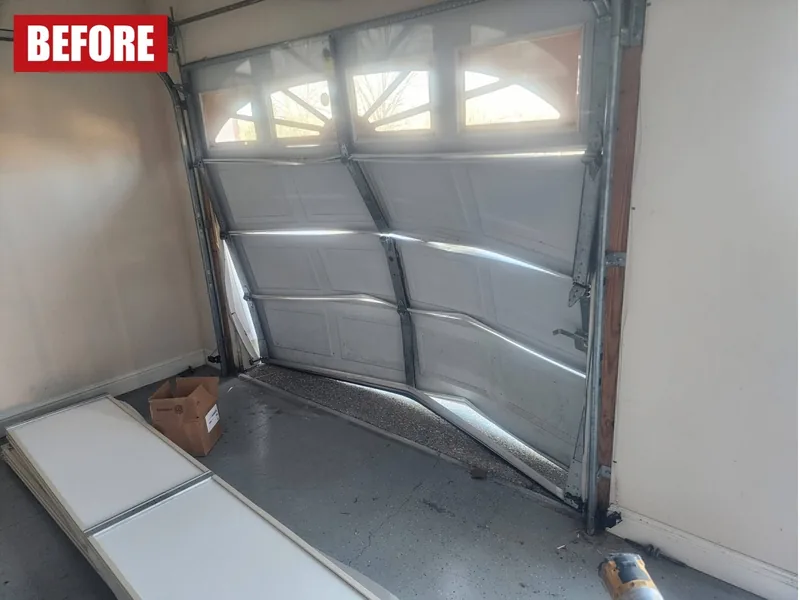
These photos are from our own jobs, with our logo on them.


Our tune-up service covers the complete garage door system - springs, cables, rollers, hinges, tracks, and opener.
A tune-up covers the whole door, not just the opener: springs, cables, rollers, hinges, tracks and the motor. We lubricate the moving parts, check the spring tension and the balance of the door, tighten the hardware, test the safety reverse, and look every part over for wear. When we finish, the door should run quieter and smoother, and you get a plain list of anything that will need attention soon, so you can plan for it.

The same six jobs as everywhere else we work, with the parts for the doors common here already on board.


The springs carry the weight of the door, and the cables connect them to it. We look for rust and gaps in the coils, fraying where the cable meets the bottom bracket, and a door that no longer sits level. A door that has drifted out of balance makes the opener work harder on every single lift. If a spring is near the end of its life we tell you, and you decide when to deal with it: spring replacement.
Worn rollers and loose hinges are behind most of the rattling and grinding people call about. We check each roller for a worn bearing or a cracked wheel, each hinge for play, and the tracks for bends and loose fixings. More on the sounds: noisy garage door.
The opener has to stop and reverse when something is in the way. We test the reverse with the door coming down, check that the photo eyes are lined up and firmly fixed, and check the force and travel settings so the door closes fully without slamming. If the door has been reversing for no clear reason, this is usually where the answer is: door keeps reversing and safety sensors.
The bottom seal and the seals around the frame keep out water, cold air and mice. We check them for cracks and gaps and tell you what is worth replacing.

None of these means the door is about to fail. They mean something is wearing, and wear is much easier to deal with before a part breaks than after.
Once a year suits most houses. Twice a year is worth it for a door that opens many times a day, a shared or commercial garage, or a door close to salt water. A new door or opener should still be checked in its first year, because hardware settles and loosens as it beds in.
A tune-up is also a sensible first step when you move into a house and have no idea when the door was last looked at. You find out what you have, what state it is in and what to expect from it. For a wider view of looking after a door, see garage door maintenance.
Winter is the hard season. Steel springs are at their most brittle in a cold snap, old grease thickens, and an opener that was only just coping in October starts to struggle in January. Most of the broken springs we see come in the cold months: winter problems and doors that won't open in the cold.
Summer brings its own troubles. Wood doors swell in the damp, and low sun shining straight into a photo eye can make a door refuse to close at certain hours.
Near the water, along the south shore of Brooklyn, Queens and Long Island, salt in the air gets onto springs, cables and hinges and rusts them sooner. Doors there are worth a look every year without fail.
That is why autumn and spring are the usual times for a tune-up: before the cold arrives, or just after it has done its work.
We start by asking what you have noticed: a new noise, a slow start, a door that came back up on its own. Then we run the door a few times and watch and listen before touching anything, because a door tells you a lot in its first two cycles.
After that comes the work itself: lubrication, tightening, balance, the safety tests. We go through the parts in the same order every time so nothing gets skipped.
At the end we walk you through what we found, in plain words, with the part in front of you where that helps. If everything is in good shape, that is the whole conversation.
It will not make worn parts new. If the rollers are finished, a spring is at the end of its cycles or a cable is fraying, lubricating them only buys a little quiet. We show you the part, explain what we see and give you a free estimate for the repair. Whether to do it then, later or not at all is your decision.
It also is not a sales visit. Plenty of doors need nothing more than the service itself, and when that is the case we say so.
Some doors ask for more than the standard visit, and it helps to mention them when you book.
Wood doors are heavy and they change with the weather. They swell, they take on water along the bottom edge, and every coat of paint adds weight, so the springs that suited the door when it was new may no longer balance it. That is often the story behind a door that feels heavy.
Older openers are the other case. Openers made before 1993 often have no photo eyes at all, and their only protection is the reverse when the door touches something. We test that and tell you plainly how well it works. If the door is simply too heavy for the motor, we say that too: openers for heavy doors.
Doors that have been bumped by a car, even lightly, often run for months with a bent track or a cracked hinge before anything fails. A tune-up is where that kind of quiet damage turns up.
A tune-up is for a door that works but could work better. If the door will not open, will not close, has come off its track or has a broken spring, that is a repair, and it is better to say so when you call so we come ready for it: broken spring, opener repair, cables and rollers.
If you are not sure which it is, describe what the door is doing and we will tell you. The estimate is free either way.
We service garage doors across Brooklyn, Queens, Nassau County and Suffolk County, on LiftMaster, Genie, Chamberlain, Craftsman, Wayne Dalton, Amarr and Clopay doors and openers, and most other makes.
At least once a year is standard. If the door gets heavy use or is older, twice a year is worth considering.
It can extend spring life and catch early signs of wear, but springs do eventually reach the end of their cycle count. We'll tell you where yours stand.
Around Brooklyn, one call gets you a two-hour slot and a heads-up call before the technician sets off. We don't buy leads and nobody on a phone judges a door they can't see.
Free estimate across Brooklyn, NY and the towns around it.
Describe the fault and we'll give you an honest arrival time. The visit and the estimate is free, anywhere in Brooklyn, Queens and Long Island.
Easier to explain by phone? Call (929) 429-2429.
Tell us what the door is doing. The estimate is free either way.