Takes 30 seconds. We call you back to set a time.
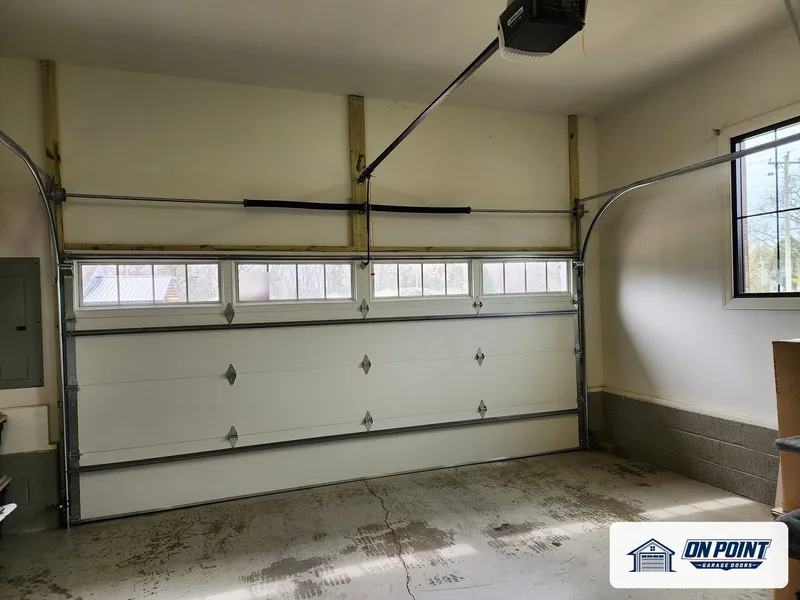
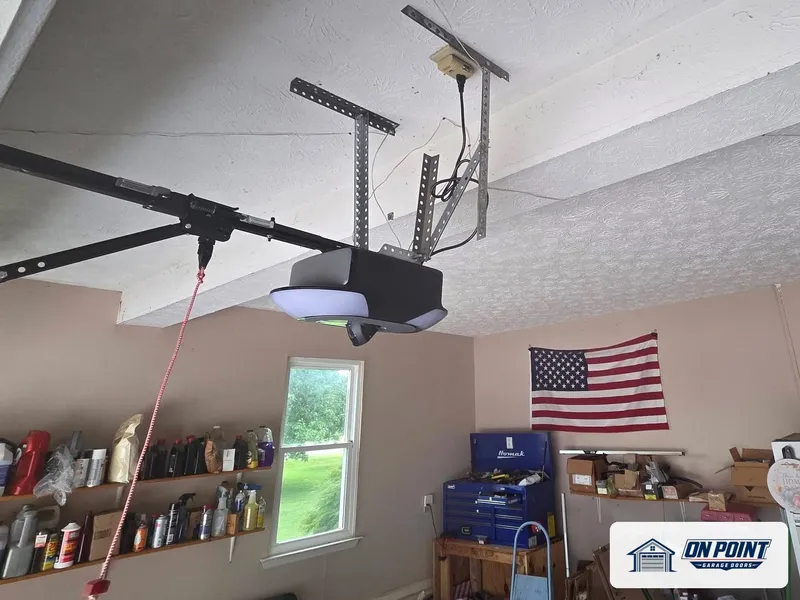
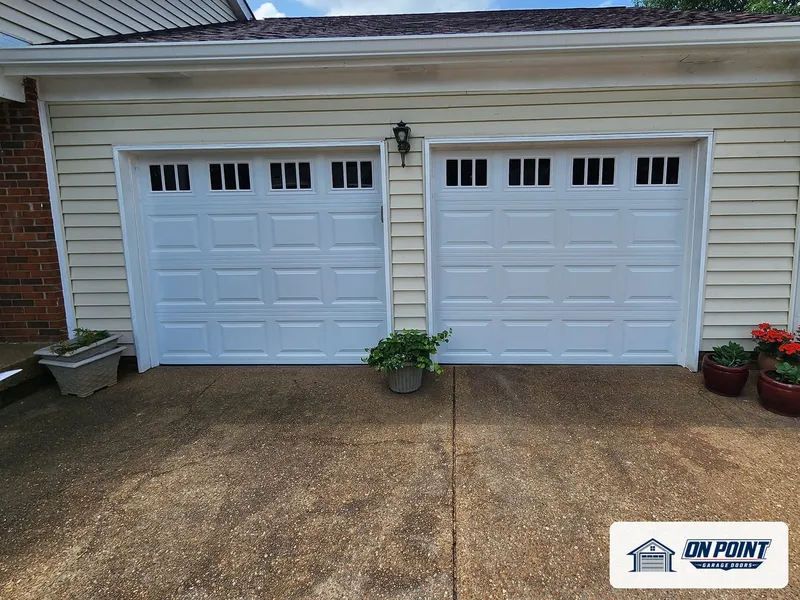
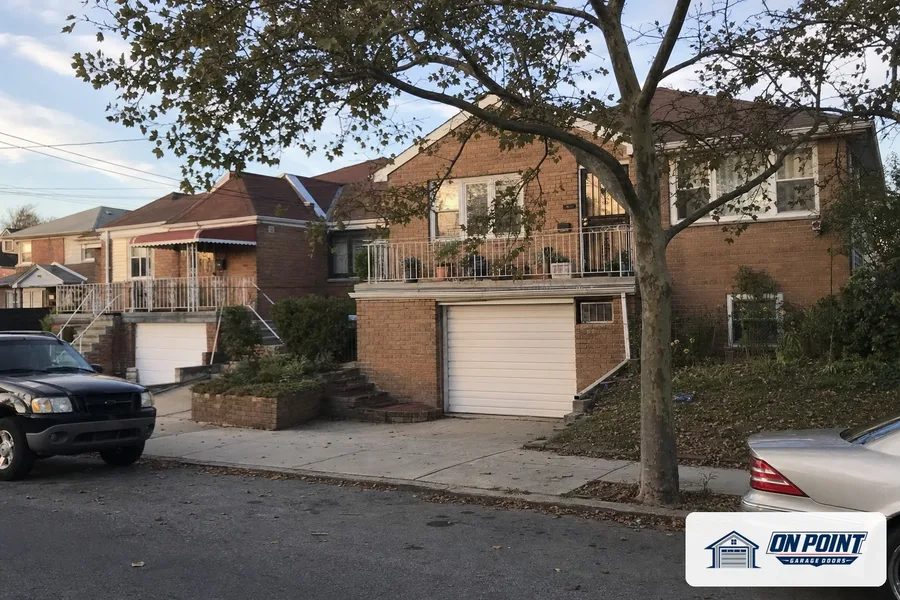
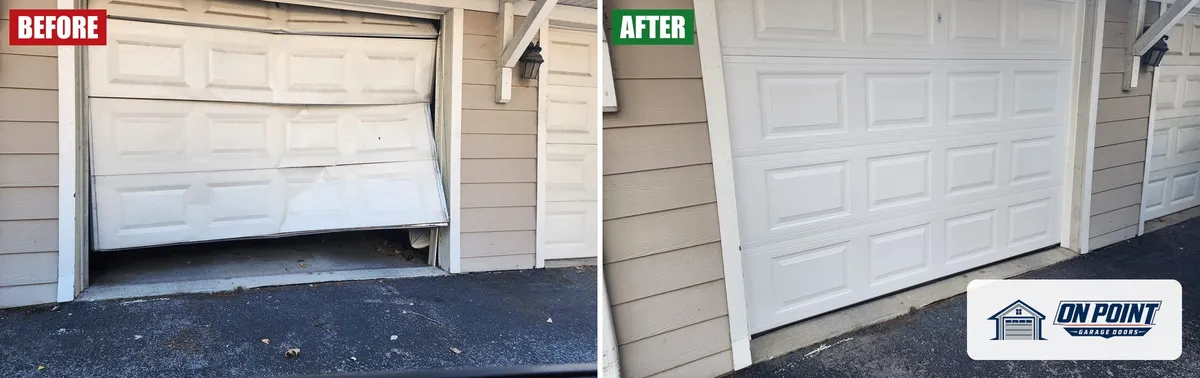
These photos are from our own jobs, with our logo on them.


Garage door repair in Kew Gardens Hills for the brick semi-attached and attached houses with garages under the living floor, the shared back driveways behind the rows, the enlarged family homes and the shops along the main street. Free estimate first.
Most blocks were built in the thirties and forties as brick semi-attached and attached houses, many with a garage at basement level reached from a shared driveway behind the row.
Others face the street with a short sloped drive down to a garage under the front room.
Most brick rows carry plain steel doors, while the enlarged homes lean toward newer insulated panels.
Over the decades many families added floors and rear extensions to fit growing households, so a modest row house may now hold far more than it was built for.
The garage often ends up as storage, a laundry, a playroom or a home office, and its door gets opened for very different reasons.
A large Orthodox Jewish community lives here, with synagogues, schools and kosher shops on nearly every stretch of the main street.
Garden apartments and a big public housing development fill the northern part, while the hilly streets to the south hold the houses.
Expressway traffic spills onto the local streets at the start and end of the day, so the truck plans around it.
On Friday afternoons the main street fills with shoppers, and parking gets tight near the stores.
The main street is lined with bakeries, groceries, bookstores and pizza shops, most behind roll-down gates at night.
The big park with the old fairgrounds lies just to the west across the expressway, and a college campus sits on the northern edge.
The streets climb and dip over low hills, which is why so many garages sit below the house.
Many back driveways are shared by a whole row, so neighbors coordinate when one door is being worked on.

Garage on a shared back drive, sloped drive in front or a shop gate on the main street, the door is checked before any figure is named.
Families adding a floor or a rear extension often ask to have the garage door and opener looked at during the work.
New owners of an older row house often find the door is still on its first springs and rollers.


Garages off a shared back driveway. Doors in a long row, each one passed by every car going in and out behind the houses.
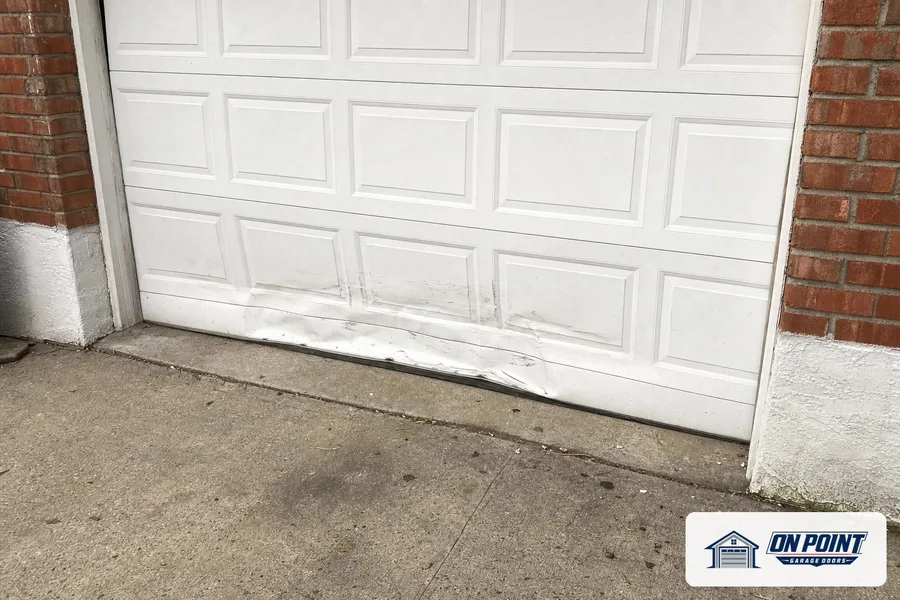
Bent bottom sections and scraped track from passing cars are common, and he checks both sides.
A door that jerks partway up and then stalls is often working against a tired spring.
In big households the springs wear out sooner because the door runs so many times a day.
Sloped front drives. Doors at the bottom of a short ramp where water and grit run down to the seal.
A thicker seal and coated hardware last longer at the foot of the slope.
Enlarged homes. Garages under new floors of bedrooms, where a loud opener is felt all through the house.
Quiet rollers, firm hangers and a belt drive settle the noise.
A keypad helps when a big family needs to get in through the garage without passing remotes around.
Shops on the main street. Roll-down gates that go up early and come down late, every day of the week.
Springs, slats, locks and motors get looked at together.
An insulated door keeps a garage turned into a playroom or an office warmer in winter.
Where bedrooms sit over the garage, an insulated door also cuts the noise from the back drive.
If a door in the back row has dropped off its rollers, keep the cars clear and call.
Cars turning into the narrow back drive scrape the track and bend the end hinges of the first doors in the row.
Strollers and bikes leaned against the inside of the door push the bottom section out of line.
Kew Gardens Hills is on our central Queens route, between the expressways, and our crews also cover Brooklyn and Long Island.
Whatever you share about the back drive, the room over the garage or the shop gate goes to the technician.
A gate stuck open at night, or a car locked in a back-row garage, is moved up the list.
If a store gate on the main street will not come down at night, tell us when you call.
Winter. Snow and ice collect in the shared back driveways, where no plow reaches, and seals freeze to the slab.
Grit and salt carried down the ramps wear the seal and rust the bottom brackets.
Spring. Rain runs down the hilly streets and the short ramps into garages set below grade.
Summer. Bikes, strollers and scooters crowd the garage, and the door runs from morning to evening.
Fall. Leaves gather in the low corners of the back drives and blow under the doors.
He looks at the drive and the opening, runs the door on the opener, then unhooks it to feel how much the springs hold.
For a garage below grade he checks the slab at the door for low spots where water sits before choosing the seal.
Every worn roller, cable or hinge is shown to you and put on a free estimate.
Springs are sized for the door as it hangs now, including any insulation added when the room above was redone.
In garages below grade he checks the bottom section and the brackets for rust from standing water first.
He lowers the door onto a small block of wood to show it stops and reverses.
Broken springs and old cables ride away with him.
Last, you run the door from the wall button while he watches it rise and seat on the floor.
Tell us whether the garage is reached from the street or from the back drive, and he will come in the right way.
He calls when he is a few blocks away.
Nothing is changed until you have the estimate in hand and say yes.
If an old door off the back drive just needs springs and a tune-up, the estimate stops there.
Shared back drives, garages below grade and homes that grew bigger than their doors make up most repairs here.
A broken spring leaves the door too heavy to lift safely; keep it shut and call.
Longer-life springs suit a big household that uses the garage as the side door.
Cables rusted near the slab of a garage below grade are changed together.
The drums and the end bearings are checked on the same visit.
Photo eyes are bolted firm and aimed clear of the strollers, scooters and bins by the door.
Track scraped by cars in the back drive is straightened or replaced.
Brackets in old brick or block are set into new anchors.
The opener is tested on its own first, so only the part that failed gets changed.
Battery backup keeps the door working when the power drops on a stormy night.
Tell us whether the garage is in front, off the shared back drive or now used as a room.
The estimate is free.
Yes. Many garages here are reached only from the back drive, so tell us that when you book and the technician comes in from the right side. If cars block the drive, a word to the neighbors before the visit helps.
Noise from the garage travels up through the new rooms. Nylon rollers, firm ceiling hangers, rubber pads on the opener mount and a belt drive opener usually quiet it the most. He listens to the door first to find where the noise really starts.
Standing water rusts the bottom brackets and cables and soaks the bottom section over time. A better bottom seal keeps most of it out, and he checks those parts first on any garage set below grade.
Yes, even if it rarely opens. Springs that sit for long stretches can still break, and a door that is opened only now and then may bind. An insulated door also keeps a room in the garage warmer and quieter.
Tell us the gate is stuck when you call, and it goes ahead of routine work. Gates that stick halfway usually have worn spring tension, bent slats or a bad guide, and the motor is checked as well if there is one.
Tell us what the door off the back drive or the street is doing, pick a slot, and the estimate is free.
Call us at (929) 429-2429.
Tell us how the door is acting, and a free written estimate follows.