Takes 30 seconds. We call you back to set a time.
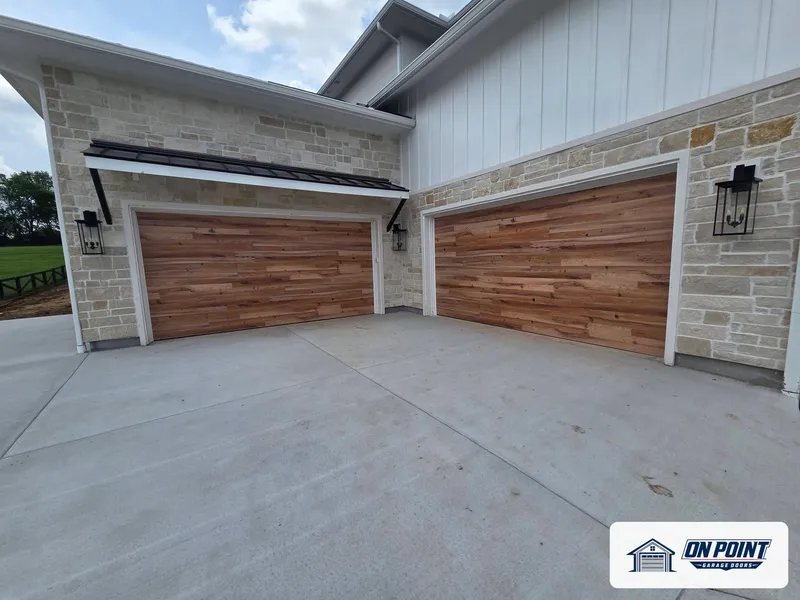
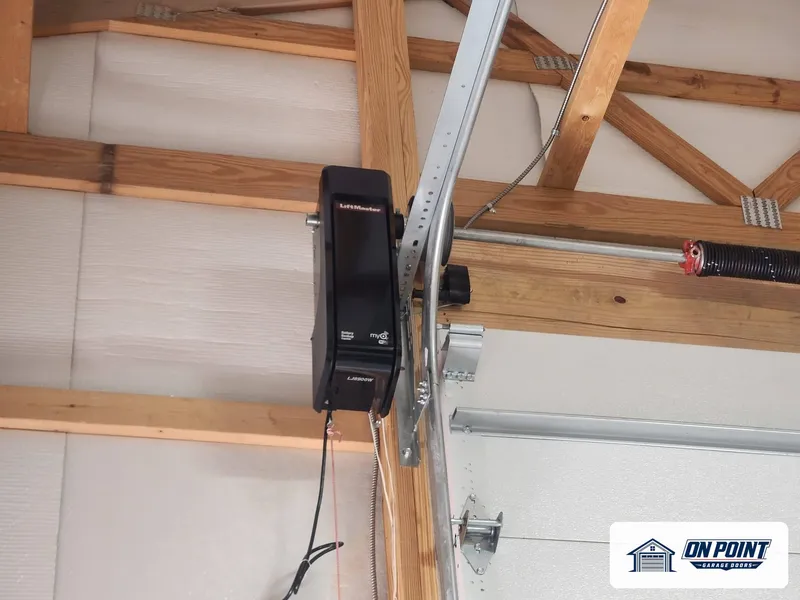
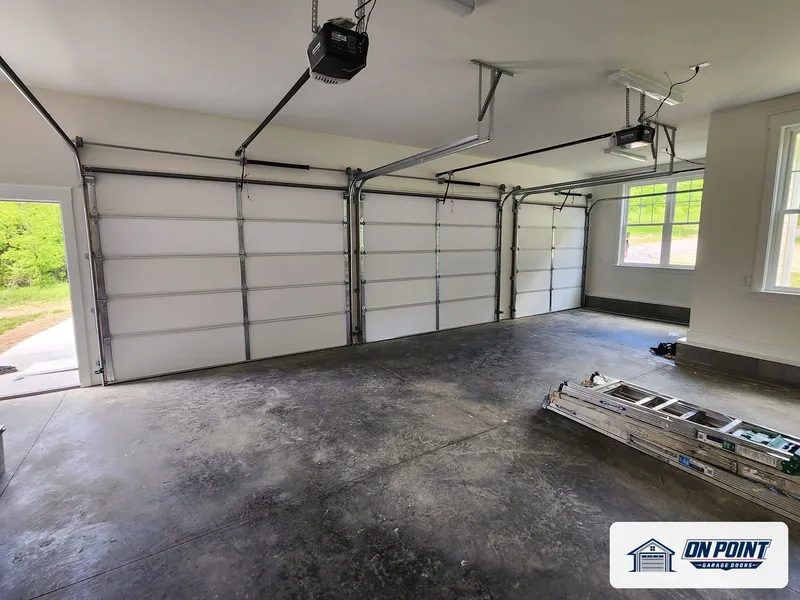
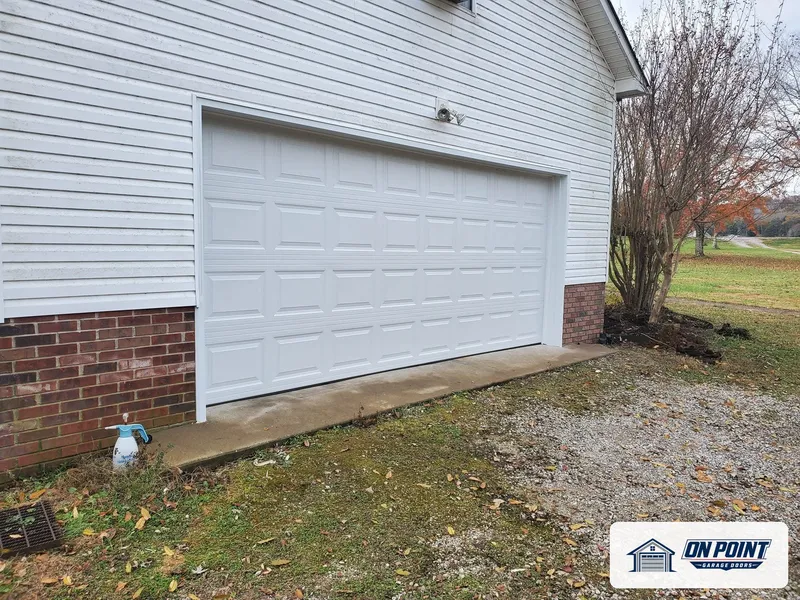
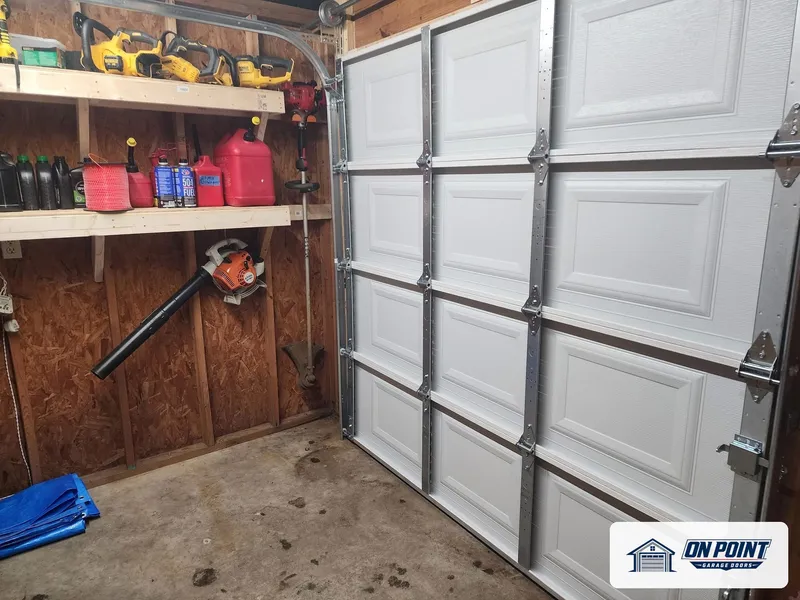
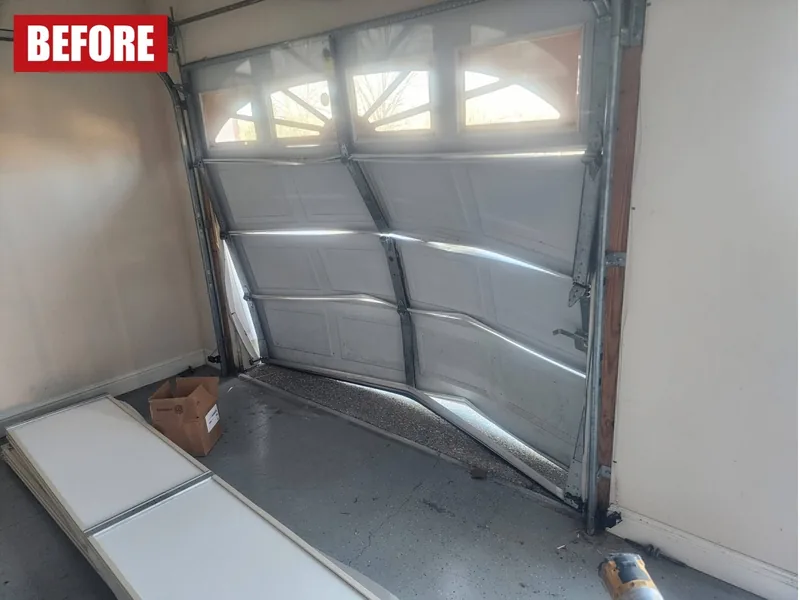
These photos are from our own jobs, with our logo on them.


Garage door repair in Maspeth for the attached and detached homes with garages, and the warehouses, truck bays and workshops of the industrial area along the creek. Free estimate first.
Residential streets of attached and semi-detached houses sit right beside one of the city's busiest industrial zones. Homes often have a garage at the front or rear, while warehouses down the road run big commercial doors all day.
That mix means a technician here works on everything from a single house door to a loading-dock door.
Families here often share a single front garage between two households, and the door is in use from early morning on.
Two sets of remotes, two cars and kids coming home from school put more trips on that door than most garages ever see.
Warehouse and truck-bay doors take constant traffic and get hit by trucks and forklifts. Bent tracks, damaged bottom sections and broken cables are common, and a stuck dock door stops deliveries.
Dock doors are treated as urgent.
Heavy truck traffic off the expressway shakes and dirties everything along the industrial streets, wearing out rollers and operators faster.
Hinges and track brackets work their way out of the framing under that steady rumble, so every fastener gets a look.
Damp air drifting up from the creek works on the lowest section of house doors and on the bottom of each track, and road salt from the truck routes makes it worse.
Dust from the trucks also clogs opener sensors and rollers, so they are inspected on every commercial visit.
House garages are often tight, with low ceilings, a steep drop from the sidewalk and shared driveways.
A garage set into the front of an attached house may have a boiler or a laundry corner right beside the track, so the work is planned around them.
Where a standard opener will not fit, a wall-mounted unit can be the answer.
Loading areas often have several doors side by side; when one fails, the others are worth a look on the same visit.

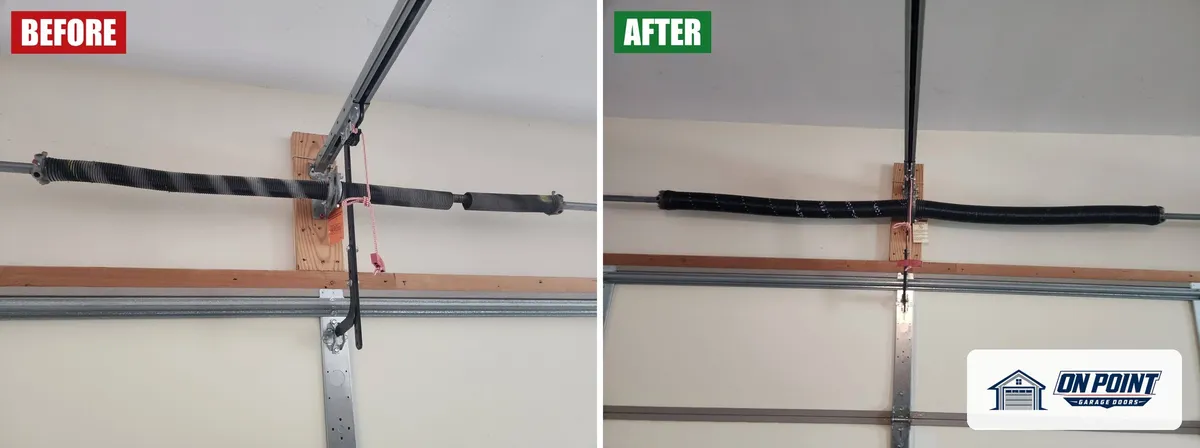
The house on the side street and the warehouse by the creek get the same rule: look the whole door over first, then write the estimate.
At a business that look also takes in the operator, the dock seal and the bumpers, because one bad part can stop a whole bay.


House garages. Many attached homes have a garage in the front of the house at the foot of a short, steep driveway, and those doors mostly come to us with a snapped spring, a frayed cable or an opener that stops halfway.
When the door suddenly feels like dead weight, the spring is tested before anyone opens the opener cover.
Truck-bay and dock doors. Wide sectional doors with heavy springs and long cables; damaged sections and tracks are replaced.
Many of the bays here were built long ago for smaller trucks, and doors that are struck often get a tougher bottom section and stronger track.
Weather seals that let in wind and water are renewed.
Roll-up doors. Doors that are hard to lift or stop partway usually have a tired drum spring or bent slats.
High-cycle springs are offered for roll-up and dock doors that open dozens of times a day and keep wearing through standard springs.
Operators. Commercial operators get their limits and safety devices checked as well as the motor.
A trolley operator, a jackshaft unit on the wall and a hoist with a hand chain each fail in their own way, so he works out which one is on the door before guessing.
Dock seals and bumpers take a beating from trailers, and worn ones are pointed out during the visit.
A dock door clipped by a trailer or a forklift mast should stay where it stopped; running it on a bent track can pull the whole door out of its guides.
Our trucks are on the expressway service roads and the side streets here often, and the same crews cover the rest of Queens, Brooklyn and Long Island.
Your description from the phone goes with the technician.
A dock door stuck open at the end of a shift, or a car shut into a front garage on a weekday morning, moves ahead of routine visits.
Winter. Cold is hard on the heavy springs of wide commercial doors and on old house springs alike.
Winter also brings road salt off the truck routes, which eats at the lowest door sections and track bolts.
Spring. Damp air leaves rust at the bottom of doors, and it is worth a look after the winter.
Puddles that gather at the foot of steep front driveways sit against the bottom seal for days after each rain.
Spring is also when potholes on the truck routes get worse, and trailers backing into docks hit door bottoms harder.
Summer. Heat and dust wear rollers and dry out seals on busy doors.
Fall. Before the cold, have springs, cables and operators checked so a busy season runs smoothly.
Fall is a good time to schedule commercial door checks before the year-end shipping rush.
The technician identifies the door and operator, watches it run, then checks springs, cables, tracks and motor.
You hear the findings in plain terms and get a free estimate item by item.
Springs, cables and rollers are matched to the door in front of him; a part that has to be ordered for a wide commercial door is explained before anything comes off.
Openers and operators are tested for a safe stop and reverse before he leaves.
On a house door beside a busy sidewalk that test is not skipped, because people walk past the opening all day.
Old parts are removed and the bay or driveway is left clear.
For businesses, the visit is planned so the door is out of service as little as possible.
For homes, a call comes before arrival.
What gets done is your choice.
From house doors to dock doors, a few parts carry the load, and heavy use wears them fast.
Springs carry the weight on every door; a broken one means the door stays put.
Cables on commercial doors are long and heavy; they are checked end to end and replaced in pairs.
On house doors the cables rust first at the bottom corners, where slush from the street runs down the driveway.
Safety sensors and photo eyes on commercial operators are tested along with house-door sensors.
Tracks pushed in by trucks and forklifts are the damage seen most often at the bays, and the door is kept still until the track is straight again.
Operators that stop short or overrun are diagnosed; if one is finished, options are explained.
Tell us whether it is the garage in front of the house or a door at a bay, how wide it is, and what it did the last time it ran.
Estimates are free for the house on the side street and the warehouse by the creek alike.
Springs are rated by how many trips they can make, and a door used by two households from early morning on wears through a standard pair fast. Longer-life springs are a bigger part but last far longer on a door this busy, and he can tell from the old ones how hard they were worked.
Over the years, it can. Steady vibration from heavy trucks works bolts, hinge screws and track brackets out of the wood, and a door that rattled for a long time starts to bind or sag. He goes over every fastener, sets wandering brackets into solid framing and replaces hinges whose holes have worn oval.
Yes. Doors that went in together tend to wear out together, so a visit can cover every dock door, with its springs, cables, rollers, seals and operator, and the findings for each door listed separately. Work is planned around deliveries so only one door is out of use at a time.
The photo eyes and the reverse on the opener have to work every time on a door that closes next to people walking by. He tests both, sets the force so the door stops on light contact, and can add a keypad or a phone alert so you know the door shut behind the car.
Fine grit settles in the track and on the rollers and makes them grind, and dust on the photo eye lenses can make the door reverse for no clear reason. Sealed rollers hold up much better in that dust, and a look at the eyes and the track is part of every visit on these blocks.
Say what the door is doing and pick a visit that keeps the bay or the driveway clear; the estimate is free.
Want to explain it on the phone? Call (929) 429-2429.
Tell us how the door behaves and where it hangs; the estimate is free, yes or no.